Ever wondered how a simple piece of fabric transforms into a stunning dress or a cozy quilt? That’s the magic of sewing! Whether you’re stitching by hand or using a machine, sewing is the art of joining fabric pieces together using thread and needle. It’s a skill that dates back thousands of years and continues to be a beloved hobby and profession for many.
You don’t need to be an expert to start sewing. With just a few basic tools and a bit of creativity, you can create anything from custom clothing to home décor. Plus, it’s a fantastic way to express yourself and even reduce waste by mending and upcycling old garments. So, why not give it a try and see where your imagination takes you?
Understanding Sewing
Sewing is more than a craft; it’s a skill that brings fabric to life in the form of clothing, home décor, and more. By learning sewing, you can create and customize various projects.
The Basics of Sewing
Sewing begins with understanding essential tools and materials. You’ll need basic items like needles, thread, fabric, and a measuring tape. Different needles suit various fabric types, and thread comes in cotton, polyester, and silk varieties.
Start by learning common stitches. The running stitch, backstitch, and whipstitch form the foundation for many projects. Practice threading your needle and tying knots to secure your stitches. Familiarize yourself with the fabric grain, as sewing with the grain ensures your project maintains its shape.
Different Types of Sewing
Sewing encompasses hand and machine techniques.
Hand Sewing: This involves creating stitches manually. It’s ideal for intricate embroidery, delicate lacework, and small mending tasks. Hand sewing allows for meticulous control, perfect for detailed projects.
Machine Sewing: This uses a sewing machine to speed up the process. Machines handle durable tasks like quilting, garment construction, and heavy-duty materials. They offer various stitch patterns and adjustable settings to suit different projects.
Sewing types also include garment sewing, quilting, and embroidery, each requiring specific skills and knowledge. Garment sewing focuses on clothing, often using patterns for precision. Quilting involves piecing fabric patches into designs, while embroidery decorates fabric with detailed patterns.
Understanding these basics and types equips you with a solid foundation for all your sewing projects.
Tools and Equipment in Sewing
Understanding the tools and equipment in sewing improves your projects and skills. You’ll find essential tools and advanced equipment contribute to a seamless sewing experience.
Essential Sewing Tools
Essential sewing tools form the backbone of any sewing kit. Each tool serves a specific purpose:
- Needles: Essential for both hand and machine sewing. Hand needles come in various sizes for different fabrics, while machine needles are designed based on the fabric type and sewing method.
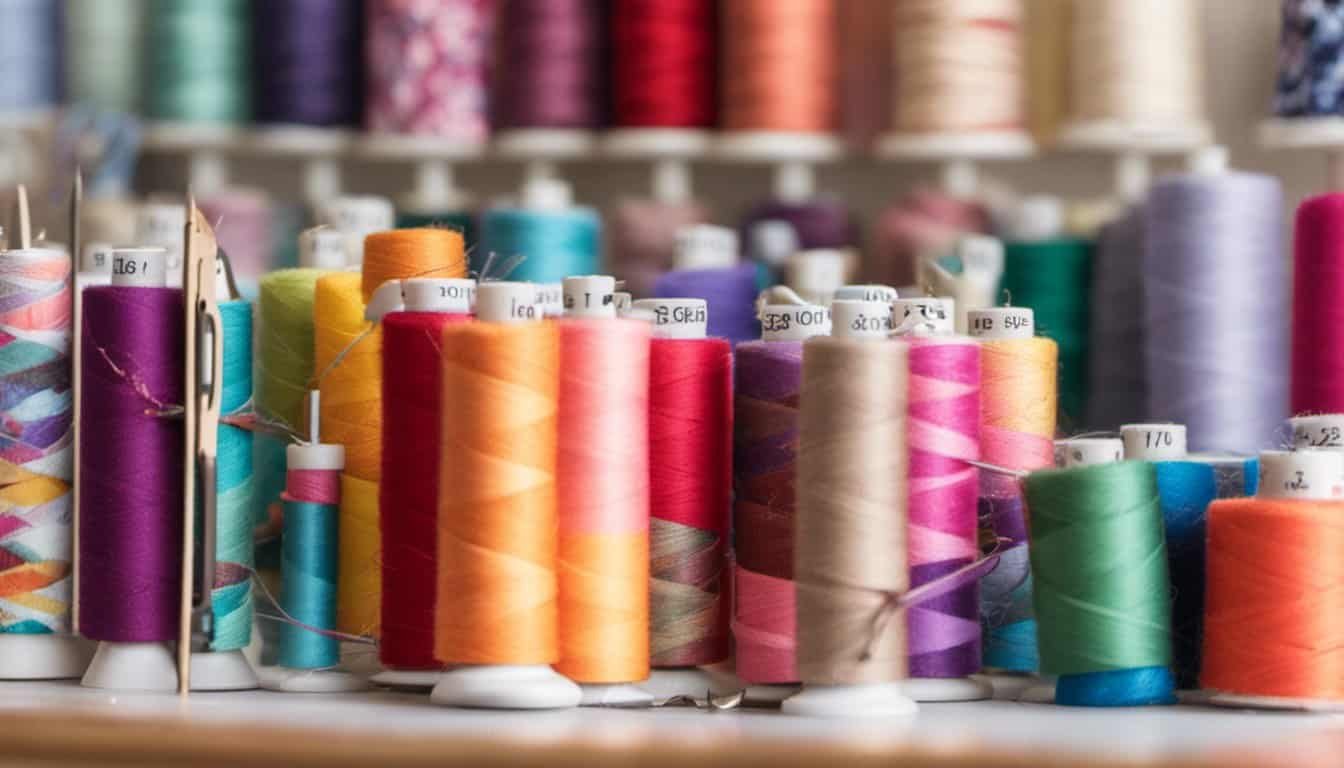
- Threads: Choose high-quality thread to avoid frequent breaks. Options include cotton, polyester, and silk, each catering to different fabric types.
- Scissors: Invest in fabric scissors for clean cuts. Have small embroidery scissors for snipping threads and trimming small fabric areas.
- Measuring Tape: Ensure accurate measurements of fabric pieces. It’s flexible, allowing easy measurement of curves and seams.
- Pins and Pin Cushion: Secure fabric pieces before sewing. Straight pins are commonly used for fabric alignment, while the pin cushion allows convenient storage.
- Seam Ripper: Quickly removes stitches if needed. It’s precise, minimizing fabric damage during stitch removal.
Advanced Sewing Equipment
For more complex projects, advanced sewing equipment can be indispensable:
- Sewing Machine: Speeds up larger projects. Electronic and computerized models offer various stitch patterns and adjustments.
- Serger: Specializes in overlocking edges, providing professional finishes. It’s used for seam finishing and trimming in one step, ideal for stretchy fabrics.
- Iron and Ironing Board: Presses fabric for sharp seams and alterations. Ironing before, during, and after sewing enhances the final appearance.
- Dress Form: A mannequin used to fit and adjust garments. It’s valuable for tailoring clothing to specific body measurements.
- Cutting Mat and Rotary Cutter: Provides precise fabric cuts. The rotary cutter, used with a cutting mat, ensures clean edges especially on quilting projects.
- Embroidery Machine: Allows for intricate decorative stitching. Perfect for custom designs on garments, home décor, and personalized gifts.
These tools and equipment, whether basic or advanced, support excellent results in your sewing endeavors.
The Process of Sewing
Sewing involves several essential steps to create a finished product, whether you’re making clothing, quilts, or home decor items.
Preparing to Sew
Proper preparation ensures a smooth sewing process. Gather needed materials like fabric, thread, needles, and patterns. Select appropriate fabrics based on your project. Pre-wash fabrics to prevent shrinkage. Iron fabric to remove wrinkles. Cut fabric according to the pattern.
- Measuring and Cutting:
Measure fabric accurately using a measuring tape. Use fabric scissors or a rotary cutter to cut out pattern pieces. - Pinning and Basting:
Pin fabric pieces together with straight pins, aligning edges and seams. Temporarily hold pieces together using basting stitches, which are long, loose stitches to be removed later. - Sewing Seams:
Sew seams using a sewing machine or by hand. Follow seam allowances indicated in patterns, typically 1/4″ to 5/8″. Reinforce seams with backstitching. - Pressing Seams:
Press seams open or to one side using an iron. This flattens seams, ensuring a professional finish. - Finishing Edges:
Finish raw edges to prevent fraying. Use sergers, pinking shears, or zigzag stitches. - Hemming:
Fold fabric edges, then sew to create hems. Ensure even hems by measuring and pinning before stitching. - Attaching Fasteners:
Sew on fasteners like buttons, zippers, or snaps. Follow instructions for attachment to ensure functionality.
By following these steps, you’ll create polished and durable sewing projects.
Applications of Sewing
Sewing finds its use in many practical and creative fields.
Fashion and Apparel
You can significantly impact the fashion industry through sewing. It involves creating custom-fit clothing, altering garments for a better fit, and making unique fashion statements. Designers craft intricate patterns, while everyday users may hem pants, repair torn fabric, or sew on buttons. Whether making a haute couture dress or a simple T-shirt, sewing is pivotal in fashion creation.
Home Décor and Furnishings
« Discover the Secret to Sewing Perfect Garments: What ‘With Nap’ Really Means
Unlock the Secrets of Sewing: Master DIY Projects with These Expert Tips »
Sewing is essential for home décor projects. You can create curtains, cushion covers, table linens, and even upholstered furniture pieces. Customizing home textiles allows for personalized spaces that reflect individual tastes. Sewing can transform home environments, bringing color, texture, and personal style into living spaces. From hemming drapes to crafting decorative pillows, sewing enriches home aesthetics.
Conclusion
Sewing opens up a world of creativity and practicality. Whether you’re crafting a custom garment or adding a personal touch to your home décor, the skills you gain are invaluable. With the right tools and techniques, you can bring your unique ideas to life and enjoy the satisfaction of creating something with your own hands. So grab your needles and threads, and let your sewing journey begin!