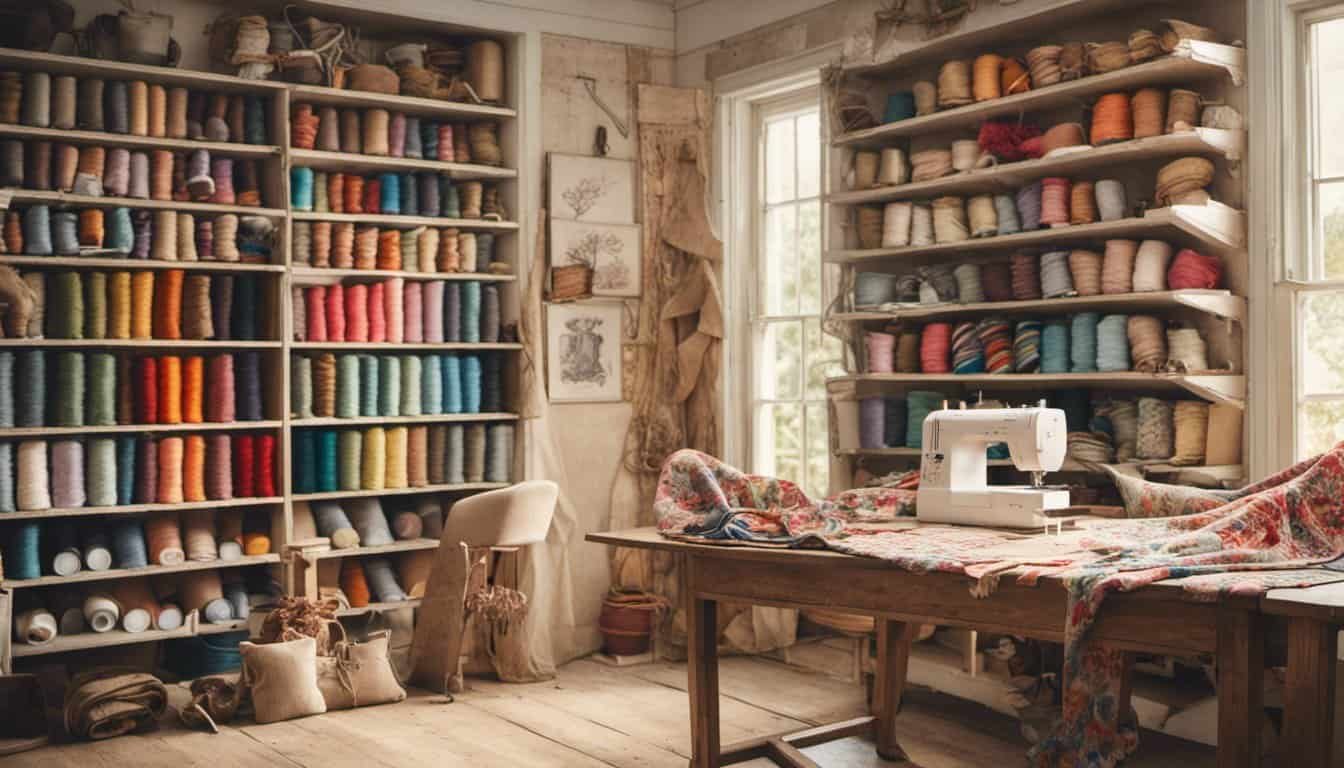
Ever wished you could create your own clothes or add a personal touch to your home decor? Sewing’s not just a useful skill; it’s a fun and rewarding hobby that lets you bring your creative ideas to life. Whether you’re mending a tear or crafting a custom outfit from scratch, sewing opens up a world of possibilities.
Understanding the Basics of Sewing
Mastering the basics of sewing sets the foundation for all your creative projects. Start with understanding materials and essential tools.
Choosing the Right Materials
Selecting appropriate fabric and thread is crucial. Different projects require different materials. For clothing, cotton and linen work well; for upholstery, heavier fabrics like canvas or denim are optimal. Match your thread type to your fabric. Use polyester thread for stretchy fabrics and cotton thread for non-stretch fabrics. Choosing the right needles is vital too. Needles come in sizes 60 to 110, fitting various fabric thicknesses. For instance, use a size 70 needle for lightweight fabrics like silk, and a size 90 needle for medium-weight fabrics like cotton.
Essential Sewing Tools for Beginners
Equip yourself with the right tools to make your sewing journey smoother. Basic tools include:
- Sewing Machine: Essential for most projects. Opt for a beginner-friendly machine with adjustable stitch settings.
- Fabric Scissors: Sharp scissors make clean cuts. Reserve these for fabric only.
- Measuring Tape: Accurate measurements are key to precise sewing.
- Pins and Pincushion: Hold fabric pieces together securely.
- Seam Ripper: Correct your mistakes easily with this tool.
- Iron and Ironing Board: Press seams for a professional finish.
By choosing the right materials and equipping yourself with essential tools, you’re ready to embark on your sewing journey.
How to Prepare for Sewing
Proper preparation is key to a successful sewing project. Understanding patterns and creating a comfortable workspace can make all the difference.
Reading Patterns and Templates
Reading patterns and templates is essential to executing your sewing project correctly. Patterns provide guidelines for cutting fabric pieces, indicating seam allowances, and suggesting the best construction methods.
- Identify Symbols and Terms: Familiarize yourself with common symbols like notches, darts, and grainlines, as well as terminology like “cut on fold” and “bias.” Most patterns include a glossary for reference.
- Understand Size Charts: Match your measurements to the size chart provided. Use a measuring tape to take accurate body measurements.
- Study Instruction Sheets: Each pattern includes detailed instructions. Review these step-by-step guides thoroughly before starting.
Setting Up Your Sewing Space
Creating an efficient sewing space ensures a smoother workflow and enhances creativity.
- Choose a Well-Lit Area: Good lighting minimizes eye strain and helps you see small details clearly. Natural light is ideal, but adjustable lamps work well too.
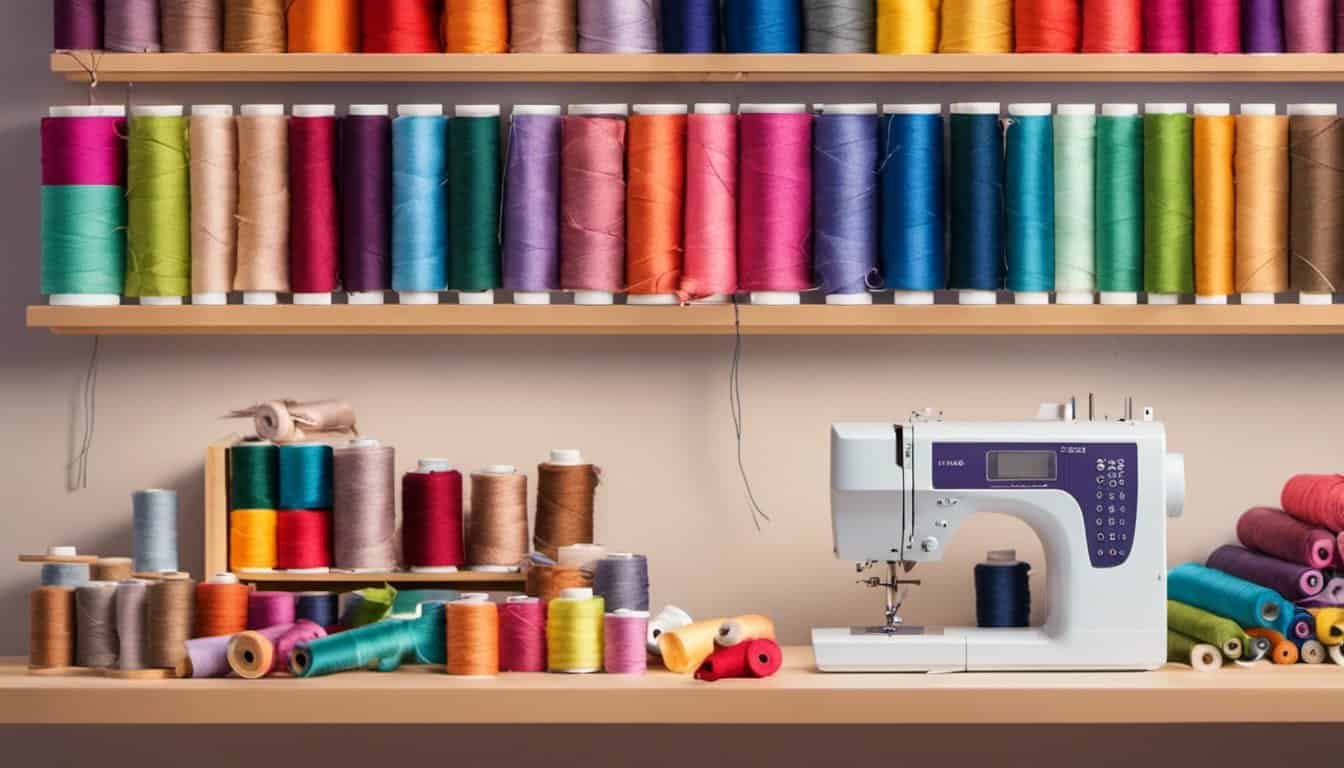
- Organize Tools and Materials: Keep essential tools like scissors, pins, and measuring tape within easy reach. Consider using pegboards or containers for organization.
- Arrange Your Sewing Machine: Position your sewing machine on a sturdy surface at a comfortable height. The machine should be easily accessible.
Following these steps will set a solid foundation for your sewing endeavors.
Step-by-Step Guide to Basic Sewing Techniques
Basic sewing techniques are essential for both beginners and experienced sewists. With these techniques, you can create, alter, and repair various garments and textiles.
Stitching by Hand
Hand stitching offers precision and control, which is useful for detailed work or small repairs.
- Thread the Needle: Cut a length of thread, approximately 18 inches long, to prevent tangling. Pass the thread through the needle eye and knot the end.
- Running Stitch: Use this basic stitch for seams and gathers. Push the needle in and out of the fabric at even intervals, creating a dashed line effect.
- Backstitch: Employ this stitch for durable seams. Insert the needle from the back side, then push it through a few stitches back. Pull through and repeat, overlapping each stitch.
- Whip Stitch: Ideal for hems and edges. Insert the needle from the back, pull through, and bring it over the fabric edge to stitch from back to front at an angle.
Using a Sewing Machine
A sewing machine increases efficiency, allowing you to complete larger projects quickly.
- Threading the Machine: Follow the machine’s manual to thread the upper thread and bobbin. Ensure the thread passes through the tension disks and needle eye correctly.
- Selecting the Stitch: Choose the appropriate stitch type based on your fabric and project. Common options include straight, zigzag, and overlock stitches.
- Practicing with Scrap Fabric: Use scrap pieces of the same material to practice your chosen stitch. Check tension and stitch length for accuracy.
- Sewing the Fabric: Align the fabric edge with the machine’s guide, lower the presser foot, and gently press the pedal. Maintain consistent speed to achieve even stitches.
Feel confident in your sewing projects by perfecting both hand and machine stitching techniques.
Advanced Sewing Skills
With foundational techniques in place, advancing your sewing skills can open up more creative and practical projects.
Adding Zippers and Buttons
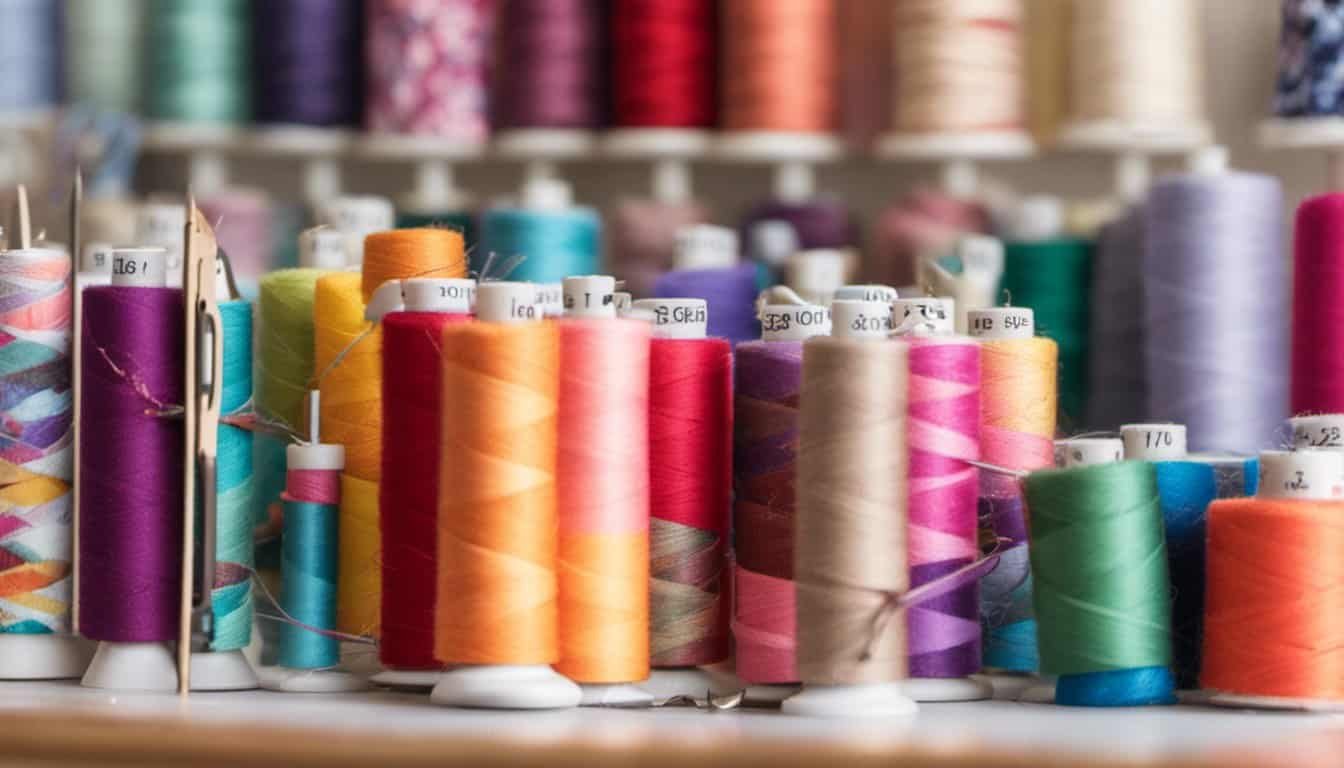
Adding zippers and buttons enhances the functionality and aesthetics of garments. Use a zipper foot to install zippers, ensuring even stitching along the fabric edge. For buttons, mark their placement accurately, then use a buttonhole foot to create neat buttonholes. Attach buttons securely with a shank if they’re thick to provide flexibility.
Working With Different Fabrics
Understanding fabric types improves sewing results. For delicate fabrics like silk, use fine needles and silk thread. Cotton and linen benefit from medium-weight needles and polyester thread. Stretch fabrics like jersey need ballpoint needles to prevent snagging. Always test on scraps to adjust tension and stitch length.
Tips for Maintaining Your Sewing Equipment
Clean Your Sewing Machine Regularly
Dust and lint accumulate in the bobbin area and under the needle plate during sewing. Use a small brush or compressed air to clean these areas after every project. Regular cleaning ensures smooth operation and extends your machine’s life.
Oil Your Sewing Machine
Sewing machines need lubrication, especially in moving parts. Consult your machine’s manual for oiling points and frequency. Use sewing machine oil only, and apply a drop to designated spots. Proper oiling reduces wear and tear.
Replace Needles Frequently
Needles become dull or bent over time, affecting stitch quality. Change needles after every significant project or eight hours of sewing. For example, denim and leather require sharp needles to maintain precise stitches.
Store Your Equipment Properly
« Unlock the Magic of Sewing: Discover Its Secrets and Start Your Creative Journey Today
Master the Art of Finishing in Sewing: Expert Tips to Achieve a Professional Look Every Time »
Keep your tools in a dry, clean area to prevent rust and damage. Store needles and small accessories in labeled containers. Cover your sewing machine when not in use to protect it from dust.
Service Your Machine Annually
Annual professional servicing catches issues before they become problems. A technician can fine-tune your machine, ensuring optimal performance. Regular servicing can save you costly repairs and extend your machine’s lifespan.
Use Quality Thread
Cheap threads often break, shed lint, or cause tension issues. Invest in high-quality thread for fewer breaks and smoother sewing. Well-known brands like Gutermann and Coats ensure durability and reliability.
Keep Scissors Sharp
Dull scissors fray fabric and slow your work. Use a scissor sharpener or have them professionally sharpened. Reserve fabric scissors for fabric only to keep them sharp.
Tension Settings
Incorrect tension causes uneven stitches. Test and adjust tension on scrap fabric before starting any project. Refer to your manual for guidance on tension settings specific to your machine.
Test on Scrap Fabric
Always test on scrap fabric that matches your project. This practice helps you fine-tune tension and stitch length, ensuring the final product meets your standards. It prevents mistakes and saves valuable fabric.
Regularly Update Software
If your sewing machine has software, ensure it’s up-to-date. Manufacturers often release updates to fix bugs and enhance functionality. Check the manufacturer’s website for updates and installation instructions.
Maintaining your sewing equipment ensures smooth operation, enhances your sewing experience, and extends the lifespan of your tools. Consistent care leads to more enjoyable and efficient sewing projects.
Conclusion
Sewing is a rewarding hobby that opens up endless possibilities for creativity and self-expression. By mastering the basics and setting up a well-organized workspace, you’ll make your sewing projects more enjoyable and efficient. Remember to take good care of your equipment and choose the right materials for each project. With practice and patience, your skills will grow, and you’ll be able to tackle more complex projects with confidence. Happy sewing!