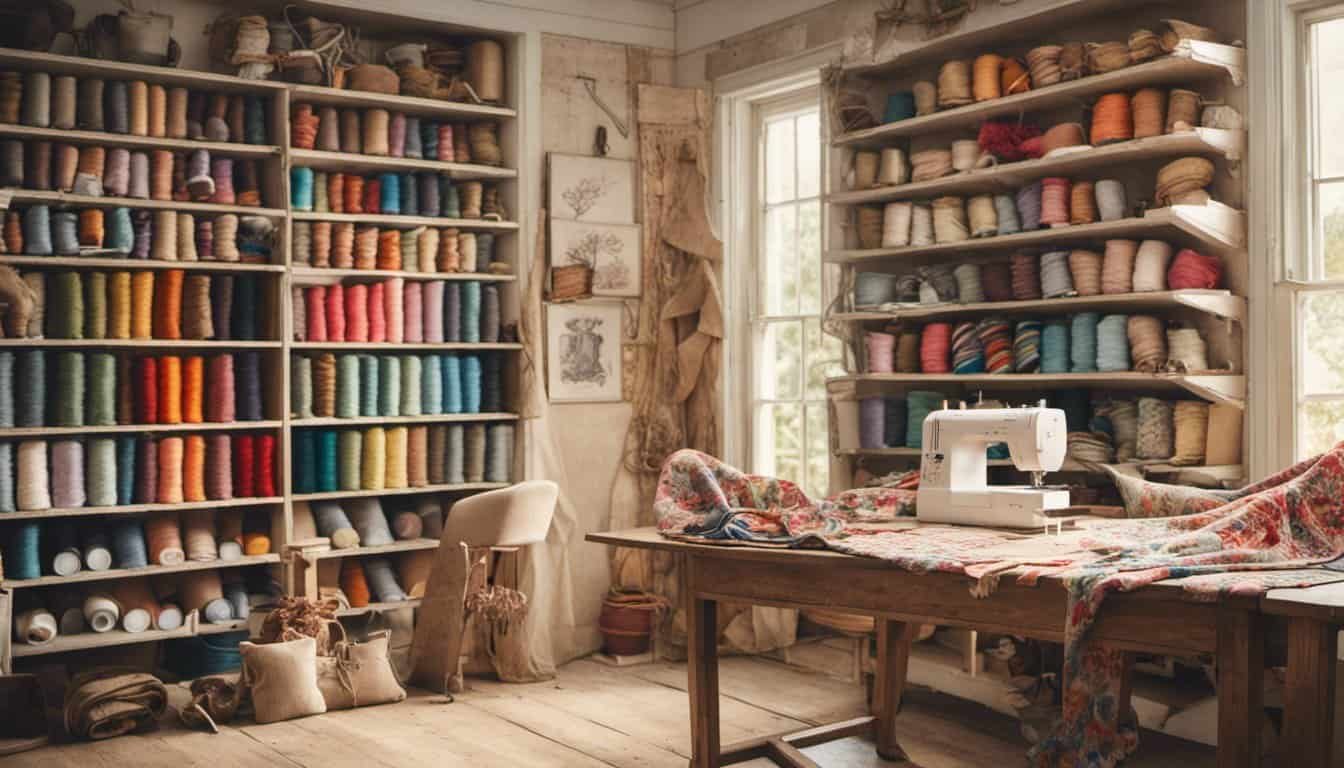
Choosing the right upholstery fabric is essential for both comfort and style in your furniture. I’ve spent years exploring various textiles, from luxurious velvets to practical linens, and I’m eager to share my experiences with you.
Types of Upholstery Fabrics
Choosing the right upholstery fabric enhances both the look and durability of your furniture. I explore the main categories to help you make an informed decision.
Natural Fibers
Natural fibers offer breathability and a classic appearance. Common options include:
- Cotton: Soft, versatile, and easy to clean, suitable for casual settings.
- Linen: Lightweight with a textured finish, ideal for a relaxed aesthetic.
- Wool: Durable and warm, perfect for high-traffic areas.
- Leather: Luxurious and long-lasting, adds timeless elegance to any piece.
Each fiber type provides unique benefits, ensuring there’s a natural option to match your style and functional needs.
Synthetic Fibers
Synthetic fibers are known for their resilience and affordability. Popular choices are:
- Polyester: Resistant to wrinkles and fading, excellent for vibrant colors.
- Nylon: Strong and elastic, suitable for heavily used furniture.
- Acrylic: Mimics wool’s softness, often used in upholstered chairs and sofas.
- Olefin: Moisture-resistant and stain-resistant, ideal for outdoor furniture.
These materials offer practical solutions for various upholstery requirements, balancing cost and performance effectively.
Blended Fabrics
Blended fabrics combine natural and synthetic fibers to leverage the strengths of each. Common blends include:
- Poly-Cotton: Merges cotton’s comfort with polyester’s durability, easy to maintain.
- Wool-Polyester: Enhances wool’s warmth with polyester’s resilience, suitable for luxurious yet sturdy furnishings.
- Linen-Polyester: Balances linen’s natural texture with polyester’s wrinkle resistance, perfect for stylish and practical designs.
Blended fabrics provide versatility, making them a popular choice for diverse upholstery applications.
Durability and Maintenance
I assess upholstery fabrics’ durability to ensure furniture longevity. Factors like fiber type, weave density, and fabric weight determine resilience against daily use.
Natural Fibers
Natural fibers offer varying durability levels:
- Cotton: Soft textures allow wear over time. Susceptible to staining; regular vacuuming and spot cleaning maintain appearance.
- Linen: Strong yet breathable; prone to wrinkles. Gentle cleaning methods preserve fibers.
- Wool: High resistance to pilling and crushing. Protect from direct sunlight to prevent fading.
- Leather: Extremely durable; requires conditioning to prevent drying and cracking. Spills must be wiped immediately.
Synthetic Fibers
Synthetic fabrics enhance durability with specific care needs:
- Polyester: Resistant to stretching and shrinking. Machine washable; use mild detergents to avoid degradation.
- Nylon: High tensile strength withstands abrasion. Spot clean with appropriate solutions for stains.
- Acrylic: Mimics wool’s warmth; fades under UV exposure. Clean regularly to prevent dirt buildup.
- Olefin: Excellent resistance to stains and moisture. Maintain by wiping clean surfaces as needed.
Blended Fabrics
Blended fabrics combine strengths of natural and synthetic fibers, offering balanced durability:
- Cotton-Polyester: Combines cotton’s comfort with polyester’s resilience. Machine washable; reduce wrinkles by promptly removing from dryer.
- Wool-Nylon: Enhances wool’s durability with nylon’s strength. Requires careful cleaning to maintain fabric integrity.
Maintenance Tips
- Regular Cleaning: Vacuum weekly to remove dust and debris.
- Immediate Stain Treatment: Address spills promptly to prevent permanent marks.
- Protect from Sunlight: Use window treatments or furniture placement to minimize UV exposure.
- Rotate Cushions: Evenly distribute wear by rotating cushions periodically.
| Fabric Type | Cleaning Method | Durability Rating |
|---|---|---|
| Cotton | Spot clean, vacuum | Moderate |
| Linen | Gentle cleaning, avoid harsh detergents | Moderate-High |
| Wool | Vacuum, avoid moisture | High |
| Leather | Wipe with damp cloth, condition periodically | Very High |
| Polyester | Machine washable, air dry | High |
| Nylon | Spot clean | High |
| Acrylic | Regular dusting, spot clean | Moderate |
| Olefin | Wipe clean, machine washable | High |
| Cotton-Polyester | Machine washable, easy wrinkle removal | High |
| Wool-Nylon | Gentle cleaning, avoid abrasion | Very High |
Comfort and Aesthetics
Balancing comfort and aesthetics is essential when selecting upholstery fabrics for furniture. Each fabric type offers unique attributes that contribute to both the tactile experience and the visual appeal of your pieces.
Comfort
Comfort hinges on several factors that determine how pleasant your furniture feels during use.
- Softness: Velvet and chenille provide a luxurious, plush feel, making them ideal for sofas and armchairs.
- Breathability: Natural fibers like cotton and linen allow air to circulate, keeping surfaces cool and comfortable.
- Texture: Textured fabrics such as boucle and tweed add depth and a tactile dimension, enhancing the overall comfort.
Aesthetics
Aesthetics focus on the visual elements that make your furniture stand out and complement your interior design.
- Color: Neutral tones offer versatility, while vibrant colors can serve as focal points in a room.
- Pattern: Stripes, florals, and geometric designs introduce personality and can mask stains or wear.
- Finish: Sheen and matte finishes affect how light interacts with the fabric, influencing the room’s ambiance.
Choosing fabrics that excel in both comfort and aesthetics ensures your furniture is both inviting and visually appealing.
Cost Considerations
When reviewing upholstery fabrics, understanding the cost factors helps make informed decisions. Fabric prices vary based on material, quality, and source. Here’s a breakdown:
Price Range by Fabric Type
| Fabric Type | Cost Range per Yard (USD) |
|---|---|
| Cotton | $10 – $30 |
| Linen | $15 – $40 |
| Wool | $20 – $50 |
| Leather | $50 – $150 |
| Polyester | $8 – $25 |
| Nylon | $12 – $35 |
| Acrylic | $10 – $28 |
| Olefin | $9 – $22 |
| Blended Fabrics | $12 – $40 |
| Velvet | $20 – $60 |
| Chenille | $18 – $45 |
Factors Influencing Cost
- Material Quality: Higher quality fibers like genuine leather or high-grade wool increase costs.
- Weave Complexity: Tightly woven or intricate patterns require more labor, raising prices.
- Source and Availability: Imported fabrics or those with limited availability often cost more.
- Brand Reputation: Established brands may charge premium prices for their fabrics.
- Environmental Certifications: Eco-friendly or sustainably sourced fabrics can be priced higher due to the cost of certifications.
Cost-Saving Tips
- Buy in Bulk: Purchasing larger quantities reduces the price per yard.
- Look for Sales: Seasonal discounts or clearance sales offer substantial savings.
- Consider Blended Fabrics: Combining natural and synthetic fibers balances cost and quality.
- Choose Durable Fabrics: Investing in resilient materials like polyester or nylon minimizes future replacement costs.
- Opt for Neutral Colors: They often cost less than custom or vibrant hues.
Example Cost Comparison
| Project Type | Estimated Fabric Cost (USD) |
|---|---|
| Sofas | $200 – $600 |
| Dining Chairs (set) | $150 – $450 |
| Accent Chairs | $100 – $300 |
| Ottomans | $80 – $250 |
By considering these cost factors and tips, you can select upholstery fabrics that fit your budget without compromising on quality and style.
Sustainability
Sustainability plays a crucial role in selecting upholstery fabrics, impacting both the environment and the longevity of your furniture. I prioritize fabrics that minimize environmental footprints and promote responsible resource use.
Material Sourcing
« Top 5 Knit Fabric Brands for Unmatched Stretch – You Won’t Believe 3
10 Best Denim Brands for DIY Jeans to Elevate Your Custom Style Today »
Natural fibers such as organic cotton, linen, and hemp are renewable and biodegradable. Organic cotton, grown without pesticides, reduces soil and water pollution. Linen, derived from flax plants, requires minimal water and chemicals during cultivation. Hemp grows quickly and enriches the soil, making it a sustainable choice.
Synthetic fibers like polyester, nylon, and olefin originate from petrochemicals. While they offer durability, their production involves significant carbon emissions and non-renewable resources. However, recycled polyester and recycled nylon present more sustainable alternatives by repurposing existing plastics.
Environmental Impact
The environmental impact of upholstery fabrics varies based on production processes and lifecycle management. Below is a comparison of different fabric types:
| Fabric Type | Renewable | Biodegradable | Carbon Emissions | Water Usage | Recycled Option |
|---|---|---|---|---|---|
| Organic Cotton | Yes | Yes | Low | Low | N/A |
| Linen | Yes | Yes | Low | Moderate | N/A |
| Hemp | Yes | Yes | Low | Low | N/A |
| Polyester | No | No | High | Moderate | Recycled Polyester |
| Nylon | No | No | High | High | Recycled Nylon |
| Recycled Olefin | No | No | Moderate | Low | Yes |
Certifications
Certifications ensure that fabrics meet specific sustainability standards. Key certifications include:
- Global Organic Textile Standard (GOTS): Ensures organic status and sustainable manufacturing.
- OEKO-TEX Standard 100: Certifies that fabrics are free from harmful substances.
- Recycled Claim Standard (RCS): Verifies the use of recycled materials in fabrics.
Choosing certified fabrics guarantees adherence to environmental and social responsibility criteria.
Durability and Longevity
Sustainable fabrics often emphasize durability, reducing the need for frequent replacements. Wool and leather are highly durable natural fibers, while recycled polyester and nylon offer resilience similar to their virgin counterparts. Investing in long-lasting fabrics decreases resource consumption and waste generation over time.
Recyclability and End of Life
The end-of-life management of upholstery fabrics affects their overall sustainability. Biodegradable fabrics like organic cotton and linen naturally decompose, minimizing landfill impact. In contrast, synthetic fabrics do not biodegrade but can be recycled if proper facilities are available. Implementing recycling programs for old furniture textiles supports circular economy principles and reduces environmental strain.
By considering sustainability in upholstery fabric selection, I ensure that my furniture choices contribute positively to environmental stewardship and long-term resource efficiency.
Conclusion
Choosing the right upholstery fabric has truly transformed how my furniture feels and looks. It’s amazing how the perfect fabric can bring comfort and style together in one piece. I love experimenting with different textures and colors to find that ideal match for my space. Thinking about durability and maintenance has also made my furniture more long-lasting and easy to care for. Balancing budget and quality was a fun challenge that paid off with beautiful results. Plus knowing I made sustainable choices adds an extra layer of satisfaction. I hope my journey inspires you to explore and enjoy selecting upholstery fabrics that make your home uniquely yours