When it comes to sewing, mastering different techniques can elevate your projects to a whole new level. One such technique that adds elegance and sophistication is the inverted pleat. I’ve found that once you get the hang of it, this technique can transform simple garments into stunning pieces that showcase your skills and creativity.
Understanding Inverted Pleats
Inverted pleats add depth and sophistication to fabric, often transforming simple designs into more polished pieces. This technique has both practical applications and a rich history worth exploring.
Definition and Purpose
Inverted pleats involve folding fabric inward, creating a tucked appearance on the exterior. The pleat’s structure allows for volume while retaining a streamlined look, making it ideal for skirts, blouses, and trousers. Sewists often use inverted pleats to achieve a tailored finish, enhancing the garment’s silhouette and adding movement.
Historical Significance
Inverted pleats date back to the Middle Ages, used prominently in European fashion. Initially, they served practical purposes, allowing for ease of movement in garments like gowns and tunics. As fashion evolved through the centuries, inverted pleats became a symbol of elegance and refinement, appearing in the attire of the wealthy. They gained popularity in the 19th century, particularly in women’s clothing, highlighting the hourglass figure. Today, their timeless appeal remains, bridging past styles with modern fashion.
Tools and Materials Required
To master the inverted pleat technique, I’ll need specific tools and materials that make the process smooth and effective. Below are the essentials that contribute to beautiful results.
Essential Sewing Tools
- Sewing Machine: A reliable sewing machine serves as the backbone of any sewing project, including inverted pleats. Look for one with adjustable stitch lengths.
- Scissors: High-quality fabric scissors ensure clean cuts. Pair them with pinking shears to finish edges and prevent fraying.
- Measuring Tools: A measuring tape and quilting rulers guarantee precise measurements, key for accurate pleat placement.
- Pins and Clips: Use both straight pins and fabric clips to secure fabric layers before sewing. Clips work well for thick fabrics.
- Iron and Ironing Board: An iron helps to press pleats flat, ensuring they maintain their structure. A sturdy ironing board provides a stable surface.
- Rotary Cutter & Mat: This combination offers accuracy for cutting fabric. It’s particularly useful for making long, straight cuts.
Fabric Selection
Choosing the right fabric plays a crucial role in the success of inverted pleats. Here are some fabric types ideal for this technique:



- Cotton: Cotton fabrics, like quilting cotton, offer structure and ease of handling, making them suitable for beginners.
- Linen: Linen provides a crisp, sophisticated finish. It holds pleats well but may require more care.
- Silk: Silk adds elegance to garments. It’s lightweight and drapes beautifully, though it requires precision when handling.
- Wool: Wool’s substantial nature gives a luxurious look and is perfect for skirts and trousers, holding form effectively.
Selecting the right fabric and tools ensures I achieve stunning results with the inverted pleat technique.
Step-by-Step Guide to Mastering the Inverted Pleat Technique
Mastering the inverted pleat technique involves a few essential steps that ensure precision and quality in your finished garment. I find breaking it down into manageable parts makes the process easier and more enjoyable.
Preparing Your Fabric
- Select the Right Fabric: Choose fabrics that work well with pleating. I recommend lightweight cotton or linen for beginners, as they hold their shape effectively. For a more elegant touch, silk adds a luxurious feel to your project. Wool provides warmth and drape, perfect for tailored pieces.
- Cut the Fabric: Measure and cut your fabric according to your pattern, adding seam allowance where necessary. Accurate measurements prevent mishaps during pleating.
- Press the Fabric: Iron your fabric to remove creases. Smooth fabric lays better, allowing for cleaner pleats. Use steam for stubborn creases, ensuring you follow the fabric care instructions.
Creating the Pleats
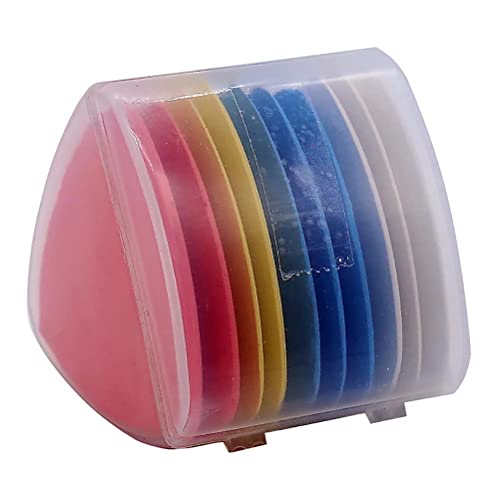
- Mark the Pleat Placement: Use a fabric marking tool to indicate where each pleat will occur. I usually draw parallel lines where the fabric will fold. Ensure your marks are clear and easy to see.
- Pinch and Fold the Fabric: Gather the fabric at each marked point to form tiny folds, pinching fabric toward the marked lines. Secure each fold with a pin to hold its shape.
- Press the Pleats: Press the pleats flat with an iron, setting the folds in place. I prefer using a pressing cloth to protect delicate fabrics. Make sure to press them in the direction intended for the final garment.
Securing the Pleats
- Baste the Pleats: With long running stitches, baste the pleats in position for additional stability. This temporary stitching allows adjustments if necessary while sewing.
- Sew the Pleats: Stitch along the pleat edges to secure them permanently. Use a straight stitch and follow the original fold lines for a neat finish. I often use a contrasting thread to make any adjustments easier before finalizing with my permanent thread choice.
- Final Pressing: After sewing the pleats, give them a final press to ensure they’re crisp and well-defined. I recommend steaming them lightly for the best results.
Following these steps makes mastering the inverted pleat technique achievable. With practice, I notice my projects showcase the elegance and sophistication that inverted pleats bring to any fabric.




Troubleshooting Common Issues
Mastering the inverted pleat technique can present challenges. Here are solutions for common issues that may arise during the process.
Uneven Pleats
Uneven pleats disrupt the polished look of a garment. To fix this, double-check your measurements before cutting the fabric. Ensure all pleat markings are clear and accurate. When pinching and folding, use your fingers to feel for even distribution throughout the fabric. After pinning, measure the distance between pleat folds to confirm uniformity. If adjustments are necessary, unpin and reposition, being cautious not to twist the fabric.
Fabric Fraying
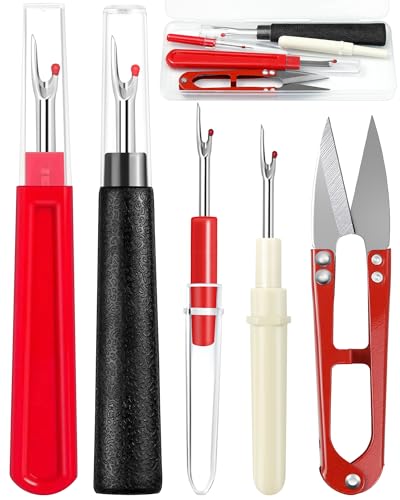
Fabric fraying can compromise pleats and the overall finish of your project. To prevent fraying, choose fabrics that resist wear, like cotton or wool blends. For added security, use pinking shears along raw edges or apply a fray-check solution. If fraying occurs, trim any loose threads and re-secure edges with a zigzag stitch or serger. Always press seams carefully after sewing to minimize stress on the fabric edges.
Conclusion
Mastering the inverted pleat technique has truly been a game changer for my sewing projects. It’s amazing how a simple fold can add so much elegance and sophistication to my garments. I love how this technique not only showcases my skills but also transforms basic designs into something special.
As I continue to practice and refine my skills, I’m excited to explore the endless possibilities that inverted pleats offer. Whether I’m working on skirts blouses or trousers, I know this technique will always elevate my creations. So grab your fabric and tools and let’s create something beautiful together!