Sewing a hood for jackets and coats can be a fun and rewarding project. Whether you’re looking to add a personal touch to a favorite piece or create something entirely new, a well-fitted hood can elevate your outerwear game. I’ve always loved the cozy feeling of a hood on a chilly day, and it’s amazing how a little fabric can make such a difference.
Tools and Materials Needed
To sew a hood for jackets and coats, specific tools and materials are essential for achieving a polished look and ensuring functionality. Here’s a detailed list to help you gather everything you need.
Sewing Machine
- Sewing Machine: A reliable sewing machine simplifies the process and allows for precise stitching. Look for a model that handles different fabric thicknesses and has a zigzag stitch option for added flexibility.
- Walking Foot: This attachment helps move multiple layers of fabric evenly, preventing bunching and ensuring smooth feeding through the machine.
- Needles: Use a universal or ballpoint needle, depending on the fabric. A size 80/12 is ideal for most lightweight and medium-weight fabrics.
Fabrics
- Outer Fabric: Choose durable fabrics like fleece, denim, or canvas. Consider weather-resistant materials for functionality.
- Lining Fabric: Select a soft and comfortable lining fabric, such as cotton or a lightweight polyester blend. This adds comfort against the skin.
- Interfacing: Use fusible interfacing to provide structure and stability, especially around the hood edges, ensuring it maintains its shape over time.
Additional Supplies
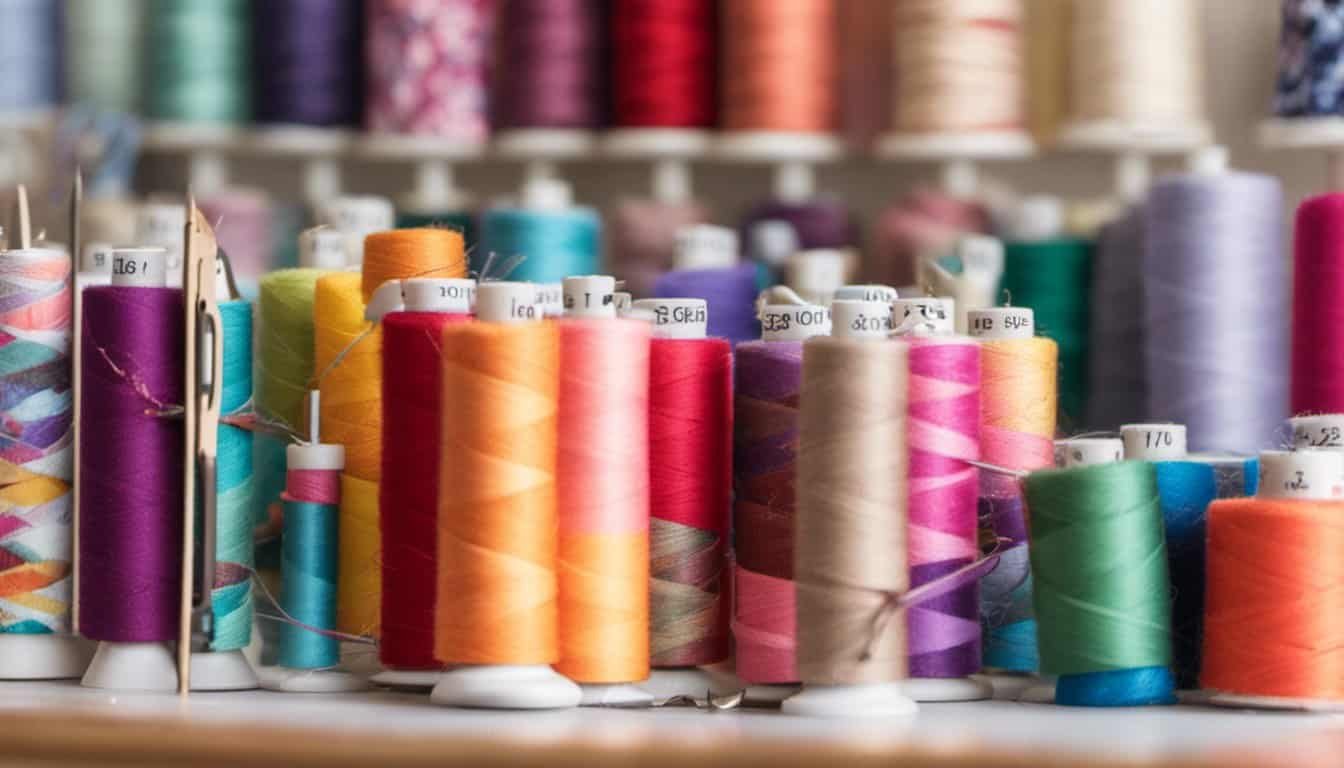
- Thread: Choose a high-quality thread that matches your fabric color. Polyester thread works well for most projects due to its strength and flexibility.
- Scissors: Invest in a sharp pair of fabric scissors. A rotary cutter can also be useful for cutting precise shapes.
- Pins and Clips: Use pins or fabric clips to hold layers together while sewing. Clips work better with thicker fabrics.
- Measuring Tape: Accurate measurements are crucial for a well-fitted hood. A flexible measuring tape allows for easy handling around curves.
By gathering these tools and materials, you set yourself up for a successful sewing experience when crafting a hood for jackets and coats.
Preparing the Hood Pattern
Preparing the hood pattern is a crucial step in ensuring a perfect fit for your jacket or coat. Accurate measurements and the right pattern choice make all the difference in achieving the desired look and comfort.
Measuring for the Hood
Measuring for the hood requires precision. Start by determining the head circumference. Wrap a flexible measuring tape around the widest part of the head, usually just above the ears and eyebrows. Record this measurement. Next, measure the length from the back of the neck to the center top of the head, ensuring you capture the height needed. Finally, measure the width from one side of the head to the other. These measurements help in drafting or selecting a pattern that fits snugly.
Choosing the Right Pattern
Choosing the right pattern impacts the hood’s style and functionality. Look for patterns specifically designed for hoods on jackets or coats. Consider the type of hood: whether it’s a simple pulled-over style, a detachable option, or a lined version for extra warmth. Check the skill level required. Patterns come with detailed instructions, so select one that matches my sewing ability. Additionally, evaluate the fabric requirements and ensure they align with my fabric choices. This thoughtful selection streamlines the sewing process and enhances the final product’s appeal.
Sewing the Hood
Sewing a hood requires careful assembly and precise attachment to ensure a polished look. This section explores the essential steps involved in bringing the hood to life and integrating it seamlessly with the jacket or coat.
Assembling the Pieces
- Cut all pieces according to the pattern, ensuring that you include seam allowances.
- Pin the outer fabric to the lining, right sides together, aligning edges carefully.
- Sew along the curved edges of the hood, using a 1/4-inch seam allowance for a neat finish.
- Clip the edges at regular intervals to ease any curves and enhance flexibility.
- Turn the hood right side out and press gently for a crisp shape.
Attaching the Hood to the Jacket
- Align the raw edges of the hood with the neckline of the jacket, making sure to match the centers.
- Pin the hood in place to prevent shifting while sewing.
- Sew the hood to the jacket, using a straight stitch and a 1/2-inch seam allowance for strong attachment.
- Finish the seam with a zigzag stitch or serger for added durability and to prevent fraying.
- Press the seam allowances towards the jacket for a clean look, and topstitch if desired for extra detail.
By diligently following these steps, I create a well-constructed hood that enhances the overall aesthetic and functionality of my jacket or coat.
Finishing Touches
Finishing touches can transform a hood from ordinary to exceptional. The details enhance both aesthetics and functionality, ensuring the hood fits perfectly and stands out.
Adding Drawstrings or Elastic
Adding drawstrings or elastic provides adjustability, allowing the hood to fit snugly around the face. For drawstrings, I start by sewing a casing along the edge of the hood. I leave openings at both ends to insert the drawstring. Use a safety pin for easy threading through the casing. Once in place, tie a knot at each end to secure it. For elastic, I’ve found it useful to measure around the face and cut the elastic slightly shorter for a comfortable fit. I sew it into the hood by overlapping the ends, securing them with a zigzag stitch to ensure a firm hold.
Hemming the Edges
Hemming the edges gives the hood a polished look and prevents fraying. I typically fold the edge up about 1/4 inch and press it with an iron. I then fold it again to create a clean finish and pin it in place. Using a straight stitch, I sew along the folded edge, maintaining even distance from the fold. For added strength, I often use a zigzag stitch or a serger to finish the raw edge before folding. This step not only enhances durability but also completes the hood’s overall appearance.
Conclusion
Sewing a hood for your jackets and coats can be a rewarding experience. I love how it adds a personal touch and transforms an ordinary piece of outerwear into something truly special. With the right tools and a bit of patience, you can create a cozy hood that not only looks great but also keeps you warm on chilly days.
Don’t forget the finishing touches like drawstrings or elastic to ensure a snug fit. It’s those little details that make all the difference. So grab your sewing machine and let your creativity shine. I can’t wait to see what you create!