Ever wondered why sewing feels so comforting and timeless? It’s not just about stitching fabric together; it’s an art form that carries deep symbolism. Sewing often represents creativity and self-expression, allowing you to transform simple materials into something beautiful and unique.
Beyond the practical, sewing also symbolizes connection and continuity. Each stitch can be seen as a link to the past, a nod to the skills passed down through generations. Whether you’re mending a tear or crafting a quilt, you’re engaging in a tradition that binds us together, threading stories and memories into every piece.
Historical Significance of Sewing
Sewing has played a crucial role in human history for thousands of years. It has evolved from a necessity to a creative art form. Let’s explore its journey through different eras.
Sewing in Ancient Civilizations
In ancient civilizations, sewing symbolized survival and craftsmanship. Early humans sewed animal hides using bone needles and sinew thread. Archaeologists found evidence of these early techniques in sites like the Qumran Caves, dating back to 6000 BCE. Egyptians, known for their linen production, created intricate garments showcasing their advanced sewing skills. Hieroglyphs often depicted seamstresses at work, indicating sewing’s societal importance.
Sewing in the Industrial Revolution
During the Industrial Revolution, sewing underwent transformative changes. The invention of the sewing machine by Elias Howe in 1846 and its improvement by Isaac Singer in 1851 revolutionized clothing production. Factories began mass-producing garments, making clothing more accessible and affordable. Despite the rise of machine-made goods, hand-sewing remained vital for detailed, custom pieces. This period highlighted sewing’s dual nature: a bridge between tradition and modernization.
Sewing as a Symbol of Femininity
Sewing has long been associated with femininity, reflecting women’s roles throughout history and into modern times. This art form stands as both a practical skill and an expression of identity.

The Role of Sewing in Women’s Lives
Historically, sewing played a crucial role in women’s lives. In many cultures, young girls learned sewing at an early age. For instance, in Victorian Britain, girls were taught needlework as part of their education, emphasizing domestic skills essential for running a household. Sewing also served as a creative outlet, allowing women to design and create personal and household items.
By the 19th century, sewing had evolved into both a necessity and a pastime. Women could create intricate quilts, delicate lace, and fashionable clothing. In many societies, possessing sewing skills increased a woman’s marital prospects, reflecting her ability to manage a home efficiently.
Sewing and Gender Dynamics Today
Today, sewing continues to intersect with gender dynamics. While traditionally seen as a female activity, sewing has gained broader acceptance as a skill for anyone interested in crafting. With the rise of DIY culture, people of all genders are embracing sewing for its practicality and creative potential.

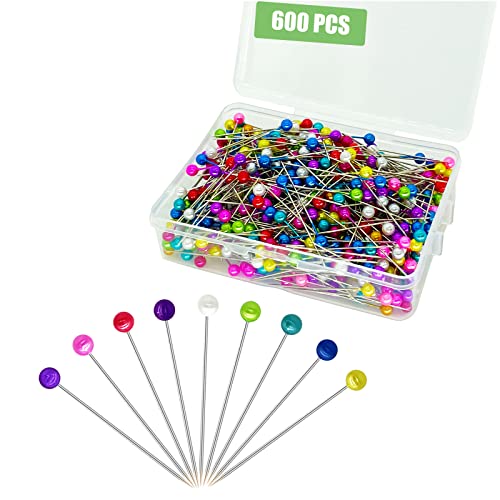


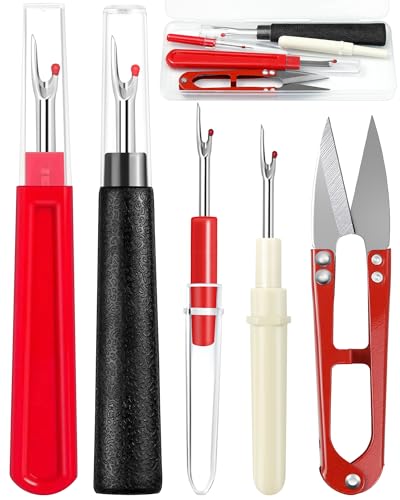
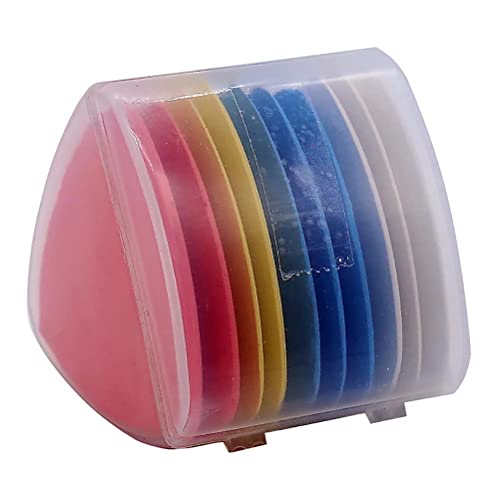
Modern sewing communities, both online and offline, showcase diverse participants who share techniques, projects, and support. These communities challenge historical gender norms, promoting inclusivity in the craft. Moreover, contemporary fashion designers and artists often integrate sewing into their work, further blurring traditional gender lines.
Sewing, as a symbol of femininity, captures the nuanced ways this art form reflects and influences gender roles through time.
Psychological and Therapeutic Benefits of Sewing
Sewing offers numerous psychological and therapeutic benefits, providing more than just functional and creative outcomes. Engaging in sewing promotes mental well-being and emotional balance.
Sewing as a Form of Mindfulness
Sewing immerses you in the present moment, encouraging mindfulness. When you focus on intricate stitches and patterns, stress and anxiety diminish. According to the American Mindfulness Research Association, mindfulness practices reduce stress by activating the relaxation response. When sewing, your repetitive hand movements release serotonin. This promotes relaxation and enhances mood.
Sewing as a Creative Outlet
Sewing channels your creativity, allowing personal expression through fabric and thread. Creating unique designs fosters a sense of accomplishment and boosts self-esteem. A study by the British Journal of Occupational Therapy found that 81% of participants felt happier after creative practices like sewing. Engaging in creative sewing projects strengthens cognitive functions, improving problem-solving skills and promoting innovative thinking.
Sewing in Literature and Media
Iconic Representations of Sewing
Sewing has been portrayed as a powerful symbol in literature and media. In Charles Dickens’ “A Tale of Two Cities,” Madame Defarge uses knitting to record names of those condemned by the revolution, intertwining crafting with destiny. Similarly, in Nathaniel Hawthorne’s “The Scarlet Letter,” Hester Prynne’s embroidery signifies her resilience and defiance, transforming a mark of shame into one of artistic expression.
Films like “Coraline” and “The Dressmaker” also leverage sewing to convey profound messages. “Coraline” uses a stitched-together world to explore identity and perception, while “The Dressmaker” ties sewing to themes of redemption and revenge. In both instances, sewing craftily weaves deeper narrative threads.
Influence on Popular Culture
Sewing shapes popular culture by embodying creativity, individuality, and skill. Television shows such as “Project Runway” spotlight sewing’s artistic aspects, inspiring viewers to embrace fashion design. Meanwhile, movies like “How to Make an American Quilt” highlight the communal and therapeutic facets of quilting, depicting it as a means to share stories and heal emotional wounds.
Additionally, sewing-themed social media communities amplify its influence. Platforms like Instagram exhibit countless DIY projects and tutorials, promoting an inclusive and supportive environment for sewing enthusiasts. These digital gatherings foster a sense of belonging and encourage creative exploration, cementing sewing’s place in contemporary culture.
Conclusion
Sewing weaves together threads of history creativity and personal growth. It’s more than just a craft—it’s a form of expression and a way to connect with others. Whether you’re stitching for practical reasons or artistic endeavors sewing offers a unique blend of tradition and innovation. Embrace the journey of sewing and discover the profound meanings and joys it can bring to your life.