
Embroidery is a delightful craft that lets you express your creativity, and understanding the tools you use can make all the difference. One essential tool in your embroidery kit is the embroidery hoop.
You might wonder, what exactly are embroidery hoops and how can you use them effectively? In this article, you’ll discover the basics of these handy tools and learn tips to enhance your stitching projects. Whether you’re a beginner or looking to refine your technique, mastering embroidery hoops will elevate your crafting experience.
Understanding Embroidery Hoops
Embroidery hoops hold your fabric taut, ensuring smooth stitching. They come in various types and materials to suit different projects.
Types of Embroidery Hoops
- Double-Sided Hoops: Feature two rings, allowing you to see your work from both sides.
- Single-Sided Hoops: Have a single ring, ideal for projects where the back isn’t visible.
- Spring-Action Hoops: Use a spring mechanism for easy tightening and loosening.
- Round Hoops: Provide a uniform tension, perfect for circular designs.
- Oblong or Oval Hoops: Accommodate larger or rectangular patterns without crowding.
Materials Used
- Wood: Lightweight and affordable, suitable for most embroidery tasks.
- Plastic: Durable and available in various colors, offering a budget-friendly option.
- Metal: Sturdy and long-lasting, ideal for heavy fabrics and intricate designs.
- Bamboo: Eco-friendly and strong, providing a natural aesthetic to your projects.
Selecting the Right Embroidery Hoop
Choosing the right embroidery hoop ensures your stitching stays taut and accurate. Evaluate size, shape, and specific project requirements to enhance your crafting results.
Size and Shape Considerations
Select hoop sizes based on your embroidery design. Common diameters range from 2 to 6 inches:
| Hoop Size (inches) | Suitable Projects |
|---|---|
| 2″ | Monograms, small details |
| 4″ | Standard embroidery patterns |
| 6″ | Large designs, multiple motifs |
Round hoops maintain uniform tension, ideal for symmetric patterns. Oval hoops offer extra width for elongated or panoramic designs, providing flexibility for various project types.





Choosing Based on Project Needs
Match hoop types to your project style. Spring-action hoops allow adjustable tension, accommodating different fabric thicknesses. Double-sided hoops enable work on both sides without repositioning, increasing efficiency. Oblong or oval hoops suit specific shapes, such as botanical or landscape motifs, ensuring your design fits perfectly within the frame.
Using an Embroidery Hoop
Using an embroidery hoop correctly ensures your fabric stays taut, making your stitching precise. Follow these steps to set up and optimize your embroidery process.
Setting Up the Hoop
- Select the Right Hoop Size
Choose a hoop size that matches your project. Common sizes range from 2 to 6 inches.



- Prepare the Fabric
Place your fabric over the inner hoop, ensuring it’s smooth and wrinkle-free.
- Secure the Hoop
Position the outer hoop over the fabric. Tighten the screw or clamp until the fabric is taut but not stretched.
- Trim Excess Fabric
Cut any extra fabric, leaving a small margin around the edges for stability.
- Mark Your Design
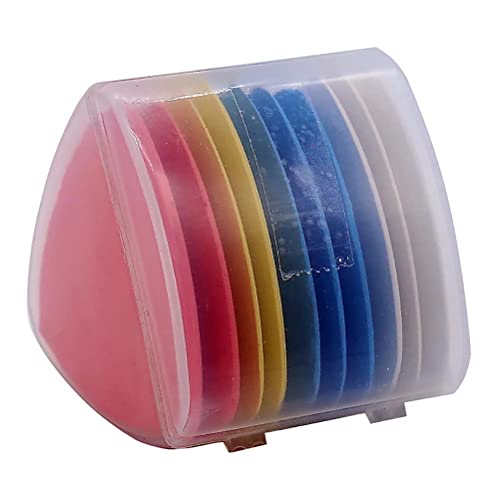
Transfer your pattern onto the fabric using fabric markers or tracing paper before stitching.
Techniques for Effective Embroidery
- Maintain Tension
Keep stitches even by maintaining consistent tension. Adjust the hoop if the fabric loosens.
- Start from the Center
Begin stitching from the center of your design and work outward to prevent fabric bunching.
- Use Quality Threads
Select strong, colorfast threads to ensure lasting and vibrant embroidery.
- Choose Appropriate Stitches
Use varied stitches like backstitch, satin stitch, and French knots to add texture and detail.
- Regularly Check Alignment
Periodically review your work to ensure patterns remain aligned and shapes stay accurate.
Caring for Your Embroidery Hoop
Maintaining your embroidery hoop ensures it remains in optimal condition for your projects. Follow these guidelines to care for your hoop effectively.
Cleaning Your Embroidery Hoop
« “10 Reasons Sewing a Reusable Gift Wrap with Fabric Will Transform Your Gifts!”
What Is Japanese Boro and How to Sew It: Unlock the Secrets of This Timeless Craft »
Regular cleaning prevents buildup and maintains the hoop’s functionality.
- Wipe Down: After each use, wipe the hoop with a dry, soft cloth to remove dust and thread residue.
- Deep Cleaning: For stubborn stains, use a solution of mild soap and water. Apply with a damp cloth, then dry thoroughly to prevent moisture damage.
- Avoid Harsh Chemicals: Refrain from using abrasive cleaners or solvents that can damage the hoop’s material.
Storing Your Embroidery Hoop
Proper storage extends the lifespan of your embroidery hoop and keeps it ready for your next project.
- Store Upright: Keep hoops standing vertically to maintain their shape and prevent warping.
- Use Protective Covers: Place hoops in protective cases or covers to shield them from dust and scratches.
- Separate Different Types: Store metal, wood, and plastic hoops separately to avoid material-specific damage.
Maintaining Hoop Tension
Ensuring the correct tension is crucial for accurate stitching and preventing fabric distortion.
- Check Regularly: Periodically inspect the tension of your fabric within the hoop. Adjust as needed to keep it taut.
- Avoid Over-Tightening: Excessive tension can warp the hoop or stretch the fabric. Aim for firm, even tension.
- Replace Parts When Needed: If the hoop’s spring mechanism weakens or parts become damaged, replace them promptly to maintain proper tension.
Handling Your Embroidery Hoop
Proper handling minimizes the risk of damage and ensures longevity.
- Handle with Care: Gently open and close the hoop to prevent bending or breaking.
- Avoid Dropping: Keep hoops in a secure place to avoid accidental drops that can cause dents or cracks.
- Use Both Hands: When adjusting the hoop, use both hands to distribute pressure evenly and maintain the hoop’s integrity.
Preventing Rust and Corrosion
Especially important for metal hoops, preventing rust extends the lifespan and appearance of your hoop.
- Dry Thoroughly: After cleaning, ensure the hoop is completely dry before storing.
- Apply a Protective Coating: Consider using a light coating of oil or a commercial rust inhibitor on metal hoops to prevent corrosion.
- Inspect Regularly: Look for signs of rust or corrosion and address them immediately to prevent spread.
By following these care practices, your embroidery hoop remains a reliable tool, enhancing your crafting experience and ensuring your projects turn out beautifully.
Creative Applications of Embroidery Hoops
Embroidery hoops extend beyond traditional stitching projects. You explore various creative applications to enhance your crafting repertoire.
Home Decor
Transform embroidery hoops into stylish wall art. Arrange multiple hoops with coordinated patterns, seasonal themes, or inspirational quotes to create a gallery wall. Use painted hoops to match your interior design, adding texture and color to any room.
Jewelry Making
Create unique jewelry pieces using embroidery hoops. Mini hoops serve as pendants for necklaces or charms for bracelets. Decorate them with beads, ribbons, or small embroidery designs to personalize your accessories.
Gift Items
Design personalized gifts with embroidery hoops. Craft custom designs representing the recipient’s interests, such as monograms, favorite symbols, or meaningful patterns. Present the hoops as standalone decor or incorporate them into other handmade gifts.
Clothing Embellishments
Enhance garments by adding embroidered hoop accents. Attach small hoops to shirts, jackets, or bags as decorative elements. Customize clothing items with unique embroidery patterns to showcase your creativity and style.
Mixed Media Art
Integrate embroidery hoops into mixed media projects. Combine fabric, thread, paint, and other materials within the hoops to create layered artworks. Experiment with different textures and techniques to produce visually engaging pieces.
Seasonal Decorations
Craft seasonal ornaments using embroidery hoops. Create holiday-themed designs for Christmas, Halloween, or other festivities. Display these decorations on walls, windows, or as part of festive arrangements to celebrate each season.
Conclusion
Embroidery hoops are more than just tools they’re your partners in bringing creative visions to life. With the right hoop and techniques you’ll find your projects become more enjoyable and your skills grow steadily.
Don’t hesitate to experiment with different hoop types and materials to discover what works best for you. Whether you’re hanging your creations as art or gifting them to loved ones each piece carries a personal touch that showcases your talent.
Embrace the journey of embroidery and let your imagination soar. Happy stitching!