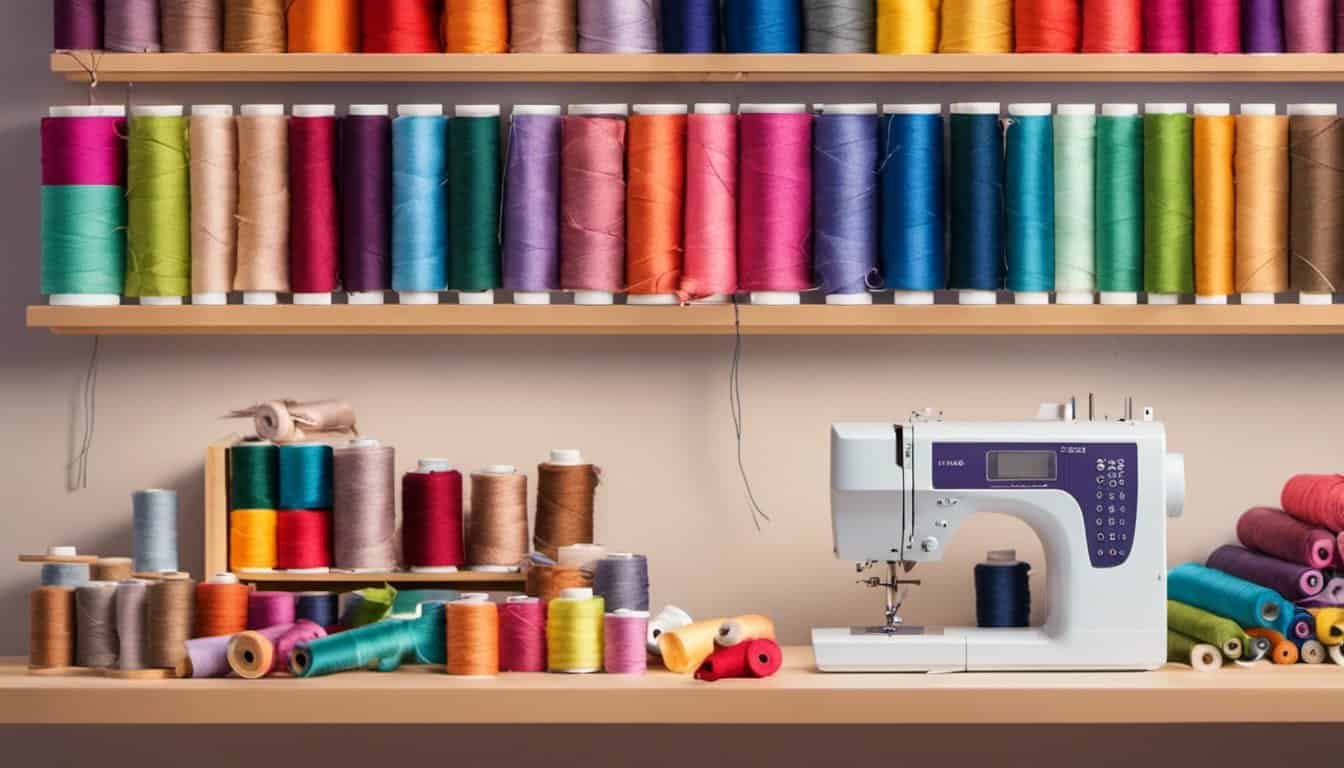
Have a favorite shirt that’s seen better days? Turn it into a stylish skirt and give it a new lease on life! Upcycling not only helps the environment but also lets you showcase your creativity and personal style.
Materials Needed
- Old Shirt: Choose a cotton or lightweight fabric shirt in your preferred color and pattern.
- Scissors: Use sharp fabric scissors for clean cuts.
- Sewing Machine: Ensure it’s functional for stitching the skirt pieces together.
- Thread: Select a matching color, typically 100% cotton or polyester.
- Measuring Tape: Accurate measurements ensure a well-fitted skirt.
- Pins or Clips: Secure fabric layers while sewing.
- Elastic or Waistband Material: Opt for elastic bands or tailored waistbands for comfort.
- Iron and Ironing Board: Press seams and fabric for a polished finish.
- Pattern or Ruler: Create guidelines for cutting and assembling the skirt.
- Safety Pins: Assist in fitting the skirt before final stitching.
Choosing the Right Shirt and Skirt Style
Selecting the right shirt ensures a successful upcycle project. Focus on fabric type, condition, and size to match your desired skirt style.
Selecting the Shirt
- Fabric Type: Choose durable fabrics like cotton, linen, or chambray for ease of sewing and longevity.
- Condition: Ensure the shirt is free from stains, tears, and significant wear for a polished finish.
- Size: Select a shirt that fits comfortably around your waist and hips, allowing room for adjustments.
Determining Skirt Style
Match the shirt’s features to the skirt style you want to create. Consider elements like sleeve type, neckline, and hemline.
| Shirt Feature | Suitable Skirt Style |
|---|---|
| Fitted Waist | A-line, Pencil |
| Flared Sleeves | A-line, Maxi |
| Structured Collar | Pencil |
| Long Sleeves | Maxi, Wrap |
| Oversized Fit | Maxi, Wrap |
- A-line Skirt: Ideal for shirts with a fitted waist and flared sleeves, creating a balanced silhouette.
- Pencil Skirt: Best with structured shirts featuring tailored collars and cuffs for a sleek look.
- Maxi Skirt: Suited for long or oversized shirts, offering a flowing and comfortable fit.
- Wrap Skirt: Perfect for shirts with an oversized fit, allowing for adjustable sizing and style variations.
Choose a skirt style that complements the shirt’s design and fits your personal style preferences.
Preparing the Shirt
Start by selecting a shirt that matches your desired skirt style. Ensure the fabric is durable, such as cotton or linen, and check for any stains or damages. If needed, wash and iron the shirt to remove wrinkles and prepare it for cutting.
Measuring and Marking
- Determine Length: Measure the desired skirt length using a measuring tape. Mark the shirt accordingly.
- Mark Waistline: Identify the natural waist of the shirt. Use pins or fabric chalk to mark the new waistline for the skirt.
- Adjust Fit: If the shirt is oversized, decide where to take in the sides. Mark these areas to ensure a comfortable fit.
Cutting the Fabric
Carefully cut the shirt based on your markings. Use sharp scissors for clean edges. Remove sleeves and collar if they won’t be part of the skirt design. Keep the fabric pieces organized for the sewing process.
Preparing the Waistband
Choose elastic or waistband material suitable for your skirt style. Measure the waist circumference and cut the waistband accordingly. Attach the waistband to the top edge of the skirt fabric, ensuring it fits securely and comfortably.
Final Preparations
Iron all seams and edges to smooth the fabric. Check all measurements and adjustments one last time. Your shirt is now ready to be transformed into a stylish skirt.
Step-by-Step Instructions
Transform your shirt into a stylish skirt by following these detailed steps. Each phase ensures precision and creativity in your upcycling project.
Cutting the Shirt
Begin by laying your shirt flat on a clean surface. Use a measuring tape to mark the desired skirt length from the shoulder down, ensuring even measurements on both sides. If creating an A-line or maxi skirt, add extra length for the flare. Trim the sleeves and collar if they won’t be part of the skirt design. For pencil or wrap skirts, carefully cut along the side seams to shape the fabric. Keep track of all pieces to streamline the sewing process.
Sewing the Pieces
Start by aligning the front and back skirt pieces, right sides together. Pin the seams securely and sew along the edges with a straight stitch, maintaining a 1/2-inch seam allowance. Reinforce the waistline by attaching the elastic or waistband material, ensuring it fits comfortably around your waist. Sew the hem by folding the fabric twice and stitching in place for a clean finish. Press all seams with an iron to enhance durability and achieve a professional look.
Customizing Your Skirt
Enhance your skirt by adding personalized features that showcase your style. Consider these customization options:
- Embellishments: Attach beads, sequins, or fabric paint to highlight design elements.
- Pockets: Sew functional pockets using fabric scraps for added convenience.
- Waistband: Replace the original waistband with elastic or decorative lace for a fresh appearance.
- Length Adjustment: Hem the skirt to your desired length for a perfect fit.
- Lining: Add a fabric lining to ensure opacity and increase comfort.
- Trims and Lace: Incorporate lace trims or decorative ribbons to accentuate edges.
- Dyeing: Apply fabric dye to change the skirt’s color and match your wardrobe.
- Adding Layers: Layer different fabrics to create a unique texture and depth.
Each customization step allows you to tailor the skirt to your preferences, making it a unique piece in your wardrobe.
Finishing Touches
Complete your skirt by adding final details that enhance both its appearance and functionality.
Hemming the Skirt
Ensure the hem is even and secure:
- Measure the desired hem length using a measuring tape.
- Fold the fabric twice, pin it in place.
- Sew the hem with consistent stitches for durability.
- Press the hem with an iron for a crisp finish.
Attaching the Waistband
Finalize the waist area for comfort and style:
- Insert the waistband or elastic into the waistband casing.
- Secure the ends by stitching them together neatly.
- Distribute the fabric evenly to prevent bunching.
- Double-stitch for added strength if using elastic.
Adding Embellishments
Personalize your skirt with decorative elements:
- Sew on buttons, beads, or sequins for sparkle.
- Apply fabric paint or dyes for unique patterns.
- Attach lace trims or ribbons to the edges.
- Incorporate pockets if desired for functionality.
Final Pressing
Achieve a professional look by ironing the entire skirt:
- Set your iron to the appropriate temperature for the fabric.
- Press all seams, hems, and embellishments carefully.
- Remove any wrinkles to ensure the skirt looks polished.
Quality Check
Ensure your skirt meets your standards:
- Try on the skirt to check the fit and comfort.
- Inspect all seams and attachments for strength.
- Adjust any areas if necessary for a perfect fit.
- Clean up any loose threads for a neat appearance.
« You Need to Start a Sewing Club in Your Area Now – Here’s How
Sewing Challenge: Make a Festive Table Runner and Transform Your Holiday Decor Instantly »
By following these finishing touches, your upcycled shirt skirt will not only look stylish but also stand the test of time.
Tips for Successful Upcycling
- Choose a high-quality shirt made from durable fabrics like cotton or linen to ensure your skirt lasts.
- Select a skirt style that complements the shirt’s design, such as A-line for a casual look or pencil for a more fitted appearance.
- Measure accurately by using a flexible measuring tape to determine the desired length and waist size.
- Cut precisely along your markings to avoid uneven edges and ensure a professional finish.
- Sew carefully by aligning fabric pieces correctly and using consistent stitch lengths for strength and durability.
- Customize thoughtfully by adding pockets, embellishments, or trims that enhance the skirt’s functionality and style.
- Press seams thoroughly after sewing to create sharp lines and maintain the skirt’s shape.
- Inspect your work by checking all seams and hems for any loose threads or unfinished edges before wearing.
Recommended Tools and Materials
| Tool/Material | Purpose |
|---|---|
| Sewing Machine | Ensures strong, even stitches |
| Thread | Choose a color that matches or complements |
| Pins/Clips | Secure fabric pieces before sewing |
| Iron | Smooth fabric and press seams |
| Measuring Tape | Accurate measurements for precise fitting |
| Scissors | Cleanly cut fabric without fraying |
- Plan your project by sketching the skirt design and listing necessary steps to stay organized.
- Test a small fabric area with your chosen thread and stitch to ensure compatibility and desired appearance.
Following these tips enhances the quality and success of your upcycled shirt skirt, making it a unique and stylish addition to your wardrobe.
Conclusion
Transforming your favorite shirt into a stylish skirt is a fun and rewarding project. It’s amazing how a simple piece of clothing can become something new and unique that reflects your personal style.
Enjoy the process and take pride in your creativity. Each upcycled skirt you make adds a special touch to your wardrobe while making a positive impact on the environment. Happy crafting!