Are you fascinated by the intricate beauty of traditional Chinese garments? Stepping into the world of Chinese sewing techniques reveals a rich tapestry of craftsmanship and cultural heritage. From delicate embroidery to precise stitching, each method tells a story of artistry and dedication.
You’ll discover how these age-old practices have been preserved and adapted over centuries, influencing modern fashion and design. Whether you’re a sewing enthusiast or simply curious about cultural traditions, exploring these techniques offers a unique glimpse into China’s vibrant history and the skills that continue to shape its textiles today.
History Of Traditional Chinese Sewing Techniques
Traditional Chinese sewing techniques trace back thousands of years, reflecting the country’s rich cultural heritage. During the Han Dynasty (206 BCE – 220 CE), silk weaving and embroidery emerged as prominent crafts, symbolizing wealth and status. You can explore the intricate Suzhou embroidery, renowned for its delicate stitching and vibrant colors, which developed during the Tang Dynasty (618–907 CE).
The Song Dynasty (960–1279 CE) introduced advancements in textile technology, enhancing the quality and diversity of fabrics. Techniques like Brocade weaving flourished, producing luxurious textiles used in royal garments and ceremonies. Additionally, the Ming Dynasty (1368–1644 CE) saw the refinement of pattern-making, incorporating elaborate floral and mythical motifs.
Throughout these periods, regional variations played a significant role in shaping sewing practices. For instance:
- Cantonese Sewing: Focused on lightweight silk garments suitable for the southern climate.
- Jiangsu Sewing: Known for its precision and intricate embroidery techniques.
- Hebei Sewing: Utilized heavier fabrics and robust stitching suitable for northern weather conditions.
These techniques not only influenced fashion but also played a crucial role in social and economic aspects of Chinese society. Silk production and embroidery became important trade commodities along the Silk Road, connecting China with the rest of the world.
Today, many of these traditional sewing methods are preserved and celebrated through cultural festivals and artisanal workshops. By understanding the history of these techniques, you can appreciate the craftsmanship and cultural significance embedded in each stitch.
Key Historical Periods and Techniques
| Dynasty | Time Period | Key Sewing Techniques |
|---|---|---|
| Han | 206 BCE – 220 CE | Silk weaving, basic embroidery |
| Tang | 618 – 907 CE | Suzhou embroidery, colorful patterns |
| Song | 960 – 1279 CE | Brocade weaving, textile innovation |
| Ming | 1368 – 1644 CE | Elaborate pattern-making |
Understanding these historical contexts enhances your appreciation of traditional Chinese sewing, showcasing the evolution of techniques that continue to inspire modern craftsmanship.
Tools And Materials Used
Traditional Chinese sewing relies on a variety of specialized tools and high-quality materials to achieve its intricate designs. Understanding these essentials enhances your appreciation and practice of these age-old techniques.
Essential Tools
- Needles: Fine, curved needles made from bamboo or steel enable precise stitching and embroidery.
- Scissors: Sharp, slender scissors are crafted for detailed cutting and trimming of fabrics.
- Embroidery Hoops: Wooden or bamboo hoops hold fabric taut, facilitating intricate embroidery work.
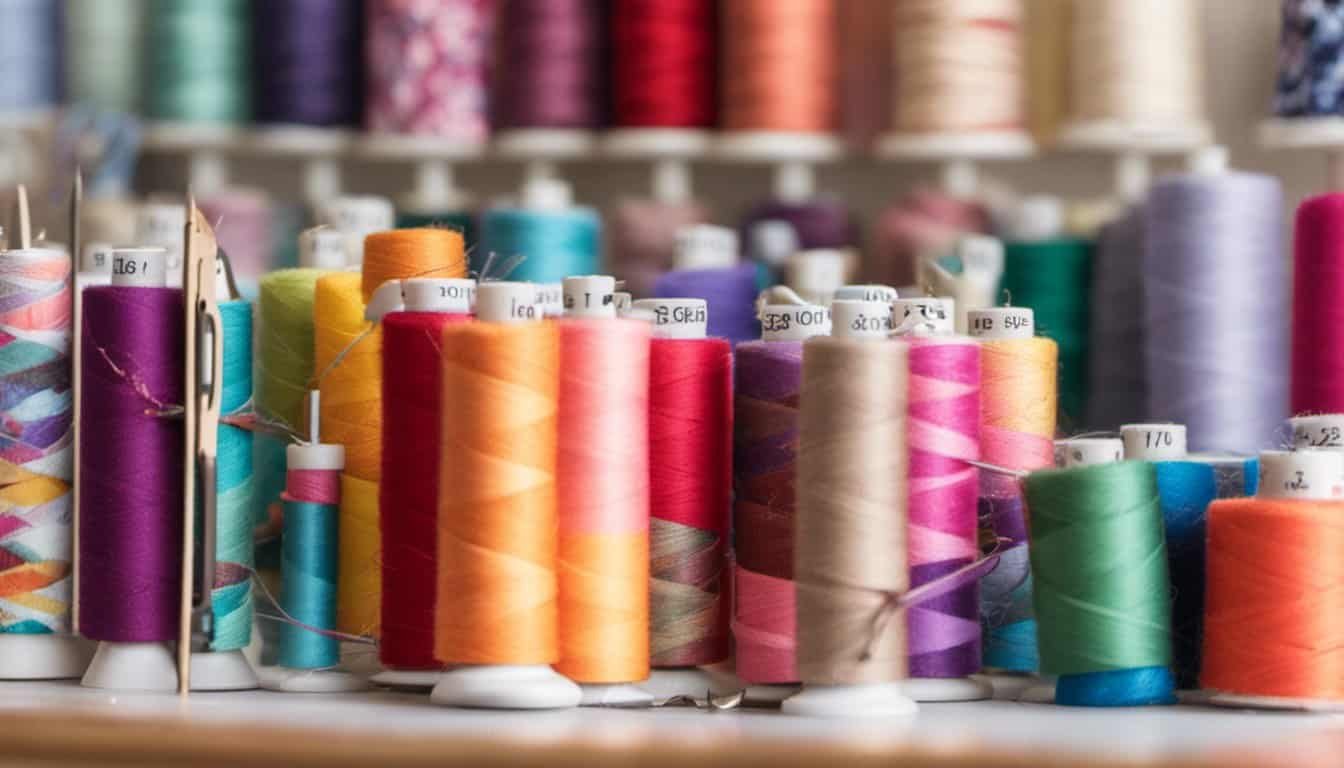
- Thread: Silk threads in multiple colors provide durability and lustrous finishes to designs.
- Measuring Tools: Rulers and measuring tapes ensure accurate dimensions and symmetry in patterns.
- Pincers and Tweezers: These tools assist in handling small needles and delicate threads with ease.
Primary Materials
- Silk Fabric: Renowned for its smooth texture and vibrant colors, silk remains the fabric of choice for traditional garments.
- Brocade: Richly patterned woven fabrics add depth and elegance to clothing and accessories.
- Linen and Cotton: These materials offer versatility and comfort, often used as base fabrics for layering.
- Natural Dyes: Derived from plants and minerals, natural dyes create the vivid hues characteristic of Chinese textiles.
- Gold and Silver Threads: Metallic threads embellish garments with a touch of luxury and sophistication.
Supportive Materials
- Stencils and Patterns: Pre-designed templates guide the placement of motifs and ensure consistency in designs.
- Adhesives: Natural glues secure threads and embellishments without damaging the fabric.
- Fabric Weights: Heavy weights keep fabrics steady during stitching, preventing movement and distortions.
- Storage Containers: Organized boxes and trays protect tools and materials, maintaining their quality and accessibility.
Traditional Accessories
- Iron Rings: Used to secure embroidery hoops, providing stability during intricate work.
- Calipers: Precision tools for measuring and marking fabric, ensuring accurate placement of patterns.
- Spools and Bobbins: Hold and manage threads, preventing tangling and facilitating smooth stitching.
By utilizing these tools and materials, you can replicate the exquisite craftsmanship that defines traditional Chinese sewing techniques. Each component plays a crucial role in creating garments that are not only beautiful but also steeped in cultural heritage.
Key Techniques
Traditional Chinese sewing techniques encompass a variety of methods that highlight meticulous craftsmanship and cultural artistry. These key techniques form the foundation of China’s rich textile heritage.
Embroidery Styles
Chinese embroidery boasts several distinct styles, each reflecting regional characteristics and historical influences:
- Suzhou Embroidery: Known for its delicate needlework and detailed imagery, often featuring flowers, birds, and landscapes.
- Hunan Embroidery: Features bold colors and dynamic patterns, typically incorporating local flora and fauna.
- Cantonese Embroidery: Emphasizes fine lines and vibrant hues, frequently used in garments and decorative items.
- Hebei Embroidery: Utilizes intricate stitching and elaborate designs, showcasing traditional motifs and symbolic patterns.
Each style employs specific techniques and materials to achieve its unique aesthetic, making Chinese embroidery diverse and highly regarded.
Decorative Stitches
Traditional Chinese sewing incorporates various decorative stitches that enhance the visual appeal of garments and textiles:
- Chain Stitch: Creates a continuous, looped line, ideal for outlining designs and adding texture.
- Satin Stitch: Produces a smooth, shiny surface, perfect for filling in large areas with color.
- Back Stitch: Offers strong, durable lines, suitable for detailed patterns and structural elements.
- French Knot: Adds small, raised dots, often used to represent flowers or other intricate details.
- Split Stitch: Delivers fine lines with a slight variation in thickness, enhancing the depth and complexity of designs.
These stitches not only serve decorative purposes but also demonstrate the skill and precision inherent in traditional Chinese sewing techniques.
Regional Variations
Different regions in China developed unique sewing techniques influenced by local climate, culture, and available materials. Understanding these regional styles enhances your appreciation of traditional Chinese craftsmanship.
Cantonese Sewing
Cantonese sewing emphasizes vibrant colors and intricate patterns. You might explore Suzhou embroidery and brocade weaving, utilizing silk threads and gold or silver yarns. The region’s humid climate favors lightweight fabrics, allowing for elaborate decorative elements.
Jiangsu Sewing
Jiangsu sewing is renowned for its Suzhou embroidery, characterized by fine stitching and detailed representations of nature. Patterns often depict flora, fauna, and scenic landscapes, reflecting the region’s rich cultural heritage. Using high-quality silk and fine threads helps you achieve precision.
Hebei Sewing
Hebei sewing features robust stitching and bold designs. You can practice embroidery and appliqué, using durable fabrics like linen and cotton. The region’s colder climate necessitates thicker materials, resulting in garments with substantial textures and layered patterns.
Hunan Sewing
« How to Design a Bold Print Dress: 7 Expert Tips to Make a Statement
What Is a Cutting Mat and How to Pick One: 7 Secrets Every Crafter Needs! »
Hunan sewing integrates embroidery with weaving techniques, creating complex textures and multi-dimensional designs. This style utilizes vibrant threads and incorporates traditional motifs such as dragons and phoenixes. Exploring the region’s diverse cultural influences can inspire your distinctive sewing methods.
By exploring these regional variations, you gain insight into the diverse techniques and artistic expressions that define traditional Chinese sewing practices.
Cultural Significance
Traditional Chinese sewing techniques embody deep cultural meanings and social values, reflecting the rich heritage of Chinese society. Each stitch and pattern carries symbolism that conveys messages about status, identity, and beliefs.
Symbolism in Designs
Embroidery patterns often represent auspicious symbols, such as dragons for power, phoenixes for grace, and peonies for prosperity. These motifs are meticulously crafted to embody wishes for good fortune and harmony in daily life and special occasions.
Social Status and Identity
Clothing created with traditional sewing techniques signifies social hierarchy and regional identity. Elaborate embroidery and high-quality fabrics distinguish nobility and wealthy families, while simpler designs represent common folk. Wearing specific patterns and colors can indicate one’s status, profession, or cultural affiliation.
Role in Festivals and Celebrations
Traditional garments play a vital role in Chinese festivals and ceremonies. During events like Lunar New Year, weddings, and other significant celebrations, embroidered attire showcases cultural pride and continuity. These garments not only honor tradition but also foster a sense of community and belonging.
Preservation of Heritage
Maintaining traditional sewing practices helps preserve Chinese cultural heritage. Artisans pass down their skills through generations, ensuring that intricate techniques and meaningful designs remain integral to Chinese identity. Cultural festivals and artisanal workshops provide platforms for showcasing and teaching these enduring crafts.
Economic Impact
Traditional sewing techniques contribute to local economies by supporting artisans and small businesses. Handcrafted garments and textiles attract tourists and collectors, promoting sustainable livelihoods and encouraging the continued practice of these specialized skills.
Influence on Modern Fashion
Contemporary designers draw inspiration from traditional Chinese sewing methods, blending ancient techniques with modern aesthetics. This fusion creates unique fashion pieces that honor heritage while appealing to current trends, demonstrating the lasting relevance of traditional craftsmanship in today’s world.
Community and Family Bonds
Engaging in sewing and embroidery fosters strong community and family connections. Collaborative projects and shared knowledge enhance relationships, as skills are taught and refined within familial and communal settings. This collaborative spirit strengthens cultural ties and ensures the longevity of traditional practices.
Educational Value
Traditional sewing techniques serve as educational tools, teaching patience, precision, and artistic expression. Workshops and educational programs incorporate these methods to cultivate appreciation for craftsmanship and inspire future generations to continue these valuable traditions.
By understanding the cultural significance of traditional Chinese sewing techniques, you gain a deeper appreciation for the artistry and heritage that shape Chinese society.
Modern Applications
Traditional Chinese sewing techniques seamlessly integrate into today’s fashion landscape, offering unique aesthetics and craftsmanship.
Contemporary Fashion Design
Modern designers incorporate Suzhou and Cantonese embroidery into runway collections, blending heritage with current trends. High-end brands feature intricate patterns on dresses, jackets, and accessories, attracting fashion enthusiasts seeking distinctive pieces.
Sustainable Fashion Practices
Using natural dyes and silk threads aligns with sustainable fashion. Artisans create eco-friendly garments by adhering to traditional methods, reducing environmental impact while maintaining quality and beauty.
Fusion with Technology
Digital embroidery machines replicate traditional stitches, enhancing precision and efficiency. Designers use software to adapt ancient patterns, enabling mass production without compromising artistic integrity.
Artisanal and Handmade Markets
Handcrafted items showcase regional embroidery styles, appealing to consumers valuing authenticity. Online platforms and boutique stores feature bespoke garments and accessories, supporting local artisans and preserving cultural heritage.
Global Fashion Trends
Traditional motifs influence international fashion, seen in collaborations between Chinese artisans and global brands. Patterns and techniques appear in streetwear, formal attire, and everyday clothing, broadening the reach of Chinese sewing traditions.
Educational Programs and Workshops
Workshops teach traditional techniques to new generations, ensuring skills persist. Educational institutions offer courses on embroidery and sewing, fostering appreciation and expertise in cultural crafts.
Home Decor and Textiles
Embroidered fabrics adorn home furnishings, including cushions, curtains, and upholstery. Traditional patterns add cultural depth to interior design, merging functionality with artistic expression.

Accessories and Jewelry
Intricate stitching enhances accessories like bags, scarves, and jewelry, creating statement pieces. Traditional techniques add texture and detail, making each item unique and culturally significant.
Customization and Personalization
Tailors use traditional methods to offer customized garments, meeting individual preferences. Personalized embroidery allows customers to incorporate meaningful symbols and designs, creating one-of-a-kind clothing.
Cultural Festivals and Events
Fashion shows during cultural festivals display traditional techniques, celebrating heritage and attracting interest. Events foster community engagement and highlight the relevance of traditional sewing in modern society.
Collaboration with Contemporary Artists
Artists blend traditional sewing with modern art forms, creating mixed-media pieces. These collaborations push the boundaries of textile art, merging old and new practices for innovative expressions.
Wedding and Formal Wear
Bridal gowns and formal attire feature traditional embroidery, symbolizing cultural identity and elegance. Couples choose handcrafted garments for their unique designs and cultural significance.

Quick Fashion Turnaround
Adapted traditional techniques allow for quicker production times without sacrificing detail. Brands respond to fast fashion demands while maintaining the quality associated with Chinese sewing.
By embracing these modern applications, traditional Chinese sewing techniques thrive in contemporary settings, ensuring their legacy continues to influence and inspire the global fashion industry.
Conclusion
Embracing traditional Chinese sewing techniques lets you connect with a rich cultural heritage. Whether you’re stitching a delicate embroidery or experimenting with intricate patterns, each step brings history to life in your creations.
Exploring these methods not only enhances your skills but also deepens your appreciation for the artistry involved. As you continue your sewing journey, you’ll find inspiration in the timeless elegance and craftsmanship of these age-old practices.
Keep experimenting and honoring the traditions, and your work will carry forward the beauty and legacy of traditional Chinese sewing.