There’s something undeniably charming about a sweetheart neckline. It adds a touch of romance and elegance to any dress, making it a favorite for special occasions and everyday wear alike. If you’ve ever admired this flattering style and thought about creating it yourself, you’re in the right place!
Materials Needed
Creating a sweetheart neckline requires specific materials to achieve the desired look and fit. Below, I’ve outlined the essential fabrics, tools, and supplies needed.
Fabrics
Choosing the right fabric is crucial for a successful sweetheart neckline. Opt for materials with enough structure and drape, such as:
- Cotton: Lightweight cotton offers comfort and breathability, making it suitable for casual dresses.
- Silk: Silky fabrics provide a luxurious feel and fall beautifully, ideal for elegant occasions.
- Satin: Satin has a smooth surface and glossy finish that enhances the neckline’s romantic appearance.
- Chiffon: This sheer fabric adds an ethereal quality, great for layering over a more structured base.
Tools and Supplies
Gathering the proper tools and supplies ensures a smooth sewing process. Include these essentials in your kit:
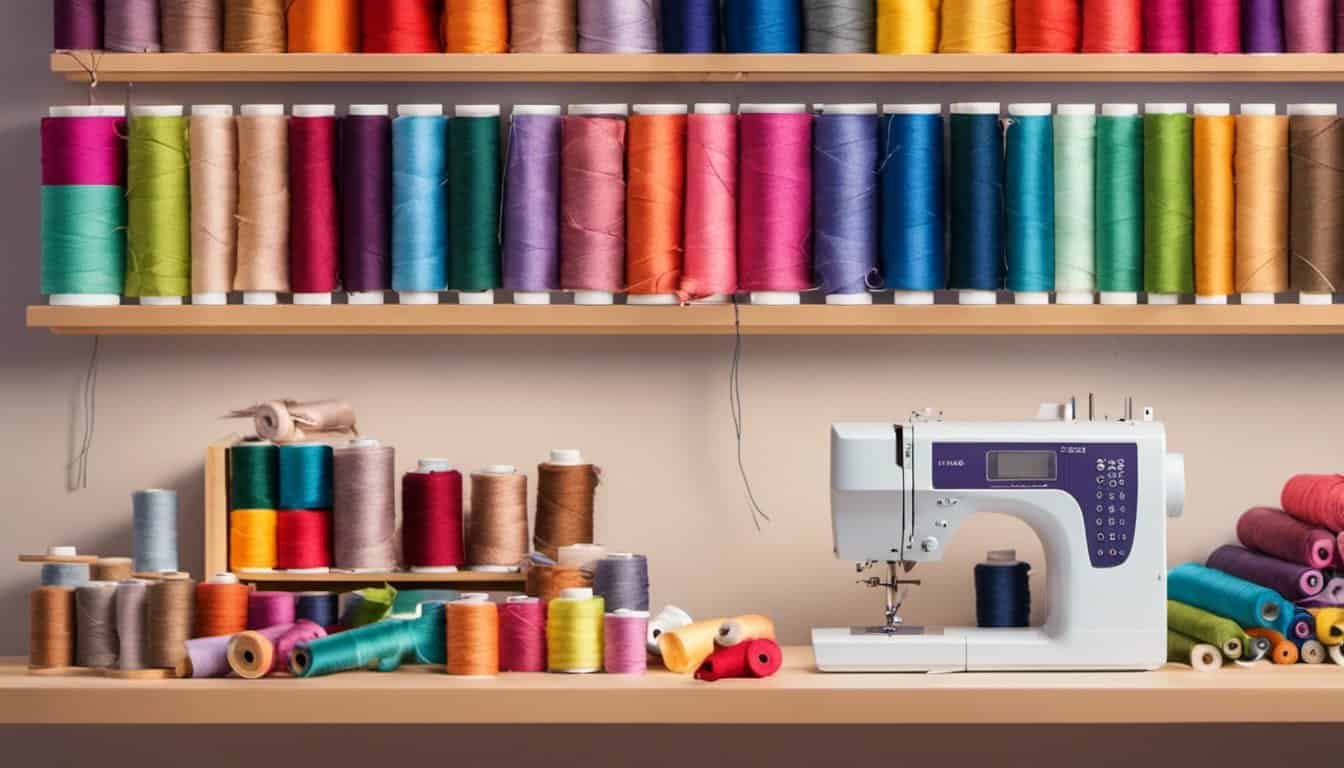
- Sewing machine: A reliable machine increases efficiency and precision in stitching.
- Needles: Use universal needles for woven fabrics and ballpoint needles for knits.
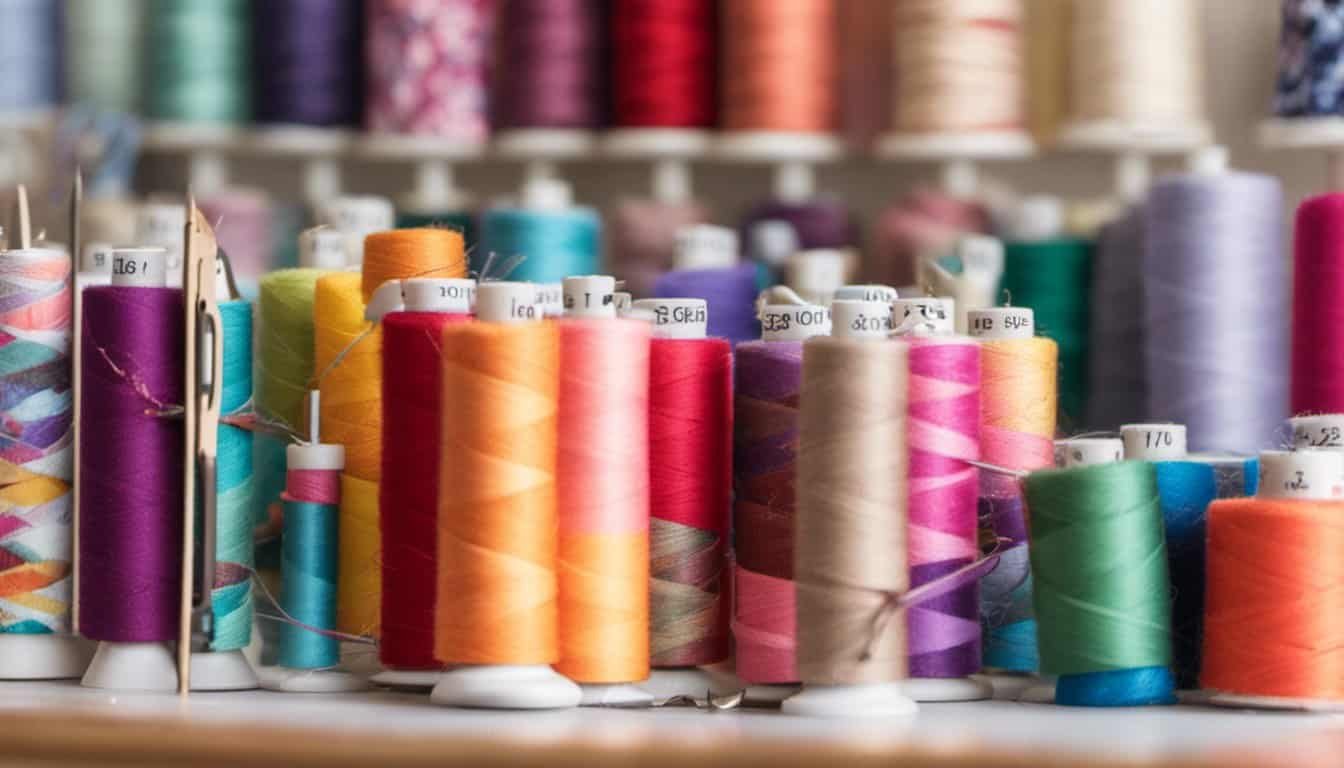
- Thread: Select high-quality thread that matches your fabric color for a seamless finish.
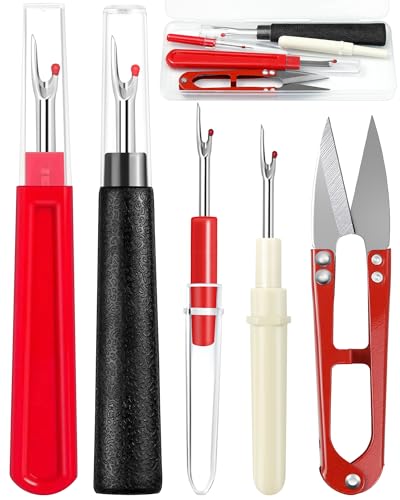
- Scissors: Sharp fabric scissors are necessary for clean cuts.
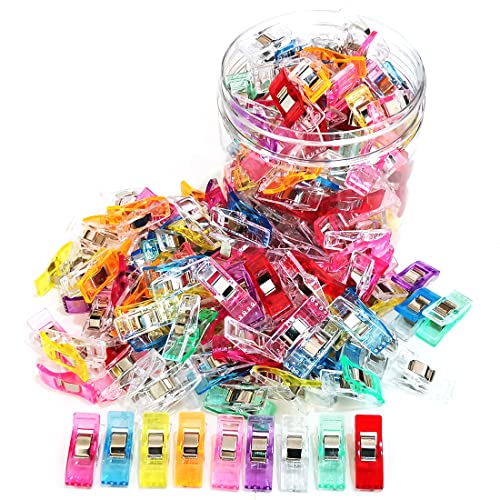
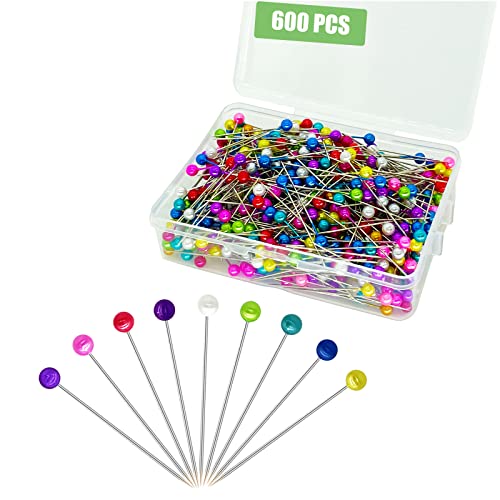
- Pins and clips: These help hold the fabric together while sewing, ensuring accuracy.
- Measuring tape: Accurate measurements are vital for achieving the perfect fit.
- Pattern paper: Draft a pattern for the sweetheart neckline to guide your cutting and sewing.
- Iron: A steam iron aids in pressing seams and shaping the neckline.
With these materials on hand, you’re set to start sewing a beautiful sweetheart neckline.
Preparing the Pattern
Preparing the pattern is a crucial step in creating a beautiful sweetheart neckline. I focus on choosing the right pattern and then modifying it to achieve the desired look.



Choosing the Right Pattern
Choosing the right pattern lays the foundation for a successful project. I look for patterns specifically labeled as having a sweetheart neckline. Common options include commercial patterns from brands like McCall’s or Vogue, which often provide clear lines and guidance. If I prefer drafting my own, I can use basic bodice patterns as a base. It’s essential to ensure the size accommodates my measurements; I often refer to size charts to select the best fit. Proper choices lead to favorable outcomes in my sewing endeavors.
Modifying the Neckline
Modifying the neckline transforms a standard pattern into a sweetheart neckline. I start by tracing the original neckline onto pattern paper. Next, I mark a smooth curve from the center front to each shoulder seam. I aim for a gentle dip at the center and a gradual slope towards the shoulders. Using a ruler helps maintain symmetry. After I’ve made the adjustments, I cut out the modified neckline, ensuring smooth edges for the fabric. I often double-check the fit by pinning the modified pattern to a sample fabric before cutting the final material. This step ensures the alteration captures the perfect shape.
Cutting the Fabric
Cutting the fabric correctly is key to creating a stunning sweetheart neckline. Attention to layout and cutting techniques ensures precision and enhances the overall quality of the finished product.



Layout Considerations
Layout choices affect how the fabric drapes. Start by prewashing the fabric to prevent future shrinkage. Fold the fabric, aligning selvedges and ensuring it lays smoothly. Place the pattern pieces on the fabric with grainlines parallel to the selvedge, allowing for the best drape. Consider the direction of any patterns or prints; positioning them symmetrically will enhance the neckline’s visual appeal. Pin the pattern pieces securely to prevent movement during cutting, ensuring accurate shapes.
Cutting Techniques
Using proper techniques creates clean edges and accurate shapes. Start with sharp fabric scissors to achieve smooth cuts. Cut around the neckline pattern, keeping the scissors perpendicular to the fabric surface for precision. Avoid stretching the fabric while cutting; maintain even tension to keep the shape intact. If you’re using intricate designs, consider utilizing a rotary cutter for cleaner edges. After cutting, double-check the pieces against the pattern before moving on to assembly, ensuring all shapes are accurate and match appropriately.
Sewing the Sweetheart Neckline
Sewing a sweetheart neckline requires precision and attention to detail. Once the pattern is prepared and fabric is cut, it’s time to begin stitching.
Stitching the Neckline
Stitching the neckline involves careful sewing to ensure a smooth curve. Start by placing the fabric pieces right sides together. Pin the edges of the neckline to secure them in place. Use a straight stitch to sew along the neckline edge, following the curve closely. For added accuracy, a stitch length of 2.5 to 3 millimeters works best.
After stitching, clip the curves to reduce bulk and allow for a smoother shape. Take care not to cut through the stitches; aim for the seam allowance instead. Turn the neckline right side out and press it gently with an iron. This step ensures a crisp and polished appearance.
Adding Interface for Structure
Adding interfacing adds structure and stability to the neckline. Choose a lightweight fusible interfacing that complements the fabric. Cut the interfacing pieces to match the neckline shape, ensuring they align with the edges.
To apply the interfacing, position it on the wrong side of the fabric and use an iron to fuse it in place, following the manufacturer’s instructions. The interfacing helps to prevent stretching and maintains the neckline’s shape. Once applied, continue with any additional finishing techniques, such as topstitching, to enhance the look of the neckline further.
Finishing Touches
Perfecting the sweetheart neckline includes careful attention to finishing touches. These steps elevate the overall look of your dress, ensuring it has a polished and professional appearance.
Hemming the Edges
Hemming adds a clean finish to the neckline and any raw edges. I recommend a narrow hem for a delicate look.
- Press the edge of the fabric to create a guideline.
- Fold and press 1/4 inch towards the inside, then fold again another 1/4 inch, securing it with pins.
- Use a straight stitch along the folded edge, keeping the stitch close to the inner fold for a subtle finish.
This method provides a neat edge and prevents fraying, enhancing durability.
Adding Lining
« Unlock the Secrets of Summer Style: Your Ultimate Guide to Working with Seersucker
Transform Your Jackets: Master the Art of Sewing a Notched Lapel Like a Pro »
Adding a lining provides structure and enhances comfort. It’s essential for a polished finish.
- Cut the lining pieces using the same pattern pieces, adjusting for the seam allowance.
- Sew the lining to the neckline, right sides together. Ensure alignment with the dress fabric.
- Trim excess fabric from the seam to reduce bulk, and clip curves.
- Turn the lining inward and press it carefully.
This step prevents any rough seams from rubbing against your skin and offers a professional look to the inside of the dress.
Conclusion
Sewing a sweetheart neckline can truly elevate your dress-making skills. I hope you feel inspired to give it a try and create something beautiful for yourself. Remember that practice makes perfect and every stitch brings you closer to mastering this lovely design.
Don’t hesitate to experiment with different fabrics and patterns to find what works best for you. With a little patience and attention to detail you’ll be able to craft a stunning neckline that showcases your personal style.
I can’t wait to see what you create. Happy sewing!