Sewing a fabric number chart is a fun and creative way to help kids learn their numbers while adding a splash of color to any room. I love combining crafting with education, and this project is perfect for anyone looking to make learning engaging. Whether you’re a seasoned sewist or just starting out, this project is simple and rewarding.
Understanding Fabric Number Charts
Fabric number charts serve as both a practical educational tool and a creative project. They enhance the learning experience while allowing for a personalized touch in crafting.
Importance of Number Charts in Crafts
Number charts play a significant role in early childhood education. They reinforce number recognition and counting skills through vibrant visuals. Engaging with fabric number charts helps children associate numbers with tangible items, making math tangible. The hands-on experience of crafting also bolsters fine motor skills. By sewing their number charts, kids develop patience, concentration, and creativity.
Different Types of Fabric Number Charts
Several styles of fabric number charts exist, each offering unique benefits:
- Simple Number Charts: Feature basic designs with numbers displayed prominently. Suitable for younger children, these charts emphasize visibility and straightforward learning.
- Interactive Number Charts: Include elements like pockets or removable pieces for an engaging experience. Kids can insert corresponding numbers, enhancing hands-on learning.
- Thematic Number Charts: Incorporate specific themes, like animals or colors, to make numbers more relatable. These charts enrich vocabulary while promoting creativity.
- Multilayered Number Charts: Combine different fabrics and textures. Allowing children to explore sensory experiences alongside number learning fosters curiosity.
Each type of fabric number chart promotes learning through creativity. Selecting the appropriate style depends on the child’s interests and educational needs.
Materials Needed for Sewing
Creating a fabric number chart involves selecting the right materials to ensure your project is both functional and visually appealing. Below are the key components needed to get started.
Choosing the Right Fabric
Selecting durable and colorful fabric enhances learning and durability. I recommend using cotton fabric for its versatility, as it’s easy to sew and clean. Felt fabric offers another option; it’s soft and sturdy, making it ideal for numbers that stand out. Choose vivid colors to attract kids’ attention and stimulate interest, while ensuring that the fabric is washable to withstand lots of use.
Required Tools and Accessories
Gathering the necessary tools and accessories streamlines the sewing process. Here’s a list of essentials you’ll need:
- Sewing machine: A reliable machine helps achieve neat seams.
- Fabric scissors: Sharp scissors ensure clean cuts.
- Measuring tape: Accurate measurements prevent fabric waste.
- Pins or clips: These help hold fabric pieces together while sewing.
- Iron: Pressing fabric smooths out wrinkles and helps with precise sewing.
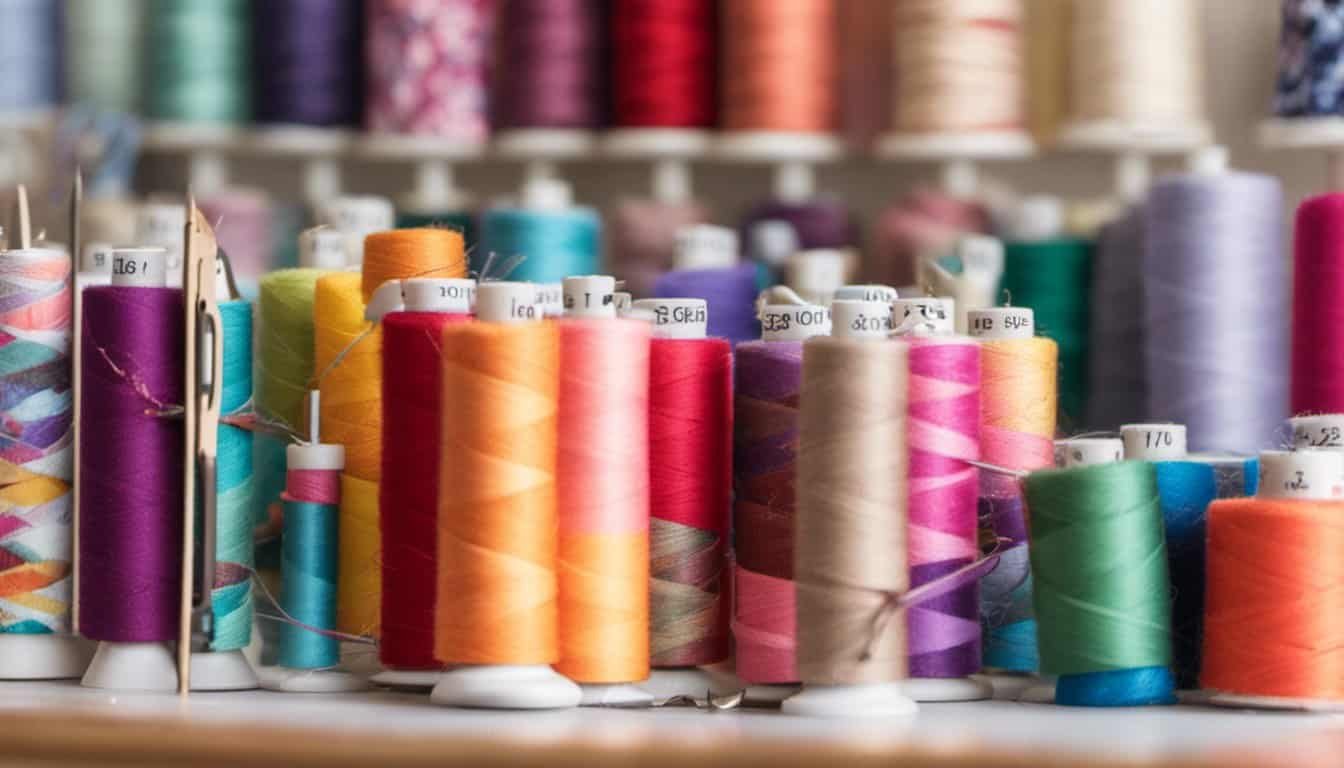
- Thread: Use strong polyester or cotton thread that matches your fabric colors.
- Number templates: Pre-made templates or a printer assist in creating uniform numbers.
With these materials in hand, you’re ready to embark on your sewing project, blending creativity with education.
Step-by-Step Guide to Sewing a Fabric Number Chart
Creating a fabric number chart involves a few straightforward steps. I’ll outline the process clearly for you, ensuring it’s easy to follow.
Preparing the Fabric
First, gather your fabric materials. I prefer using cotton for its durability and vibrant colors. Cut the fabric into the desired size for the chart. For instance, standard dimensions like 24 inches by 36 inches work well. After cutting, iron the fabric to remove wrinkles, ensuring a smooth surface for sewing. Mark a grid lightly with a fabric pencil or chalk, indicating where each number will go. Use a ruler for even spacing, which helps maintain a neat appearance.
Creating the Patterns
Next, create the number templates. I usually print numbers in a playful font at the desired size. Cut out the numbers from cardstock to form stencils. These templates assist in tracing onto the fabric. If you’re using different colors for each number, consider cutting the fabric pieces in varying shapes, such as squares or circles. This adds a decorative touch while also stimulating visual learning.
Assembling the Chart
After preparing the fabric and patterns, it’s time to assemble the chart. Pin or use fabric clips to secure the number pieces onto the base fabric according to your grid markings. I recommend double-checking their placement before sewing. Sew each number onto the chart using a straight stitch or zigzag stitch for added durability. If you included pockets or decorative elements, stitch those in place as well. To finish, sew a border around the chart for a polished look. This enhances the durability and helps the chart withstand frequent handling by kids.
Following these steps will lead you to a beautifully crafted fabric number chart, making learning numbers an enjoyable experience for children.
Tips for Personalizing Your Chart
Personalizing your fabric number chart enhances its appeal and makes it more meaningful for children. Here are some practical tips to add your unique touch.
Adding Colors and Designs
Adding vibrant colors and playful designs makes your number chart visually engaging. Choose fabrics with bright hues or fun patterns that reflect the child’s interests, such as animals, vehicles, or nature themes. Consider using contrasting colors for numbers to ensure visibility. For example, if using a light background, opt for bold, dark numbers. Use fabric paint or appliqué techniques to add decorative elements or embellishments around the numbers. Personalizing colors and designs creates an eye-catching chart that captures attention while reinforcing learning.
Incorporating Textures
Incorporating various textures can enhance the sensory experience of your number chart. Select fabrics with different textures, such as soft felt, sturdy canvas, or smooth cotton, to stimulate children’s tactile senses. Add elements like patches, buttons, or rickrack to create tactile markers that children can touch and explore. For instance, a felt number might feel soft, while a fabric with a shiny surface can introduce visual and tactile contrast. This sensory interaction not only engages children but also reinforces their learning through hands-on experience.
Conclusion
Sewing a fabric number chart is such a fun and rewarding way to blend creativity with education. I love how this project not only helps kids learn their numbers but also allows them to explore their artistic side.
As you embark on this sewing adventure, remember to let your child’s interests shine through. Personalizing the chart makes it even more special and engaging. The vibrant colors and textures can turn learning into an exciting experience.
« 7 Reasons Why Working with Chambray Will Change Your Fashion Game Forever
Transform Your Space: The Ultimate Guide on How to Sew with Ottoman for Stunning Textured Upholstery »
I can’t wait to see how your fabric number charts turn out. Happy sewing and teaching!