
If you’re a golf enthusiast like me, you know how important it is to keep your clubs protected. A custom fabric golf club cover not only adds a personal touch but also keeps your clubs safe from scratches and dings. Plus, it’s a fun project that lets you express your creativity while enhancing your game.
Materials Needed
Creating a custom fabric golf club cover requires specific materials. Gathering the right items ensures a smooth sewing process and a satisfying finish.
Fabric Selection
Choosing the right fabric is crucial for durability and aesthetics. Opt for these options:
- Fleece: Provides warmth and padding, ideal for protecting clubs.
- Cotton: Offers breathability and a variety of prints, perfect for personalization.
- Canvas: Adds strength and structure, useful for frequent use.
- Waterproof fabric: Protects against moisture, keeping clubs dry.
Selecting a fabric that combines both functionality and style enhances the overall appeal of the cover.
Tools Required
Having the right tools simplifies the sewing process. Gather these essentials:
- Sewing machine: Speeds up stitching and allows for precision.
- Scissors: Sharp, fabric scissors ensure clean cuts for the fabric pieces.
- Measuring tape: Facilitates accurate measurements for a snug fit on the clubs.
- Pins: Hold fabric layers together while sewing to avoid shifting.
- Thread: Choose color-matched or contrasting thread based on fabric selection.
- Iron: Helps smooth out wrinkles, ensuring even seams.
Collecting these materials and tools makes starting the project easier and more enjoyable.
Preparing the Fabric
Preparing the fabric is crucial for a successful golf club cover project. Attention to detail during this stage enhances both the appearance and functionality of the final product.
Measuring and Cutting
Measuring and cutting the fabric accurately ensures the cover fits snugly. Start by measuring the length and width of the golf club head. Use a measuring tape for precision. After measuring, add an extra inch to each dimension for seam allowances. Cut the fabric using sharp scissors to prevent fraying. Lay the fabric flat on a cutting surface to make straight cuts.
Creating a Pattern
Creating a pattern simplifies the sewing process. Use a large piece of paper to trace the measurements. Start with a rectangle for the main section: the width is the club head’s width plus seam allowance, and the length should match the club’s height. Cut out the pattern, then pin it to the fabric. This step ensures proper alignment when cutting the fabric. If you want decorative shapes, consider adding curves at the edges for a unique look.
Sewing Process
The sewing process transforms your chosen fabric into a unique golf club cover. This section provides detailed steps for assembling the cover and adding personal touches.
Assembling the Cover
Start by placing the fabric pieces right sides together. Align the edges carefully, ensuring a tidy finish. Pin the edges to prevent shifting while sewing. I recommend using a straight or zigzag stitch depending on the fabric type. Sew along the edge, maintaining a consistent seam allowance of about half an inch. After sewing, trim excess fabric at the seams for a neater appearance.
Next, turn the cover right side out. Gently push the corners out for a sharp look using a pencil or a turning tool. Press the cover with an iron to create crisp edges. If your design includes a hem, fold the bottom edge inward and stitch it down to secure it. This edge will provide a finished look while keeping the fabric from fraying.
Adding Personal Touches
Personal touches make the cover stand out. Consider using decorative stitching around the edges for an added flair. I enjoy using contrasting thread colors to create visual interest. Additionally, you can add appliqué designs or embroidered initials for a customized appearance.
For a unique look, attach patches or fabric embellishments that reflect your personality. Use iron-on adhesive for easy application, or sew them on for a more durable finish. Adding a small loop of fabric at the top of the cover makes it easier to grab and pull off when needed.
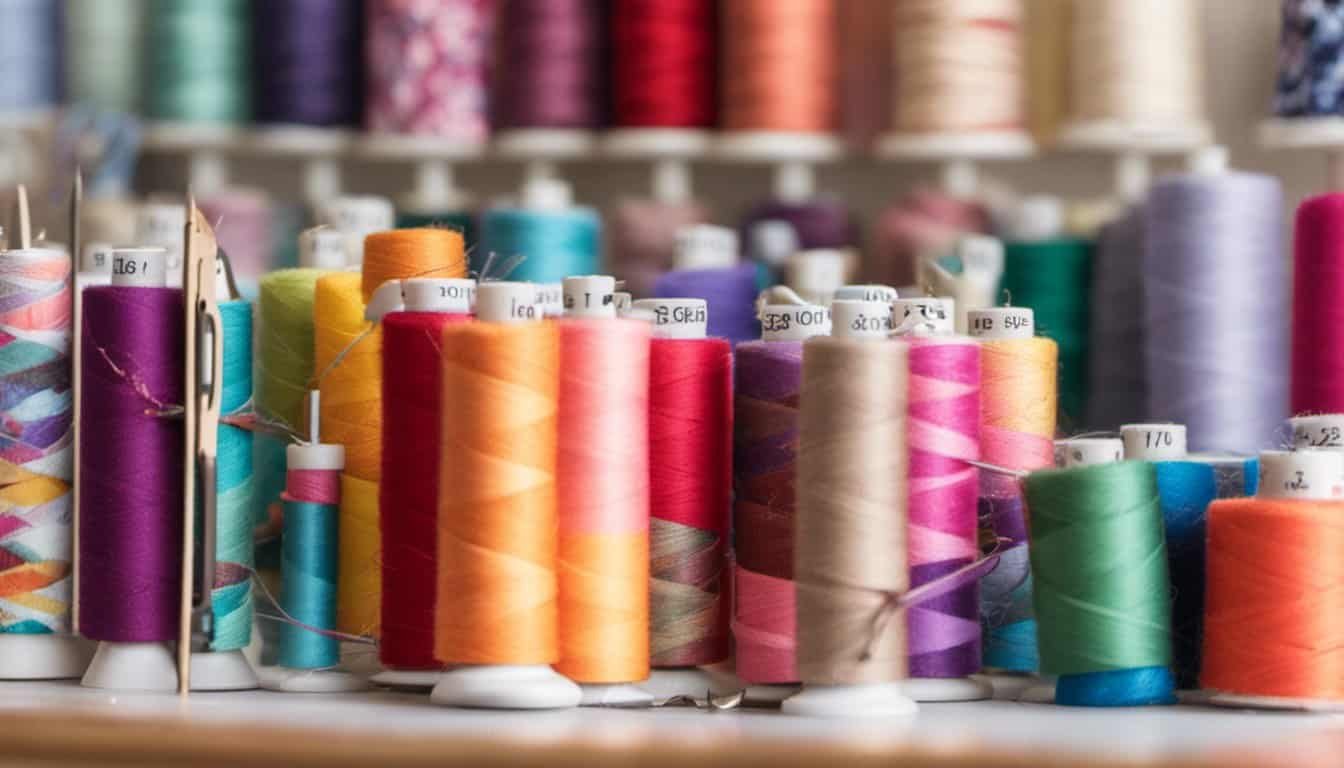
Combining functional design with personal elements elevates the aesthetics of your fabric golf club cover while maintaining its protective features.
Tips for a Successful Cover
Sewing a fabric golf club cover can be rewarding and fun with the right tips. Applying these strategies ensures a polished and lasting final product.
Common Mistakes to Avoid
- Neglecting Measurements: Always double-check club head dimensions for accuracy. Incorrect measurements lead to an ill-fitting cover.
- Ignoring Fabric Choice: Avoid selecting fabrics that are overly thin or delicate. Opt for durable materials that withstand wear and tear.
- Rushing the Cutting Process: Take time when cutting. Rushing increases the risk of uneven edges and wasted fabric.
- Skipping Pressing: Don’t underestimate the power of ironing. Press seams for crisp edges and a neat finish, enhancing the overall appearance.
- Overlooking Seam Allowances: Always add seam allowances when cutting fabric. Forgetting this step can result in covers too small to fit over the club.
Maintenance and Care
- Regular Cleaning: Machine wash cotton or fleece covers on a gentle cycle. Hand wash delicate fabrics to prevent damage.
- Check for Wear: Inspect your cover frequently for signs of wear. Repair small holes or frays immediately to prolong the cover’s lifespan.
- Air Dry: Always air dry covers to maintain shape and color. Avoid using a dryer to prevent shrinkage and fabric distortion.
- Store Properly: Store covers in a cool, dry place to prevent mildew. Avoid folding them in a way that causes creases or damage.
- Refresh Fabrics: For a fresh look, use a steam iron to remove wrinkles and restore the fabric’s original appearance.
Conclusion
Sewing your own fabric golf club cover is a rewarding project that combines functionality with personal flair. I’ve loved the process of selecting fabrics and adding unique touches that reflect my style. Not only do these covers protect my clubs but they also bring a bit of my personality to the course.
With the right materials and tools, you can create something truly special. Remember to take your time during each step from measuring to sewing. You’ll not only end up with a great-looking cover but also enjoy the satisfaction of making it yourself. So grab your sewing machine and let your creativity shine on the greens!