Ever torn a favorite shirt and felt the urge to toss it? Before you do, consider giving it a second chance. Repairing your clothes not only saves money but also helps reduce waste and promotes a more sustainable wardrobe.
With just a few simple techniques, you can fix those pesky holes and worn-out seams. Imagine breathing new life into your beloved garments and expressing your creativity in the process. You don’t need to be a sewing expert to get started—grab a needle and some thread, and you’ll be amazed at what you can achieve.
Assessing the Damage
Identify the type of damage to determine the appropriate repair technique. Common issues include tears, holes, missing buttons, and loose seams.
Evaluate the severity of each problem to prioritize repairs. Minor tears may require simple stitching, while larger holes might need patching or weaving.
Determine the best repair method based on the fabric type and damage extent. For example, delicate fabrics like silk need finer threads, whereas denim can handle thicker stitches.
Inspect the entire garment for additional issues to ensure a comprehensive repair. Addressing all problems at once saves time and maintains the garment’s integrity.
| Damage Type | Severity | Recommended Repair Method |
|---|---|---|
| Tear | Minor | Hand stitching or machine sewing |
| Hole | Moderate | Patching or fabric weaving |
| Missing Button | Minor | Sewing on a new button |
| Loose Seam | Moderate | Reinforcing with additional stitching |
Use appropriate tools and materials for each repair to achieve a durable fix. Having the right supplies ensures the garment returns to its original condition.
Basic Repair Techniques
Mending your clothes starts with mastering essential repair methods. These techniques help you extend the life of your garments effectively.
Sewing Stitches
Choose the right stitch for each repair to ensure durability:
- Running Stitch: Ideal for temporary fixes or lightweight fabrics, running stitch provides a simple seam.
- Backstitch: Offers a stronger hold, perfect for seams that endure stress, such as jeans or jackets.
- Overlock Stitch: Finishes edges neatly, preventing fraying on raw fabric edges.
- Blind Hem Stitch: Creates an invisible hem, suitable for dress pants or skirts where appearance matters.
Patching Holes
- Fabric Patches: Select a matching or contrasting fabric, depending on your style preference. Cut the patch slightly larger than the hole for coverage.
- Iron-On Patches: Convenient for quick fixes, iron the patch onto the fabric following the manufacturer’s instructions for a secure bond.
- Sewn Patches: Hand-sew or machine-sew the patch for a more permanent solution. Use small, even stitches around the edges to attach the patch seamlessly.
- Invisible Patches: Use a backing fabric and carefully align the patch to hide the repair from the outside, maintaining the garment’s original appearance.
Advanced Repair Methods
Enhance your mending skills with these advanced techniques. These methods ensure longer-lasting repairs and preserve your garments’ appearance.
Darning
Darning effectively repairs tears and holes in woven fabrics. Start by threading a needle with strong polyester or cotton yarn. Use a sturdy stitch pattern, such as the parallel or woven darn, to fill the damaged area. Stretch the fabric slightly as you work to maintain the garment’s shape. Darning integrates the repair seamlessly, making it ideal for areas like elbows, knees, and seat patches on pants.
Using Fabric Glue
Fabric glue offers a no-sew option for quick repairs. Apply a thin layer to the edges of a tear or hole, then press a fabric patch firmly over the area. Ensure the glue covers the entire patch perimeter to prevent fraying. Allow the glue to dry completely, following the manufacturer’s instructions for best results. Fabric glue works well for securing hems, attaching embellishments, and temporary fixes when you need a fast solution.
Essential Tools and Materials
Equipping your workspace with the right tools makes repairing clothes straightforward and efficient. Here are the essentials you need:
Sewing Kit
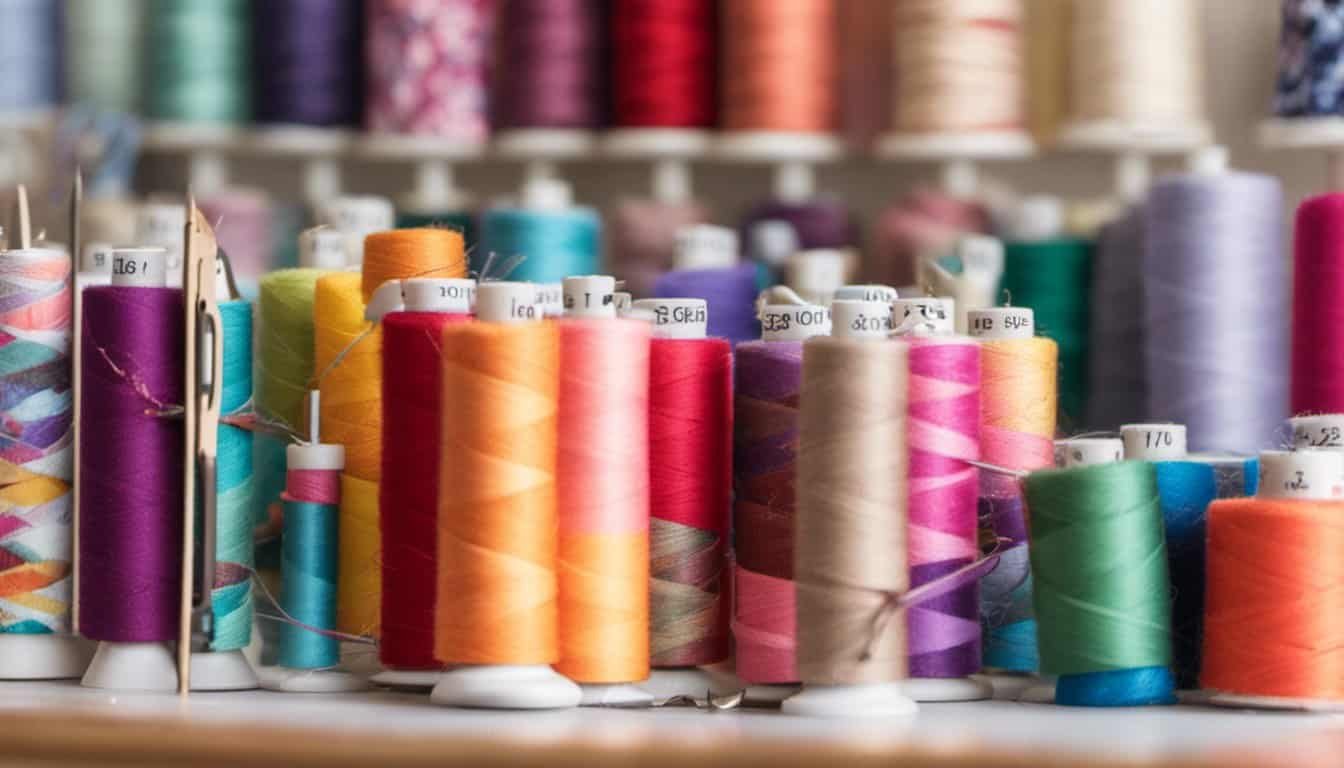
Include a variety of needles and threads to match different fabrics. Scissors for fabric and thread, a seam ripper for removing stitches, and pins to hold pieces in place are crucial. A tape measure ensures accurate measurements.
Patches
Choose between fabric patches for durability and iron-on patches for quick fixes. Sew or iron them based on the repair’s permanence and the garment’s fabric type.
Fabric Glue
Use fabric glue for no-sew repairs like securing hems or attaching embellishments. It provides a strong bond without the need for stitching, ideal for delicate fabrics.
Measuring Tools
A flexible tape measure and a clear ruler help achieve precise measurements. Accurate sizing prevents mistakes and ensures repairs blend seamlessly with the garment.
Button Kit
Keep a selection of buttons in various sizes and colors. A button kit with a holder, extra buttons, and a button shank simplifies replacing lost or broken buttons.
Hemming Tools
Tools like a hemming foot for your sewing machine and iron for pressing hems ensure professional-looking finishes. Proper hemming maintains the garment’s structure and appearance.
Seam Guard
« Unlock the Secrets: Expert Cultural Tips for Sewing African Wax Prints
10 Shocking Ways the Industrial Revolution Impacted Sewing »
Apply seam guards to reinforce stitches and prevent fraying. This material extends the life of seams, especially in high-stress areas like knees and elbows.
Chalk or Fabric Markers
Use chalk or fabric markers to mark repair areas and guide stitching. Clear markings enhance precision and consistency in your repairs.
Iron and Ironing Board
An iron and ironing board are essential for pressing seams, patches, and hems. Proper pressing sets stitches and ensures repairs lie flat against the fabric.
Needle Threader
A needle threader speeds up the threading process, reducing frustration and saving time. It’s especially helpful for those with vision challenges or fine motor skill difficulties.
| Tool | Purpose |
|---|---|
| Sewing Kit | Basic repairs and stitching |
| Patches | Fixing holes and reinforcing areas |
| Fabric Glue | No-sew repairs and securing embellishments |
| Measuring Tools | Ensuring accurate sizing and alignment |
| Button Kit | Replacing and securing buttons |
| Hemming Tools | Achieving professional hems |
| Seam Guard | Reinforcing seams and preventing fraying |
| Chalk/Markers | Marking repair areas and guiding stitches |
| Ironing Tools | Pressing and setting repairs in place |
| Needle Threader | Facilitating easy threading of needles |
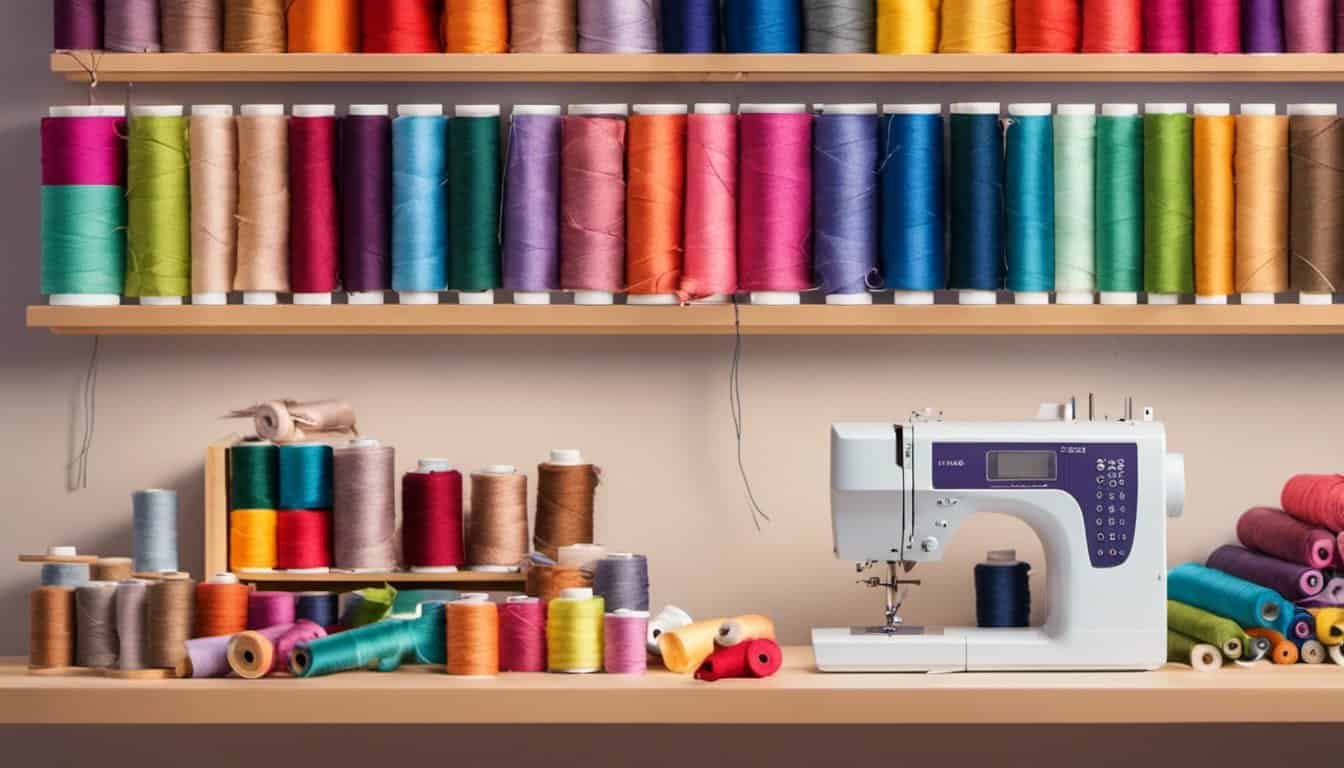
Having these tools and materials on hand prepares you for a wide range of clothing repairs, making the mending process efficient and effective.
Tips for Successful Repairs
Assess the Damage Accurately
Start by identifying the exact type and extent of the damage. Examine whether it’s a small tear, a missing button, or a loose seam. Prioritize repairs based on severity to ensure you address the most critical issues first.
Choose the Right Tools and Materials
Use appropriate tools such as sharp needles, strong threads, and quality patches. Selecting materials that match your garment’s fabric ensures repairs blend seamlessly with the original design.
Practice Essential Sewing Stitches
Master basic stitches like the running stitch, backstitch, and overlock stitch. Practicing these techniques on scrap fabric builds confidence and improves repair quality on actual garments.
Take Precise Measurements
Measure the area needing repair accurately before cutting patches or trimming threads. Precise measurements prevent mismatches and ensure a clean, professional-looking finish.
Use Proper Lighting and Workspace
Work in a well-lit area with ample space to maneuver. Good lighting reduces mistakes, and a clutter-free workspace makes the repair process smoother and more efficient.
Maintain Consistent Tension
Keep thread tension steady while sewing to avoid puckering or loose seams. Consistent tension ensures durability and maintains the garment’s structure after repair.
Reinforce High-Stress Areas
Strengthen areas that undergo frequent movement, such as elbows or knees, by adding extra stitches or using reinforcement patches. This prolongs the garment’s lifespan and prevents further damage.
Follow Fabric Care Instructions
After repairing, adhere to the garment’s care label instructions. Proper washing and drying techniques preserve the repair and the overall quality of the clothing.
Inspect Repairs Regularly
Periodically check repaired areas for signs of wear or loosening stitches. Early detection allows you to make timely adjustments, maintaining the garment’s integrity over time.
Seek Professional Help When Needed
For complex repairs or delicate fabrics, consider consulting a professional tailor or seamstress. Expert assistance ensures high-quality results and prevents potential damage from inexperienced handling.
Conclusion
Repairing your clothes not only helps your wallet but also makes a positive impact on the environment. By taking the time to mend your favorite pieces you extend their life and keep your wardrobe unique. With the right tools and a bit of practice you can handle most repairs yourself and enjoy the satisfaction that comes with it. Remember to assess each garment carefully choose the appropriate techniques and prioritize your repairs effectively. Embracing these skills allows you to create a more sustainable and personalized style. Start small and gradually take on more complex projects you’ll find that repairing clothes is both rewarding and empowering. Keep your wardrobe fresh and meaningful by giving your clothes the care they deserve