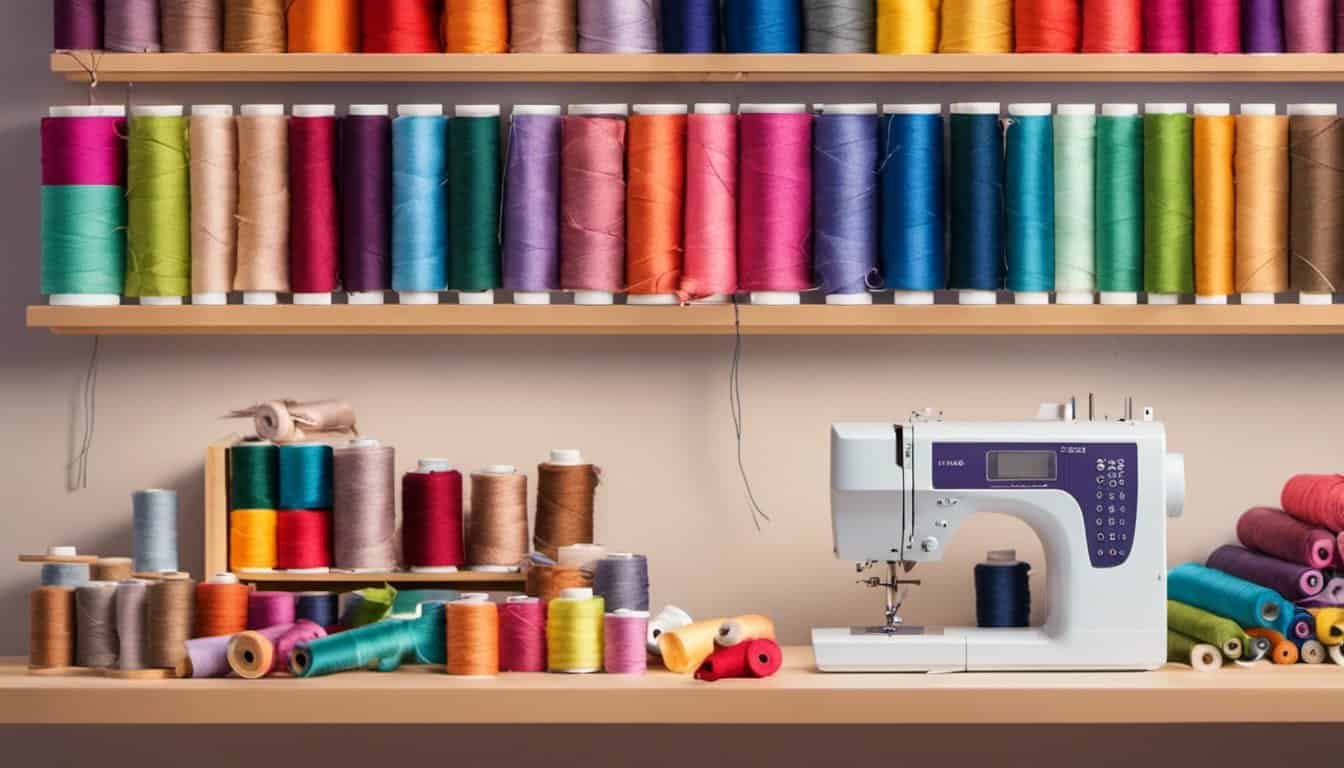
Sewing straight lines can feel tricky when you’re just starting out. I’ve been there, fumbling with fabrics and lines that never quite matched up. But with a bit of practice and the right techniques, you can master the art of sewing straight and precise seams right in the comfort of your own home.
In this article, I’ll share some of my favorite tips and exercises to help you improve your stitching accuracy. Whether you’re working on a simple project or diving into more complex designs, these strategies will boost your confidence and make sewing a more enjoyable experience.
Importance of Straight Sewing Lines
Straight sewing lines transform basic projects into professional-looking pieces. They enhance garment durability by ensuring seams align correctly, preventing fabric distortion. Accurate lines support precise pattern placement, essential for designs like tailored jackets and fitted dresses. Consistent stitching simplifies alterations and repairs, saving time and materials. Moreover, straight lines contribute to the overall aesthetic, making finished crafts visually appealing and well-crafted.
Essential Tools and Materials
To sew straight lines at home, having the right tools and materials is crucial. These essentials set the foundation for accurate and professional-looking stitching.
Choosing the Right Fabric
Selecting the appropriate fabric ensures ease of handling and precision in sewing straight lines. Here are key factors to consider:
- Fabric Weight: Lightweight fabrics like cotton and linen are easier to manage, while heavier fabrics like denim require more control.
- Fiber Content: Natural fibers offer better stitch visibility, essential for straight sewing. Synthetic fibers may need specific needles.
- Weave Type: Tight weaves prevent fabric distortion, aiding in maintaining straight lines. Loose weaves can shift, making stitching uneven.
- Stability: Fabrics with added stabilizers or interfacing maintain their shape, providing a reliable surface for straight stitching.
Selecting the Appropriate Needle and Thread
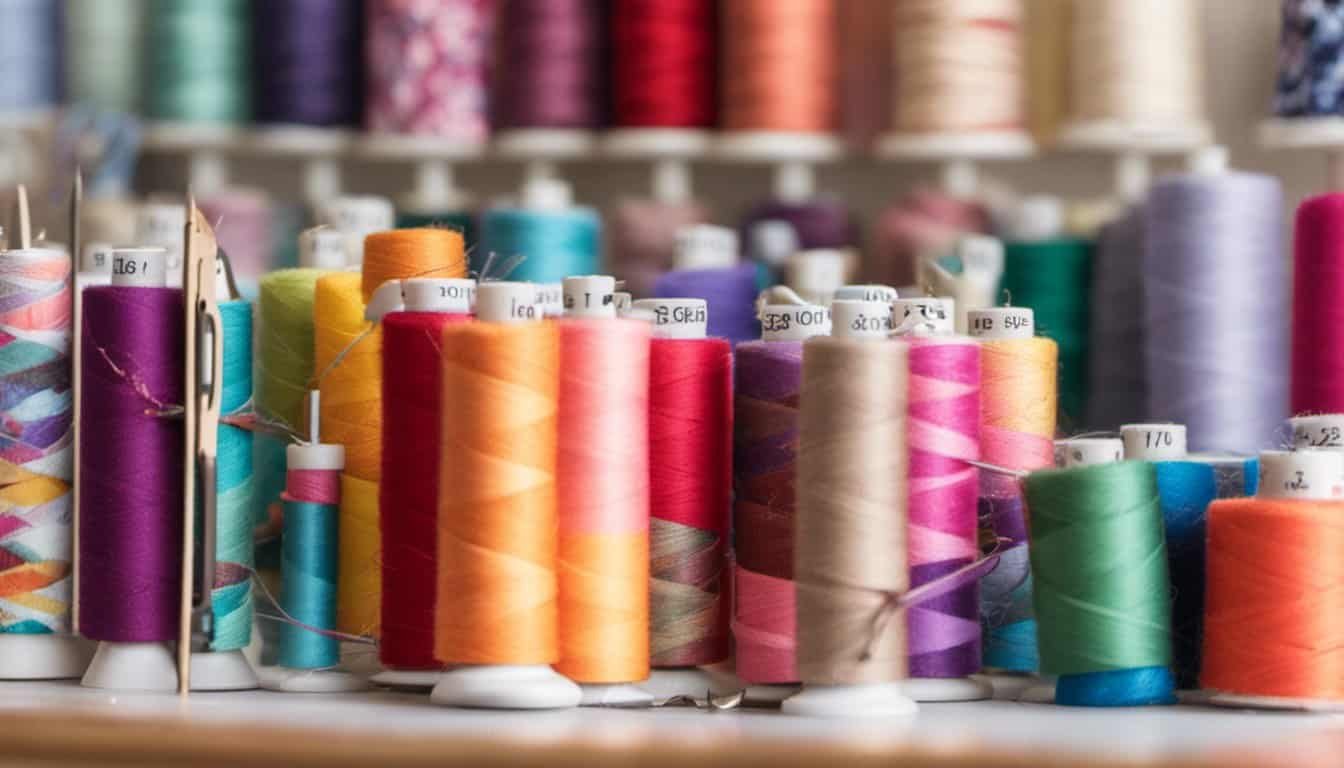
Using the right needle and thread combination enhances stitching accuracy and fabric compatibility. Consider the following:
- Needle Size:
- Number 8: Versatile for medium-weight fabrics like cotton and polyester.
- Number 10: Ideal for heavier fabrics such as denim and canvas.
- Microtex: Suitable for fine fabrics and precise stitching.
- Thread Type:
- Cotton Thread: Best for natural fabrics, offering durability and minimal stretch.
- Polyester Thread: Versatile and strong, suitable for most fabric types.
- Silk Thread: Provides a smooth finish for delicate fabrics but requires careful handling.
- Thread Weight:
- General Purpose: Suitable for everyday sewing projects.
- Heavy Duty: Required for thick or multiple layers of fabric.
| Needle Size | Suitable Fabrics | Recommended Thread Type |
|---|---|---|
| 8 | Cotton, Polyester | Cotton, Polyester |
| 10 | Denim, Canvas | Polyester, Heavy Duty |
| Microtex | Silk, Lightweight Fabrics | Silk, Fine Cotton |
Having the right combination of needle and thread not only improves stitch quality but also reduces the chances of skipped stitches and fabric damage.
Techniques for Sewing Straight Lines
Achieving straight lines enhances the professionalism of your sewing projects. Implement these techniques to ensure precision in your stitching.
Using a Sewing Machine Guide
A sewing machine guide maintains consistent fabric placement. Adjust the guide based on fabric type and project requirements. Align fabric edges with the guide to prevent deviations.
- Presser Foot Pressure: Set appropriate pressure to accommodate different fabric weights.
- Stitch Length: Select a stitch length that matches fabric stability and seam strength.
- Seam Allowance: Mark and maintain uniform seam allowances for accurate alignment.
Mastering Hand Sewing Techniques
Precise hand sewing requires steady technique and attention to detail. Control fabric tension and maintain even stitch spacing for straight lines.
- Consistent Stitch Length: Measure and replicate stitch lengths to ensure uniformity.
- Guided Fabric Movement: Move fabric smoothly, following marked lines or guidelines.
- Use of Markers: Apply fabric chalk or washable pens to outline stitching paths before sewing.
Common Mistakes and How to Avoid Them
- Skipping Fabric Preparation: Failing to pre-wash or press your fabric can lead to unexpected distortions. Always wash and press your fabric before sewing to ensure it stays flat and behaves predictably.
- Ignoring Seam Guides: Without using seam guides or chalk lines, it’s easy to veer off track. Utilize dedicated seam guides or fabric chalk to mark straight lines that keep your stitching aligned.
- Using the Wrong Needle or Thread: Selecting an incorrect needle or thread type can cause puckering or broken stitches. Match your needle and thread to your fabric type to maintain consistent, straight lines.
- Uneven Fabric Tension: Inconsistent tension can result in wavy stitches. Regularly check and adjust your sewing machine’s tension settings to ensure smooth, straight stitching.
- Rushing the Sewing Process: Moving too quickly can lead to inaccurate lines. Sew at a steady, controlled pace to maintain precision and straightness in your lines.
- Neglecting to Use a Walking Foot: Sewing layers or slippery fabrics without a walking foot can cause shifting. A walking foot helps feed the fabric evenly, preventing misalignment and ensuring straight seams.
- Improper Presser Foot Pressure: Too much or too little pressure can distort your stitching. Adjust the presser foot pressure according to your fabric’s thickness to keep your lines straight and even.
- Lack of Regular Maintenance: A poorly maintained machine can produce uneven stitches. Clean and lubricate your sewing machine regularly to keep it running smoothly and accurately.
- Forgetting to Backstitch: Not reinforcing the start and end of your stitches can cause seams to unravel. Always backstitch a few stitches at the beginning and end to secure your sewing line.
- Not Practicing Enough: Without regular practice, maintaining straight lines remains challenging. Dedicate time to practice on scrap fabric to build your skill and confidence in sewing straight lines.
Practice Projects to Improve Your Skills
Starting with simple projects builds confidence and sharpens your ability to sew straight lines. Here are some effective practice projects:
Straight-Line Pillowcases
Creating pillowcases helps you practice straight seams and consistent stitching. Choose a lightweight cotton fabric, measure standard pillow sizes, and sew straight lines to form the casing. Focus on maintaining even seam allowances for a professional finish.
Simple Tote Bags
Tote bags require multiple straight seams, reinforcing your stitching accuracy. Select a durable fabric like canvas, and follow a basic pattern. Sew the sides, bottom, and handles with straight lines, ensuring each seam aligns correctly for strength and aesthetics.
Fabric Strips for Quilting
Cutting fabric strips trains precision and consistency. Use a rotary cutter and ruler to make uniform strips of 1-inch width. Sew the strips into rows, maintaining straight lines and equal spacing. This practice enhances your ability to handle repetitive stitching tasks.
Button Purses
Button purses involve multiple straight seams and buttonholes. Choose a medium-weight fabric, and follow a straightforward pattern. Sew the main body with straight lines and add buttonholes, practicing both seam alignment and precise button placement.
Drawstring Cuffs
Drawstring cuffs require accurate stitching to ensure smooth operation. Select a stretchy fabric, measure the cuff length, and sew straight lines to create the casing. Focus on maintaining even stitching and correct seam allowances for functionality and appearance.
Magazine Holders
Magazine holders consist of straight lines and rectangular shapes. Use sturdy fabric, measure standard magazine dimensions, and sew the sides, bottom, and top with straight seams. This project reinforces your ability to sew precise rectangles and handle multiple straight lines.
Zipper Pouches
Incorporating zippers into pouches demands straight stitching for proper functionality. Choose a zipper length, select a suitable fabric, and follow a zipper pouch pattern. Sew straight lines for the pouch body and install the zipper with precision to ensure smooth operation.
Cloth Napkins
Cloth napkins involve hemmed straight edges and consistent sizing. Select a cotton or linen fabric, cut uniform squares, and sew straight hems around each edge. This practice enhances your ability to manage straight lines on smaller projects, improving overall stitching accuracy.
Fabric Baskets
« You Won’t Believe How Easy It Is to Sew a Simple Scrunchie in Just 10 Minutes
You Won’t Believe These 10 Easy Sewing Projects for Absolute Beginners! »
Fabric baskets combine straight seams and box shapes. Use a sturdy fabric, follow a basket pattern, and sew straight lines to form the base and sides. Incorporate handles or closures to add complexity, further refining your straight stitching skills.
Simple Skirts
Sewing a simple skirt involves multiple straight seams and measurements. Choose a fabric with appropriate weight, take accurate measurements, and follow a basic skirt pattern. Sew the straight lines for the side seams, waistband, and hem, ensuring each seam is even and aligned.
Engaging in these projects regularly hones your ability to sew straight lines, building the foundation for more complex sewing endeavors.
Conclusion
Mastering straight lines in sewing takes patience and practice but it’s so rewarding to see your projects come together neatly. I’ve found that with the right tools and steady techniques anyone can improve their stitching accuracy. Keep experimenting with different methods and projects and don’t be afraid to make mistakes—they’re all part of the learning journey. Happy sewing!