There’s something magical about watching birds flit around your garden, and creating a cozy home for them can be a delightful project. Making a fabric birdhouse cover not only adds a splash of color to your outdoor space but also offers protection from the elements. Plus, it’s a fun way to express your creativity!
Understanding Fabric Birdhouse Covers
Fabric birdhouse covers serve multiple purposes, enhancing both style and functionality. These covers add a decorative touch to birdhouses while offering protection against elements like rain, wind, and sun. Using durable, weather-resistant fabric ensures longevity and safety for the birds residing within.
Materials play a crucial role in crafting these covers. Selecting the right fabric, such as outdoor canvas or treated cotton, enhances durability. Using weather-resistant treatments further improves the fabric’s lifespan, safeguarding it from mold and fading.
Dimensions matter significantly. Properly measuring the birdhouse before cutting the fabric prevents excess material and ensures a snug fit. Darts or tucks can create a tailored look, accommodating the birdhouse’s unique shape while providing adequate coverage.
Patterns and colors offer endless possibilities. Choosing vibrant prints or soft pastels allows personalization, fitting the birdhouse into your garden aesthetic. Coordinating colors with surrounding plants or decor can create a harmonious outdoor space.
Installation varies. Some covers slip on easily, while others may require fastening systems like Velcro or ties. Ensuring a secure fit prevents the cover from blowing off in strong winds and protects the birdhouse occupants.
Regular maintenance keeps fabric birdhouse covers looking fresh. Cleaning the covers periodically and checking for wear and tear helps maintain their protective qualities. A simple wash on a gentle cycle is often sufficient, preserving both fabric and color.
By understanding these aspects, I can create functional, attractive fabric birdhouse covers that invite feathered friends into my garden while enriching the outdoor environment.
Materials Needed
Creating a fabric birdhouse cover requires specific materials for a successful project. I’ll detail the essential items, including fabric choices and tools.
Fabric Selection
Choosing the right fabric ensures durability and weather resistance. I prefer outdoor canvas or treated cotton for their sturdiness and ability to withstand the elements. Consider these aspects when selecting fabric:
- Weather Resistance: Look for UV-resistant fabrics to prevent fading.
- Weight: Choose a medium to heavy weight for stability in windy conditions.
- Pattern & Color: Vibrant designs enhance your garden’s look and attract more birds.
Tools Required
Having the right tools simplifies the process of making your fabric birdhouse cover. Gather the following items:
- Sewing Machine: Essential for stitching fabric pieces together efficiently.
- Rotary Cutter & Cutting Mat: Useful for precise fabric cutting.
- Measuring Tape: Ensures accurate dimensions for the birdhouse cover.
- Pins or Clips: Helps secure fabric pieces while sewing.
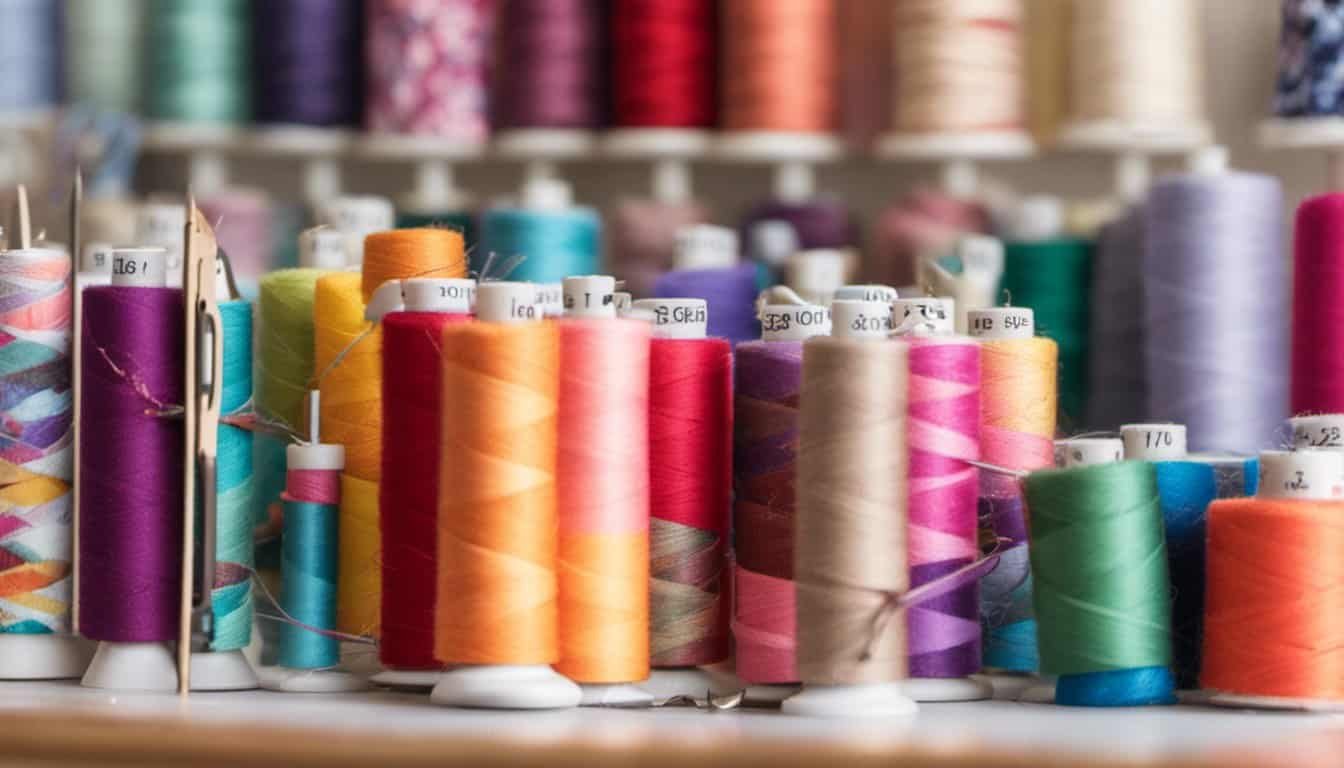
- Thread: Select color-matching or contrasting thread for decorative elements.
- Scissors: Necessary for finishing edges and trimming fabric.
By selecting quality materials and tools, I can create a beautiful and functional fabric birdhouse cover that enhances my garden and provides a cozy home for birds.
Step-by-Step Guide
Creating a fabric birdhouse cover combines creativity with practicality. Follow these steps to make a beautiful and functional cover for your feathered friends.
Preparing the Birdhouse
Clean the birdhouse thoroughly to remove dirt and debris. Ensure it’s dry and ready to fit snugly with the fabric cover. Inspect for any damage; repair as needed to create a safe environment for birds. Position the birdhouse in a location that’s accessible for your project.
Measuring and Cutting Fabric
Measure the dimensions of the birdhouse carefully, including height, width, and depth. Write down these measurements for accuracy. Cut fabric pieces according to your measurements, allowing an extra inch for hems. For instance, if your birdhouse is 8 inches tall and 6 inches wide, cut pieces measuring 9 x 7 inches to accommodate seams.
Sewing the Cover
Start sewing the fabric pieces together, beginning with the sides. Pin or clip the edges to keep them aligned while sewing. Utilize a sewing machine for straight seams; use a zigzag stitch to prevent fraying. Once the sides are attached, sew the top and bottom pieces in place. Reinforce seams with backstitching for added durability.
Adding Finishing Touches
Hem the edges of the cover for a clean look, folding the fabric under and sewing along the edge. Consider adding decorative elements, such as buttons or embroidery, to enhance the aesthetic. Attach Velcro or ties for secure closure, ensuring easy removal for cleaning. Finally, inspect the cover for any loose threads or imperfections before placing it back on the birdhouse.
Tips for Effective Birdhouse Covers
- Choose quality materials: Use outdoor canvas or treated cotton that withstands UV rays and moisture. These fabrics ensure a longer lifespan for the covers, protecting birds from harsh weather.
- Consider measurements carefully: Take accurate measurements of your birdhouse before cutting fabric. A snug fit prevents the cover from blowing away, offering better protection.
- Opt for vibrant colors: Select bright colors and patterns that not only enhance aesthetics but also create a whimsical touch in your garden. Birds are attracted to vivid colors, which may encourage them to visit.
- Use durable stitching techniques: Employ strong sewing techniques such as double stitching or zigzag stitches for added durability. These methods help the cover withstand wind and rain while ensuring seams remain intact.
- Incorporate easy access features: Design covers with openings or flaps for easy maintenance and cleaning. Regular upkeep keeps the birdhouse welcoming for future visitors.
- Add reinforced edges: Include hemmed or bound edges to prevent fraying and ensure a polished appearance. Reinforcements enhance overall durability and prolong the life of your cover.
- Experiment with different designs: Try various patterns or shapes for unique covers. Patchwork or appliqué can introduce creative flair, allowing you to showcase personal style.
- Secure with ties or Velcro: Use ties or Velcro strips for easy attachment and removal. Secure fastenings prevent the cover from slipping, ensuring lasting protection for the birds inside.
- Check regularly for wear and tear: Inspect the cover periodically for any signs of damage. Early detection of issues allows for timely repairs, keeping the birdhouse in good condition.
Implementing these tips ensures that fabric birdhouse covers not only add charm to gardens but also provide safety and comfort for our feathered friends.
Conclusion
Creating a fabric birdhouse cover is such a rewarding project. Not only do you get to express your creativity but you also provide a safe haven for birds in your garden. I love how these covers can transform the look of my outdoor space while offering protection from the elements.
« Unlock the Art of Sewing a Smocked Panel: Your Ultimate DIY Guide for Stunning Results
Unlock Your Creativity: How to Sew a Stunning Fabric Crystal Holder in Easy Steps »
Remember to choose durable materials and vibrant patterns that suit your style. With a little bit of time and effort, you can craft something truly special. Plus it’s a great way to connect with nature and enjoy the beauty of our feathered friends. So grab your supplies and get started on your own unique birdhouse cover. You’ll be glad you did!