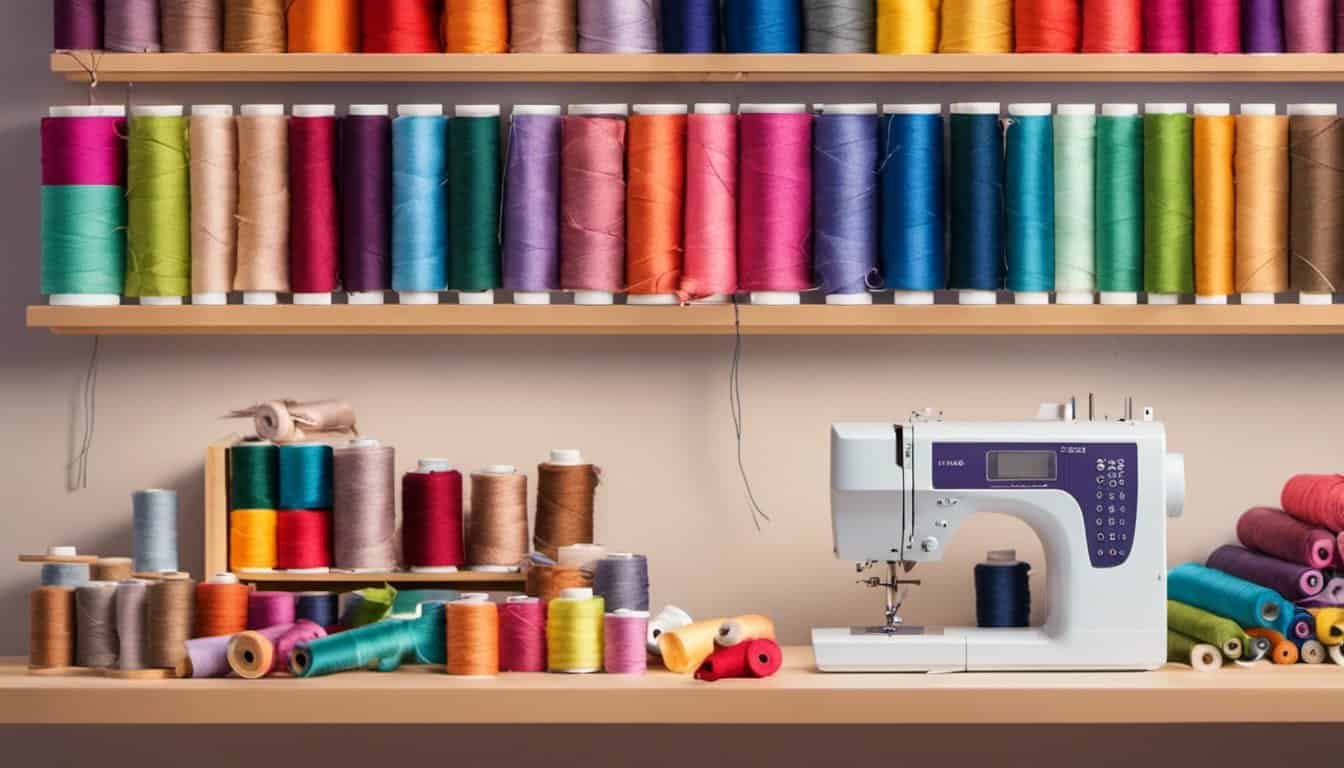
Adding binding to edges doesn’t have to be intimidating, even if you’re just starting out. I’ve been there, and I know how rewarding it feels to give your projects a polished finish. In this tutorial, I’ll walk you through the basics, making the process simple and achievable.
Overview of Adding Binding to Edges
Adding binding to edges enhances the durability and appearance of your projects. It covers raw edges, preventing fraying and giving a clean finish. Selecting the right binding material ensures compatibility with your fabric type. Measuring accurately guarantees sufficient binding length for your project’s dimensions. Attaching binding securely maintains the integrity of the finished edge. Whether using pre-made binding or creating your own, mastering these steps simplifies the process and improves your crafting skills.
Key Components of Binding
- Binding Materials: Fabric strips, pre-made binding, or bias tape.
- Tools Needed: Sewing machine, scissors, pins, and thread.
- Measurement Techniques: Accurate measuring for optimal binding length.
- Attachment Methods: Hand sewing or machine stitching for secure binding.
Benefits of Proper Binding
Proper binding offers several advantages:
- Enhanced Durability: Protects edges from wear and tear.
- Professional Finish: Provides a polished and clean look.
- Versatility: Suitable for various projects like garments, quilts, and home decor.
- Customization: Allows for creative expression through different colors and patterns.
Common Binding Techniques
Understanding different binding techniques is essential:
- Folded Binding: Creates a double-folded edge for a neat finish.
- Encased Binding: Wraps the binding around the fabric edge, securing both sides.
- Topstitched Binding: Stitches the binding on the top layer for added strength and decoration.
Troubleshooting Binding Issues
Address common challenges effectively:
- Uneven Edges: Ensure consistent fabric alignment before attaching binding.
- Puckering: Use appropriate tension settings on your sewing machine.
- Binding Lounges: Press the binding thoroughly to maintain a smooth appearance.
Tips for Beginner Crafters
- Choose Quality Materials: Select binding that complements your project’s fabric.
- Practice Precision: Measure and cut binding carefully to avoid mistakes.
- Use Guides: Utilize sewing guides or templates for consistent application.
- Take Your Time: Work slowly to ensure each step is completed accurately.
Step-by-Step Tutorial
In this section, I guide you through adding binding to edges with clear, actionable steps.
Understanding the Basics
Binding transforms raw edges by covering and securing them. It prevents fraying and enhances project durability. Key materials include:
- Binding tape: Available in various widths and colors.
- Thread: Choose a color that matches or complements your project.
- Tools: You’ll need scissors, pins, and an iron.
Accurate measurements ensure a seamless finish. Measure the perimeter of your project to determine the binding length. Square corners simplify attachment and reduce puckering.
Implementing Binding Techniques
Attaching binding requires precision and technique. Follow these steps for a professional finish:
- Prepare the Binding: Iron the binding strip to remove wrinkles. Fold the edges evenly on both sides.
- Align the Binding: Start at one corner, aligning the binding with the project edge. Use pins to secure in place.
- Sew the Binding: Stitch close to the project edge, maintaining even tension to avoid puckering.
- Turn and Press: After sewing, turn the binding to the back side. Press with an iron to set the stitches.
- Secure the End: Tuck in the final corner neatly. Stitch the end to ensure it stays in place.
Consistent stitching and careful alignment prevent common issues like uneven edges. Practice these techniques to build confidence and achieve a polished look in your projects.
Required Tools and Resources
| Tool/Resource | Description |
|---|---|
| Binding Tape | Choose a width that matches your project needs. Various colors and patterns offer customization options. |
| Fabric Scissors | Sharp scissors ensure precise, clean cuts for your binding and fabric. |
| Needle and Thread | Use a sturdy needle and durable thread that complements your binding color for seamless stitching. |
| Iron | Pressing the binding flat before sewing provides a professional finish and helps secure the edges. |
| Measuring Tape | Accurate measurements are crucial for cutting binding to the correct length, especially around corners. |
| Pins or Clips | Secure the binding in place before sewing to maintain alignment and prevent shifting. |
| Sewing Machine | While hand stitching is possible, a sewing machine speeds up the process and ensures even stitching. |
| Cutting Mat and Rotary Cutter | For precise and straight cuts, especially when working with multiple layers or larger projects. |
| Seam Ripper | Useful for correcting any mistakes during the binding process without damaging the fabric. |
| Lightweight Thread | Facilitates smooth stitching, reducing bulk and ensuring the binding lies flat against the fabric. |
Having these tools and resources on hand will streamline the binding process, making it easier to achieve a clean and durable finish on your projects.
Common Challenges and Solutions
Adding binding to edges can present several challenges. Here are common issues and their solutions:
- Uneven Edges
Inconsistent edge alignment affects the binding’s appearance. Use precise measuring tools and mark guidelines to ensure even edges before cutting and sewing.
- Puckering
Fabric puckers disrupt a smooth finish. Maintain even tension while sewing and use appropriate stitch lengths to prevent gathers.
- Binding Shifting
Binding may move out of place during stitching. Secure the binding with pins or clips before sewing and press it firmly to stay aligned.
- Mismatched Colors
Inconsistent color matching can detract from the project. Choose binding colors that complement the fabric and test samples to ensure a cohesive look.
- Difficulty Handling Corners
Binding corners can cause bulk or misalignment. Gently fold the binding around corners and use clips to hold it in position, ensuring a clean bend.
- Inadequate Adhesion
Binding may not adhere properly, leading to loose edges. Apply consistent pressure with an iron during pressing and ensure stitches are tight and secure.
- Excess Fabric
Too much binding fabric creates bulk. Measure accurately and trim excess binding before attaching to maintain a sleek finish.
- Improper Fold Techniques
« How to Choose a Sewing Machine for Quilting Beginners: 7 Essential Tips
10 Secrets to Perfectly Sew a Satin Stitch for Embroidery Like a Pro »
Incorrect folding affects the binding’s neatness. Follow precise folding methods, pressing each fold to create sharp, clean edges.
By addressing these common challenges with precise techniques and careful attention, you can achieve a professional and polished binding on your projects.
Tips for Beginners
- Choose the right binding material, such as cotton for lightweight fabrics or nylon for heavier projects.
- Measure accurately by doubling the binding width and adding extra for corners.
- Cut binding strips precisely, ensuring straight edges to prevent uneven finishes.
- Press your fabric edge before attaching binding to achieve a crisp base.
- Align the binding carefully with the project edge, using pins or clips to secure it in place.
- Sew with consistent tension to avoid puckering or loose stitches.
- Handle corners with care, folding binding neatly to create sharp, professional-looking angles.
- Practice on scrap fabric to build confidence and technique before working on your main project.
- Organize your materials, keeping binding strips separated by color and pattern for easy selection.
- Use quality tools, like sharp scissors and a reliable iron, to enhance the binding process and final appearance.
Conclusion
I’m excited for you to start adding binding to your edges. It’s amazing how a simple technique can transform your projects.
Don’t be afraid to experiment and make it your own. Enjoy the process and happy crafting!