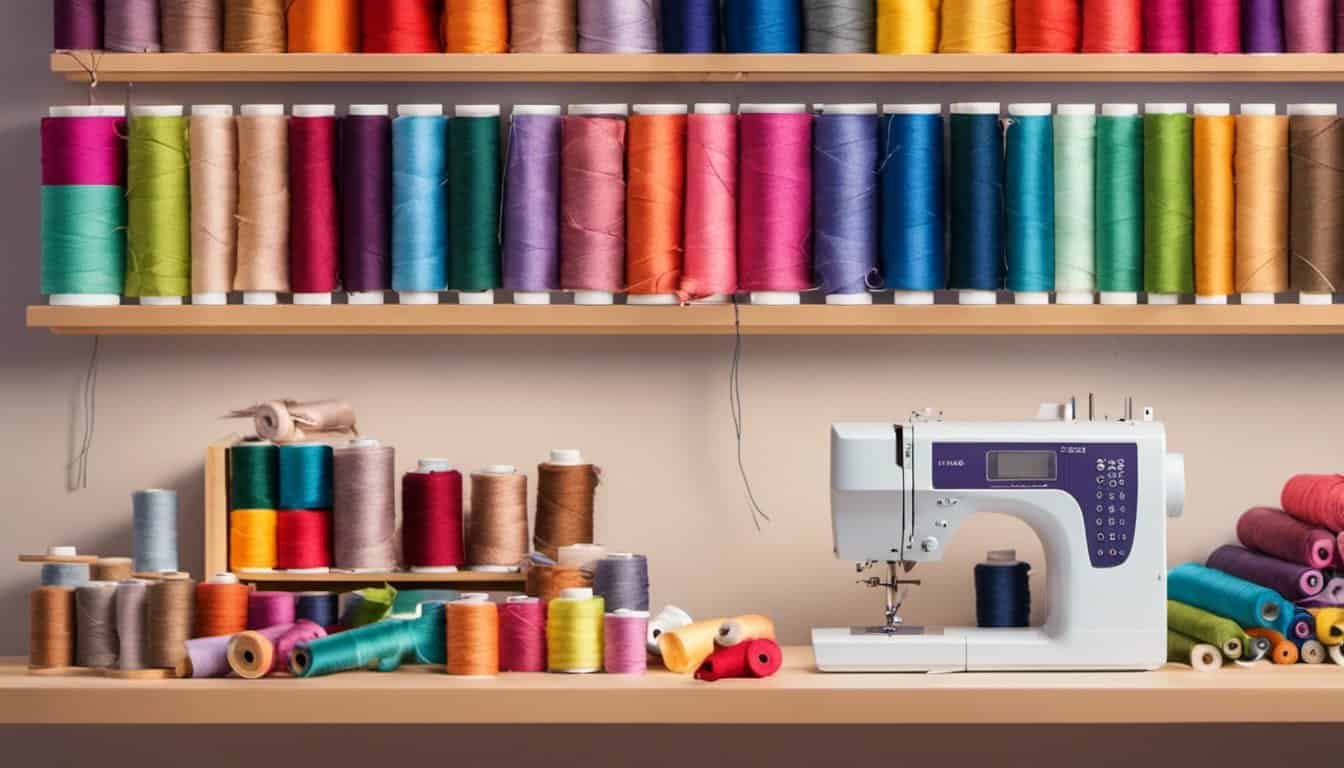
There’s something special about spending time outdoors, and a comfy camping chair can make all the difference. But let’s be honest—those mass-produced chair covers can lack personality. That’s where sewing your own fabric camping chair cover comes in! It’s not just a fun project; it’s a chance to express your creativity and ensure your chair stands out at the campsite.
Materials Needed
Sewing a fabric camping chair cover requires specific materials to ensure durability and comfort. Here’s a list of essential supplies you’ll need for this fun project.
Choosing the Right Fabric
Choosing the right fabric sets the tone for your camping chair cover. Opt for:
- Outdoor upholstery fabric: This fabric resists fading and water, making it ideal for camping.
- Canvas: Durable and sturdy, canvas withstands wear and tear.
- Sunbrella: Known for its exceptional UV resistance and weather durability.
- Polyester: Lightweight and easy to clean, it’s suitable for various weather conditions.
Consider fabric weight when selecting. Heavier fabrics offer more durability, while lighter fabrics provide ease of handling.
Other Necessary Supplies
In addition to fabric, gather other necessary supplies for optimal results:
- Sewing machine: A standard machine suffices, but a heavy-duty model handles tougher fabrics well.
- Thread: Use polyester or nylon thread for strength and moisture resistance.
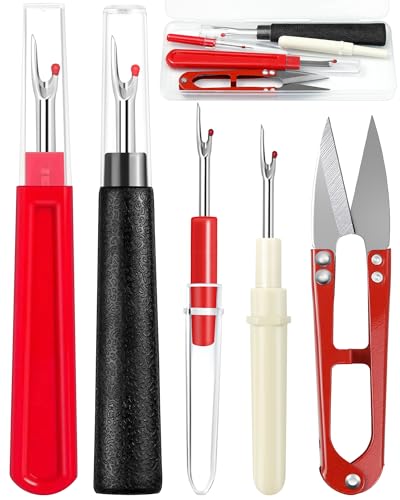
- Scissors: Invest in fabric scissors for clean, accurate cuts.
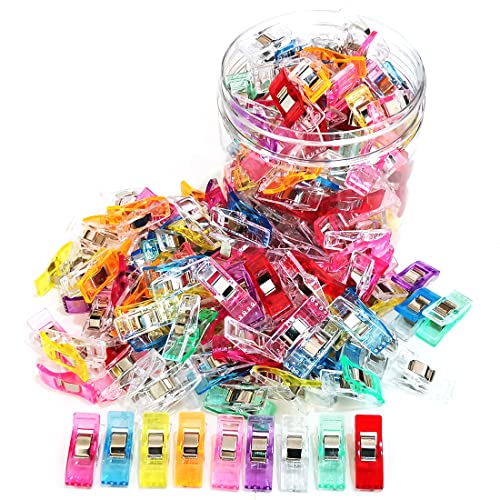
- Pins or clips: Secure fabric pieces together while sewing.
- Measuring tape: Accurate measurements ensure a proper fit.
- Sewing pattern: Either create your own or find downloadable patterns online.
- Iron: Press seams and fabric for a polished look.
Ensure you have each item before starting your project to streamline the sewing process.


Preparing the Chair
Preparing the chair ensures a smooth and successful sewing process for your fabric camping chair cover. This stage involves precise measurements and removing any old covers for a clean start.
Measuring the Dimensions
Measuring the chair’s dimensions accurately helps create a perfectly fitting cover. I recommend starting with these steps:
- Measure width: Measure from one side of the seat to the other.
- Measure depth: Measure from the front to the back of the seat.
- Measure height: Measure from the ground to the top of the backrest.
- Consider armrests: If your chair has armrests, measure their height and width to ensure the cover accommodates them.
Note all measurements clearly, as they’re crucial for cutting the fabric correctly.



Removing Old Covers
Removing old covers prevents any bulkiness and allows for a tidy project. Follow these steps for effective removal:
- Identify fasteners: Check if the old cover attaches with Velcro, snaps, or zippers.
- Carefully detach: Remove the fasteners gently to avoid damaging the chair.
- Inspect fabric: Examine the old cover for any useful elements, such as pockets or straps, that could be incorporated into the new design.
This process prepares the chair for its fresh, new cover and simplifies the sewing experience.
Sewing the New Cover
Sewing a new cover for your fabric camping chair presents an exciting opportunity to personalize your outdoor experience. The process involves precise cutting and effective sewing techniques that ensure a perfect fit and durability.
Cutting the Fabric
Cutting the fabric accurately sets the foundation for your cover. Start by laying the fabric flat on a clean surface. Use the measurements recorded during preparation to mark the appropriate dimensions on the fabric.
- Measure Twice: Confirm the width and height before cutting to avoid mistakes.
- Use a Sharp Fabric Scissors: A sharp pair of fabric scissors ensures clean cuts.
- Follow a Pattern: If you have a sewing pattern, align it carefully. Pin the pattern to the fabric to prevent slipping.
- Cut with Precision: Cut along the marked lines steadily, ensuring straight edges for easier assembly later.
Sewing Techniques to Use
Using the correct sewing techniques ensures your chair cover is sturdy and functional.
- Straight Stitch: Utilize a straight stitch for the primary seams, ideal for joining pieces together securely.
- Zigzag Stitch: Use a zigzag stitch along the raw edges to prevent fraying, ensuring the integrity of your cover over time.
- French Seams: Consider French seams for a professional finish, especially if you’re using lightweight fabrics that might fray easily.
- Topstitching: Enhance durability by topstitching along the seams. This adds strength and provides a polished look.
As you sew, keep the fabric taut, but not overly stretched. Adjust your machine settings according to the fabric type for the best results.
Adding Finishing Touches
After sewing the main parts of the camping chair cover, adding finishing touches elevates the project’s quality and functionality. These details enhance aesthetics and ensure practicality.
Hemming the Edges
Hemming the edges prevents fraying and provides a neat appearance. First, fold the raw edges inward about ¼ inch and press them with an iron. Next, pin the fold in place for sewing. Utilize a straight stitch along the hemline, ensuring to keep the fabric taut. If you opt for a double hem, repeat the folding process and stitch again for added durability. This method not only improves the look but also extends the lifespan of the fabric.
Adding Pockets or Features
Incorporating pockets or additional features boosts utility. Consider adding side pockets for essentials like snacks or tools. To create a pocket, cut a fabric piece, fold down the top edge, and stitch to form a hem. Attach it to the side of the chair cover by pinning and sewing it along the sides and bottom. Other features can include adjustable straps or ties for securing the cover to the chair. These enhancements make the camping chair more user-friendly and personalized, adding individual flair to your creation.
Tips for a Successful Project
Successful sewing projects require attention to detail and an understanding of common pitfalls. Here are some essential tips that can help ensure a smooth experience while sewing a fabric camping chair cover.
Common Mistakes to Avoid
- Ignoring Measurements: Measure multiple times before cutting to avoid excess fabric or misfit issues, ensuring a snug cover.
- Choosing the Wrong Fabric: Opt for fabrics unsuitable for outdoor use; prioritize durability and weather resistance to ensure the cover lasts.
- Neglecting Seam Reinforcement: Skipping zigzag stitching can lead to fraying edges; securing seams properly extends the life of the cover.
- Rushing the Sewing Process: Hurrying through the sewing steps can lead to mistakes; take your time to achieve clean, precise stitches.
- Forgetting to Pre-Wash Fabric: Not pre-washing fabric can result in shrinkage; washing beforehand helps maintain the chair cover’s shape and size after initial use.
Maintenance and Care
« Unlock the Timeless Charm: How to Work with Toile for Classic Prints Like a Pro
Unlock Perfect Quilts: Expert Tips for Solving Uneven Quilting Lines You Need to Try »
Maintaining a fabric camping chair cover extends its life and preserves its appearance.
- Regular Cleaning: Clean the cover according to the fabric care instructions; regular upkeep prevents dirt accumulation and keeps colors vibrant.
- Spot Treating Stains: Address stains promptly with appropriate cleaners to prevent permanent marks; use mild detergents suitable for outdoor fabrics.
- Avoiding Direct Sun Exposure: Protect the cover from prolonged direct sunlight, which can fade colors and weaken fibers; store it away when not in use.
- Inspecting for Wear: Check for signs of wear or damage regularly to address issues before they worsen; this helps maintain functionality and aesthetic.
- Reinforcing Weak Areas: Reinforce areas that experience frequent stress, like seams and edges; this proactive measure enhances durability.
By keeping these tips in mind, my fabric camping chair cover project will not only be visually appealing but also last through countless outdoor adventures.
Conclusion
Sewing your own fabric camping chair cover can be a rewarding and fun project. Not only do you get to express your personal style but you also create something practical for your outdoor adventures. With the right materials and a little patience you can transform a generic chair into a unique piece that stands out at the campsite.
As you embark on this sewing journey remember to take your time and enjoy the process. Each step brings you closer to a cozy spot to relax after a day of exploring. I can’t wait to see how your creations turn out and how they’ll make your camping experience even more enjoyable. Happy sewing and happy camping!