Are you ready to take your outdoor adventures to the next level? Sewing with ripstop nylon can transform your gear, making it more durable and reliable. Whether you’re crafting a backpack, tent, or custom patches, mastering this versatile fabric is a game-changer.
Understanding Ripstop Nylon
Ripstop nylon is a lightweight, durable fabric woven with a strong reinforcement technique that prevents tearing and ripping. This fabric features a crosshatch pattern, typically every 5 inches, enhancing its strength without adding significant weight. Ripstop nylon is available in various weights, measured in denier, ranging from 30D for lightweight applications like ultralight backpacks to 210D for heavy-duty items such as tarps and tents.
Key Characteristics
- Durability: Ripstop nylon resists tears and abrasions, making it ideal for rugged outdoor gear.
- Weight: Offers a balance between strength and portability, with different denier options catering to specific needs.
- Water Resistance: Often treated with waterproof coatings, providing protection against moisture during outdoor activities.
- Flexibility: Maintains its shape while allowing ease of movement, essential for items like backpacks and tents.
Common Uses
- Backpacks: Provides durability and reduces the risk of gear damage during hikes.
- Tents: Ensures long-lasting shelter that withstands harsh weather conditions.
- Custom Patches: Allows for personalized designs that maintain integrity despite frequent use.
- Tarps: Offers reliable protection for equipment and supplies in various outdoor settings.
Advantages Over Other Fabrics
Ripstop nylon outperforms standard nylon by incorporating a reinforcement pattern that significantly increases tear resistance. Compared to polyester, it generally offers superior lightweight properties and faster drying times, making it a preferred choice for high-performance outdoor gear.
Maintenance Tips
- Cleaning: Hand wash with mild detergent to preserve fabric integrity.
- Storage: Keep items dry and store in a cool, ventilated area to prevent mildew.
- Repairs: Use appropriate thread and reinforced stitching to maintain the fabric’s durability during repairs.
Understanding these aspects of ripstop nylon equips you to make informed decisions when selecting materials for your outdoor gear projects.
Essential Tools And Materials
To sew ripstop nylon effectively, gather the right tools and materials. This ensures your outdoor gear project turns out durable and reliable.
Selecting The Right Fabric
Choose high-quality ripstop nylon with a weight between 20 to 30 ounces per square yard. Look for fabrics with a tight weave pattern to enhance tear resistance. Consider water-resistant or waterproof variants for added protection. Verify the fabric’s UV resistance if your gear will be exposed to sunlight frequently.



Choosing The Proper Sewing Equipment
Equip your sewing workspace with essential tools tailored for ripstop nylon:
- Sewing Machine: Use a heavy-duty machine that handles thick fabrics.
- Needles: Select size 90/14 or 100/16 polyester needles for strength and durability.
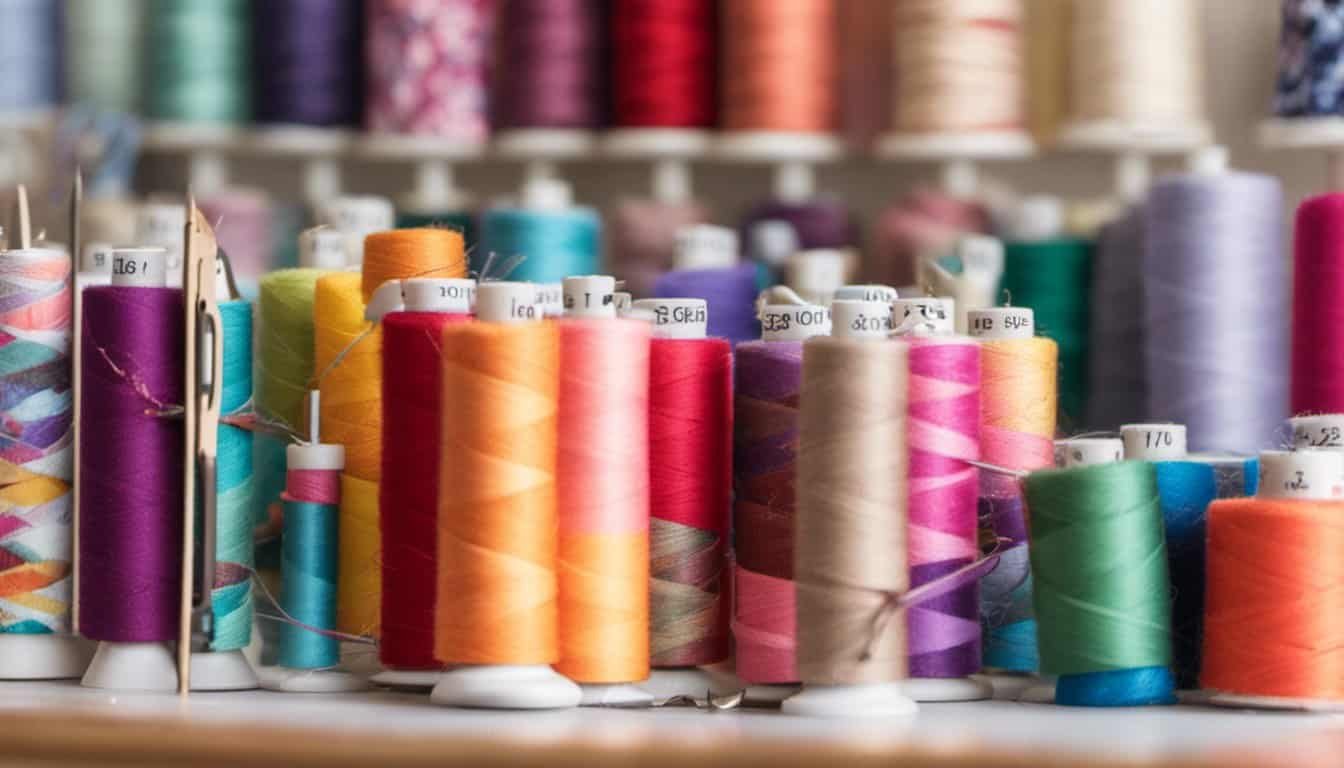
- Thread: Opt for strong, UV-resistant polyester thread to prevent breakage.
- Scissors: Invest in sharp fabric scissors to make clean cuts.
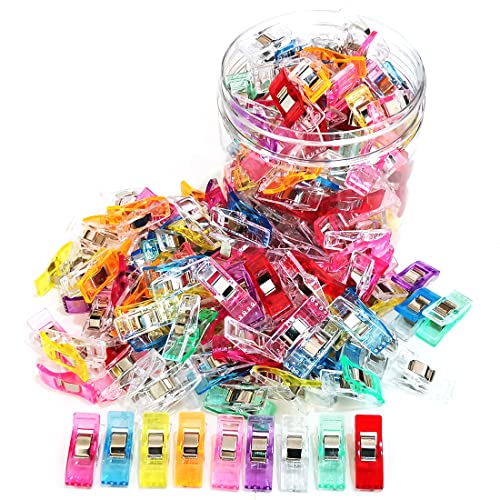
- Pins and Clips: Utilize nylon pins or clips to hold fabric pieces securely without damage.
- Cutting Mat and Rotary Cutter: Ensure precise measurements and straight cuts.
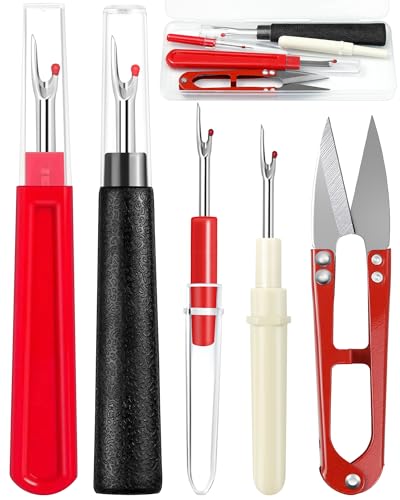
- Seam Ripper: Keep it handy for correcting mistakes efficiently.
- Measuring Tools: Use a fabric tape measure and ruler for accurate dimensions.
Having these tools ready simplifies the sewing process and enhances the quality of your ripstop nylon outdoor gear.
Preparing Your Fabric
Properly preparing your ripstop nylon ensures accurate cuts and smooth sewing. Follow these steps to get your fabric ready for your outdoor gear project.



Cutting Ripstop Nylon
- Measure Precisely: Use a tape measure to mark dimensions, adding a ½-inch seam allowance for each edge.
- Select Sharp Tools: Choose fabric scissors or a rotary cutter to achieve clean, straight cuts.
- Stabilize the Fabric: Place the nylon on a non-slip cutting mat to prevent shifting during cutting.
Handling And Prepping
- Pre-Wash the Fabric: Washing removes any finishes that might interfere with sewing and softens the material for easier handling.
- Iron Carefully: If needed, iron on a low heat setting using a pressing cloth to eliminate wrinkles without damaging the fabric.
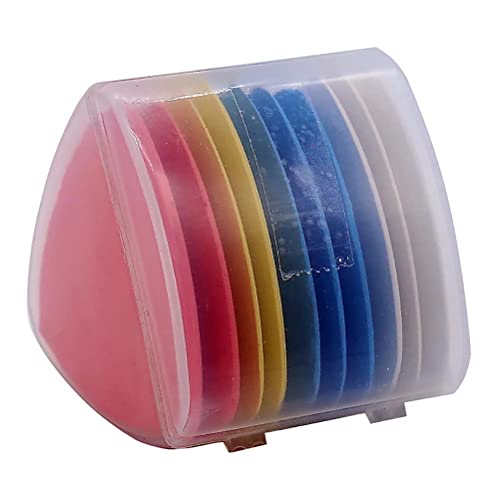
- Mark Cutting Lines: Use fabric-safe markers or chalk to outline your cutting lines, ensuring precision without leaving permanent marks.
Sewing Techniques
Mastering specific sewing techniques ensures your ripstop nylon gear stands up to outdoor challenges. Implement these methods to enhance durability and weather resistance.
Stitch Types For Durability
Selecting the right stitch type boosts the strength of your outdoor gear. Opt for the following stitches:
- Double-needle stitching: Uses two parallel rows of stitching, distributing stress and reducing the chance of seam failure.
- Flat-felled seams: Enclose raw edges, preventing fraying and adding extra strength, ideal for heavy-duty areas like backpack straps.
- Bar tacks: Reinforce high-stress points with tight, dense stitches, perfect for securing corners and attachment points.
- Backstitch: Provides a strong, continuous line of stitching, ensuring seams hold up under tension.
Use a stitch length between 2.5 to 3.0 mm for optimal balance between flexibility and strength. High-quality, UV-resistant thread enhances longevity by resisting sunlight degradation.
Sealing Seams For Weatherproofing
Protect your gear from moisture by effectively sealing seams. Follow these steps:
- Apply seam tape: Cover seams with waterproof tape designed for ripstop nylon, ensuring complete coverage to prevent water ingress.
- Use seam sealant: Brush or spray a specialized sealant over stitched areas, allowing it to cure according to manufacturer instructions for a watertight barrier.
- Heat sealing: For fabrics compatible with heat sealing, use a heat press to bond the seam tape firmly to the fabric, creating a durable, waterproof seal.
- Press seams: After applying sealant or tape, press seams with a hot iron to secure the sealant and enhance adhesion, following the sealant product guidelines.
Ensure all seams are thoroughly sealed, focusing on overlaps and areas exposed to direct moisture. Regularly inspect and maintain sealed seams to uphold weatherproofing integrity.
Assembly Tips For Outdoor Gear
Enhance your sewing projects with these assembly tips to ensure durability and functionality.
Designing Your Project
Start by sketching your gear, defining dimensions and features. Incorporate reinforced stress points where gear endures the most wear, such as straps and seams. Select patterns that maximize fabric usage, reducing waste and ensuring efficient construction. Choose closures like heavy-duty zippers or buckles that withstand outdoor conditions. Plan pocket placements for accessibility and balance weight distribution. Use templates to maintain consistency in shapes and sizes across different parts of your project.
Assembly Best Practices
- Double-Stitch Seams
Strengthen seams by sewing twice, especially on high-stress areas like straps and corners.
- Use Bar Tack Stitches
Apply bar tacks at stress points to prevent tearing and enhance durability.
- Reinforce Seams with Seam Tape or Sealant
After sewing, apply seam tape or sealant to make seams water-resistant and extend gear life.
- Press Seams Properly
« 10 Genius Tips for Working with Fleece to Create the Coziest Projects Ever
10 Must-Subscribe YouTube Channels for Sewing Tutorials You Can’t Miss »
Iron seams flat to ensure a smooth finish and reduce bulk, which improves comfort and functionality.
- Check Tension Settings
Adjust your sewing machine’s tension to match ripstop nylon, preventing puckering and ensuring strong stitches.
- Test Gear Before Use
Assemble all parts and test the gear in conditions similar to your intended use, making adjustments as needed for optimal performance.
| Best Practice | Purpose |
|---|---|
| Double-Stitch Seams | Increase seam strength |
| Use Bar Tack Stitches | Prevent tearing at stress points |
| Reinforce Seams | Enhance water resistance and durability |
| Press Seams Properly | Achieve a smooth, professional finish |
| Check Tension Settings | Avoid puckering and ensure strong stitches |
| Test Gear Before Use | Ensure functionality and make necessary tweaks |
Implementing these best practices during assembly ensures your outdoor gear is robust, reliable, and ready for any adventure.
Finishing And Maintenance
Proper finishing techniques enhance the durability of your ripstop nylon gear. Apply heat sealing to edges at 350°F for 10 seconds to prevent fraying. Reinforce stress points such as corners and strap attachments with double-needle stitching using UV-resistant thread for added strength. Attach closures like waterproof zippers or buckles securely, ensuring alignment for functionality.
Regular maintenance preserves the integrity of your gear. Clean ripstop nylon by wiping with a mixture of mild detergent and warm water. Avoid using bleach or fabric softeners, which can weaken fibers. Rinse thoroughly and allow the fabric to air dry completely before storage to prevent mold growth.
Store your outdoor gear in a cool, dry environment. Utilize breathable storage bags to minimize moisture buildup and protect against pests. Avoid folding heavy items to prevent permanent creases; instead, hang larger pieces like tents to maintain their shape.
Address repairs promptly to extend the life of your gear. For small tears, apply a matching ripstop nylon patch using a heat press or strong adhesive. For larger rips, sew a reinforced patch with a minimum of three rows of double-needle stitches and apply seam sealant to restore water resistance. Keep a repair kit with essential tools such as seam tape, fabric patches, UV-resistant thread, and a heat gun for on-the-go fixes.
Inspect your gear regularly for signs of wear. Check seams, closures, and high-stress areas for any damage. Re-seal seams every six months or after extensive use to maintain weatherproofing. Replace any compromised components immediately to ensure your gear remains reliable during outdoor activities.
By following these finishing and maintenance practices, your ripstop nylon outdoor gear stays functional and durable for countless adventures.
Conclusion
We hope you’re feeling confident about sewing with ripstop nylon. With its durability and versatility your outdoor gear projects are sure to stand up to any adventure.
Remember to take your time with preparation and choose the right tools to make your sewing experience smooth. Happy sewing and enjoy the great outdoors with your custom reliable gear!