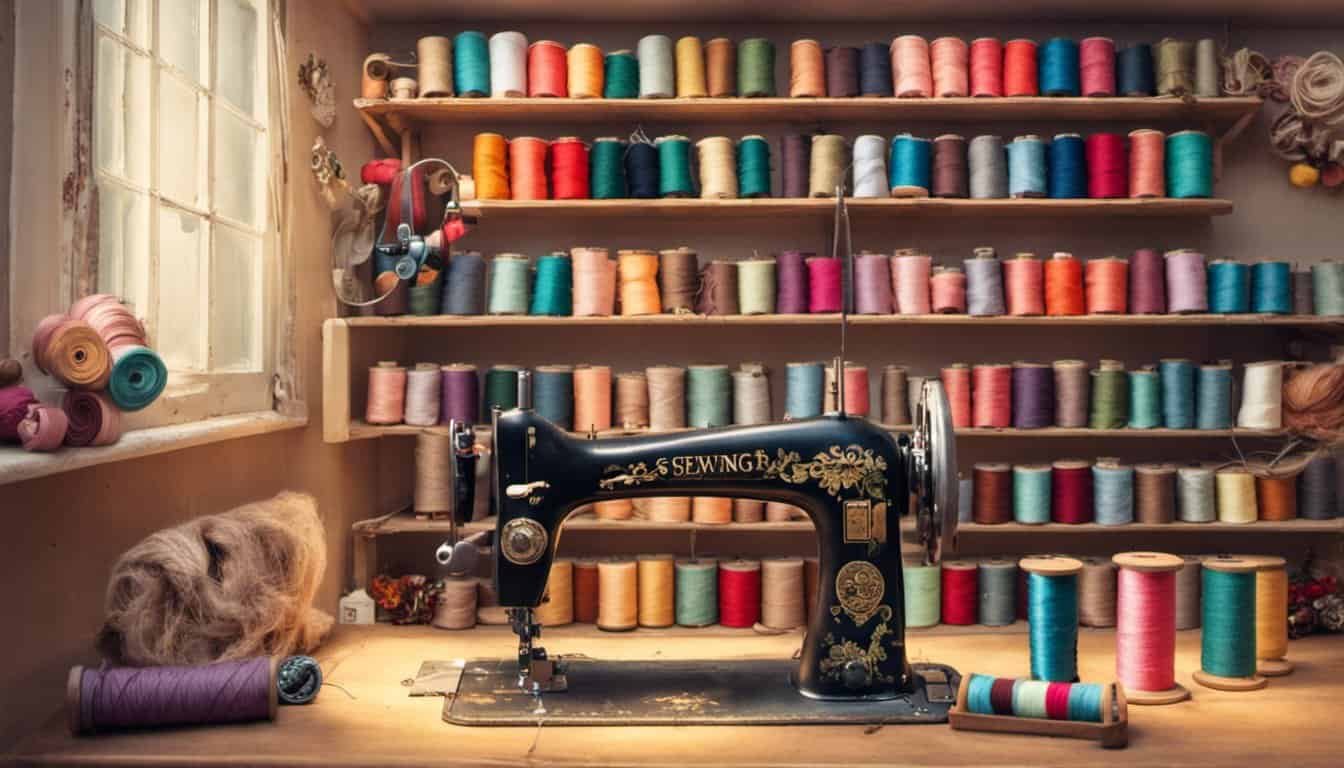
Sewing might not be the first thing that comes to mind when you think of hospitals, but it’s a crucial part of keeping things running smoothly. From crafting durable curtains to designing comfortable patient gowns, the right textiles can make a big difference in healthcare settings.
Imagine being able to provide hospitals with high-quality fabrics and tailored solutions that meet their unique needs. Whether it’s creating custom medical supplies or ensuring every stitch meets strict hygiene standards, your sewing skills can play a vital role in supporting those who take care of us every day.
By understanding what hospitals need and how you can supply it, you’re not just sewing fabric—you’re contributing to a healthier, more comfortable environment for patients and staff alike.
Importance of Sewing in Hospitals
Sewing plays a critical role in hospital operations by providing essential items that enhance patient care and streamline daily activities. Your sewing skills help create durable and functional products tailored to the unique needs of healthcare settings.
Durable Curtains and Blinds
Hospital curtains and blinds maintain patient privacy and control light exposure. High-quality stitching ensures longevity, reducing the need for frequent replacements and minimizing maintenance costs.
Comfortable Patient Gowns
Patient gowns require breathable fabrics and precise tailoring to ensure comfort and ease of movement. Well-sewn gowns support patient dignity and facilitate medical examinations and procedures.



Custom Medical Uniforms
Tailored medical uniforms enhance the professional appearance of healthcare staff. Your ability to create customized fits improves comfort and promotes a positive work environment.
Safety Equipment Components
Sewing is essential in producing components for safety equipment, such as masks, face shields, and protective clothing. Reliable construction ensures these items provide necessary protection against infections and contaminants.
Enhanced Hospital Aesthetics
Well-crafted textiles contribute to a welcoming and calming hospital environment. From upholstery to decorative elements, your sewing work helps create spaces that promote healing and reduce stress for patients and staff.



Hygiene and Sterility
Precision in sewing techniques ensures that all hospital textiles meet strict hygiene and sterility standards. High-quality seams and materials prevent contamination, safeguarding patient health and complying with healthcare regulations.
By focusing on these areas, your sewing expertise directly supports the efficiency and effectiveness of hospital operations, contributing to better patient outcomes and a smooth-running healthcare facility.
Essential Sewing Materials
To meet the specialized needs of hospitals, you require specific sewing materials. These materials ensure durability, hygiene, and functionality in medical environments.
Types of Fabrics
Choosing the right fabrics is crucial for hospital applications. Consider the following:
- Cotton: Soft, breathable, and easy to clean, ideal for patient gowns and bedding.
- Polyester: Durable and wrinkle-resistant, suitable for curtains and uniforms.
- Spandex: Provides elasticity, perfect for stretchable medical garments.
- Antimicrobial Fabrics: Prevent bacterial growth, essential for surgical masks and protective clothing.
- Water-Resistant Textiles: Protect against spills and fluids, used in aprons and protective barriers.
Necessary Tools
Equipping yourself with the right tools enhances precision and efficiency. Essential tools include:
- Industrial Sewing Machines: Handle heavy-duty fabrics and high-volume production.
- Serger Machines: Provide clean seams and strengthen edges for longevity.
- Overlock Machines: Finish edges to prevent fraying, important for durable hospital textiles.
- Embroidery Machines: Add logos and identifiers to uniforms and linens.
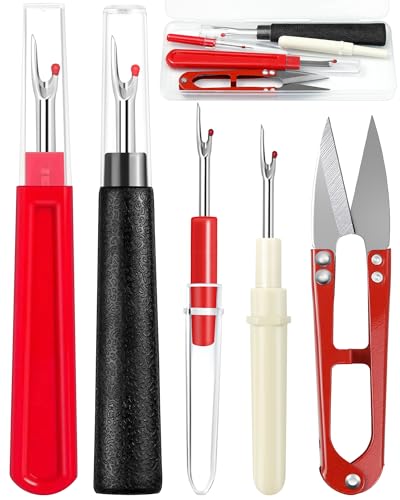
- Cutting Tools: High-quality rotary cutters and scissors ensure accurate fabric cutting.
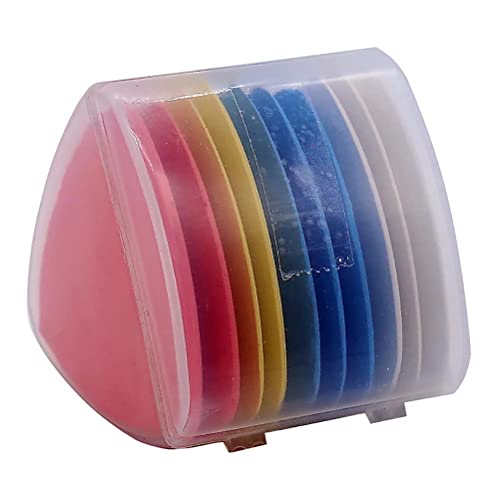
- Measuring Devices: Accurate rulers, tape measures, and pattern rulers for precise measurements.
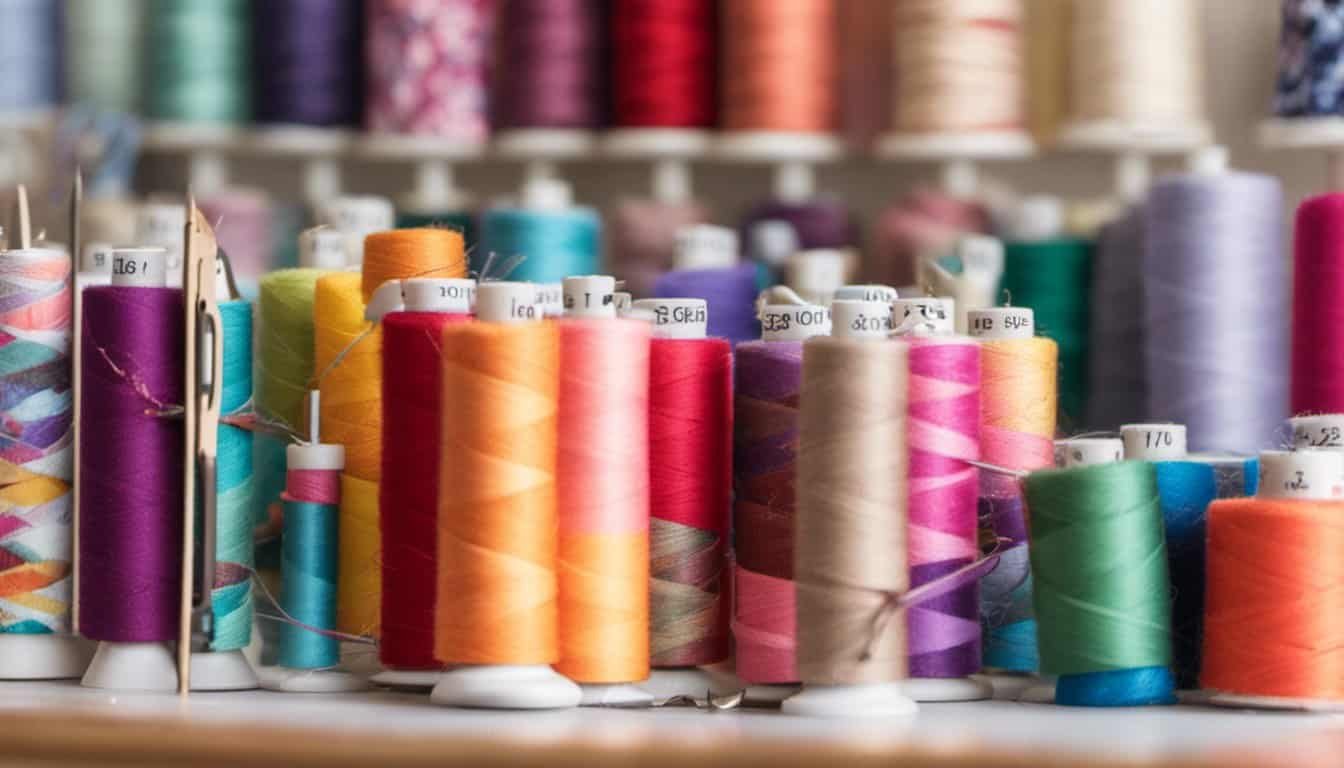
- Thread Selection: Strong, colorfast threads suitable for various fabrics and medical standards.
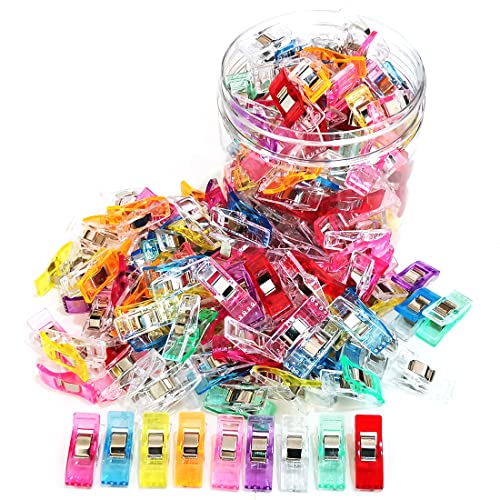
- Pins and Clips: Secure fabrics during the sewing process without leaving marks.
Having these materials and tools allows you to produce high-quality, reliable products that support hospital operations effectively.
Key Applications of Sewing
Sewing plays a vital role in various hospital operations, ensuring functionality and comfort for both patients and staff. Here’s how your sewing skills cater to essential hospital needs.
Medical Uniforms
Creating medical uniforms requires precision to meet both comfort and hygiene standards. Your work involves:
- Designing Functional Garments: Craft lab coats, scrubs, and surgical gowns using breathable, antimicrobial fabrics.
- Custom Fit Solutions: Ensure uniforms fit diverse body types by tailoring sizes and incorporating adjustable features.
- Durable Construction: Use reinforced stitching and high-quality materials to withstand frequent laundering and daily wear.
- Color Coding: Implement specific colors or patterns to identify different departments or roles within the hospital.
Hospital Decor
Enhancing the hospital environment through well-crafted decor contributes to a calming atmosphere. Your sewing applications include:
- Window Treatments: Produce durable curtains and blinds that control light and maintain patient privacy.
- Bed Linens: Create comfortable and easy-to-clean bed covers, pillowcases, and sheets using soft, hypoallergenic fabrics.
- Wall Hangings: Sew fabric wall art and banners that add aesthetic value without compromising hygiene standards.
- Storage Solutions: Design fabric storage bins and organizers to keep medical supplies neatly arranged and accessible.
| Application | Material Requirements | Key Features |
|---|---|---|
| Medical Uniforms | Antimicrobial cotton, polyester | Breathable, durable, easy-care |
| Hospital Decor | Waterproof fabrics, soft linens | Privacy control, aesthetic appeal |
Your expertise in sewing ensures that hospitals receive high-quality, functional products that support their operations and enhance the patient experience.
Compliance and Safety Standards
« Turn Leftover Fabrics into Fashion: How to Make a Patchwork Bag from Scraps
Unlock Seamstress Secrets: How to Use a Rotary Cutter for Sewing Like a Pro »
Compliance and safety standards ensure your sewing products meet hospital requirements. Adhering to these standards maintains patient safety and operational efficiency.
Key Standards
| Standard | Description | Relevance |
|---|---|---|
| FDA Regulations | Ensures materials are safe for medical use. | Required for all medical textiles. |
| ASTM International | Sets performance and durability criteria. | Applies to gowns, curtains, and bedding. |
| ISO 13485 | Quality management for medical devices. | Enhances product reliability and quality. |
| OSHA Guidelines | Maintains workplace safety standards. | Critical for staff uniforms and protective gear. |
| NFPA Fire Safety | Prevents fire hazards in textiles. | Applies to all fabric-based hospital materials. |
| Antimicrobial Standards | Reduces infection risks. | Essential for patient gowns and bedding. |
Material Compliance
Selecting fabrics that meet compliance standards is crucial. Antimicrobial materials comply with infection control requirements. Fire-resistant fabrics adhere to NFPA guidelines, ensuring safety in high-risk areas.
Quality Assurance
Implementing quality assurance processes guarantees products meet all safety standards. Regular testing verifies compliance with FDA and ASTM standards, maintaining high-quality sewing outputs.
Documentation and Certification
Maintaining proper documentation supports compliance verification. Obtaining ISO certifications demonstrates adherence to international quality standards, enhancing your credibility in the healthcare market.
Benefits for Healthcare Facilities
Investing in high-quality sewing solutions offers numerous advantages for healthcare facilities:
- Enhanced Patient Comfort
Comfortable patient gowns and bedding improve patient satisfaction and overall experience. Soft, breathable fabrics reduce irritation during treatments and recovery.
- Improved Hygiene and Safety
Antimicrobial and water-resistant textiles minimize infection risks. Durable materials withstand frequent laundering, maintaining cleanliness standards essential for patient safety.
- Cost Efficiency
Long-lasting textiles reduce the need for frequent replacements. High-quality sewing ensures products retain their functionality, lowering long-term costs for the facility.
- Operational Efficiency
Custom-tailored uniforms and equipment fit better, enhancing staff mobility and efficiency. Well-crafted items decrease downtime caused by equipment failure or discomfort.
- Aesthetic Appeal
Professionally sewn decor, such as curtains and wall hangings, create a calming and welcoming environment. Aesthetic improvements contribute to a positive atmosphere for both patients and staff.
- Compliance with Standards
Precision sewing meets regulatory requirements, ensuring all textiles comply with FDA, OSHA, and other safety standards. This compliance prevents legal issues and fosters trust in the facility’s operations.
- Brand Consistency
Customized uniforms and decor reinforce the hospital’s brand identity. Consistent branding promotes a professional image and strengthens the facility’s reputation.
- Staff Morale
Comfortable and functional uniforms enhance staff satisfaction. Satisfied employees are more likely to provide high-quality care, positively impacting patient outcomes.
By integrating expert sewing practices, healthcare facilities can achieve a harmonious balance of comfort, safety, and efficiency, ultimately leading to better patient care and a more effective operational environment.
Conclusion
Your sewing skills can make a real difference in hospitals. By creating essential items like patient gowns and medical uniforms you support healthcare professionals and improve patient care. Embracing high-quality materials and precise stitching ensures the products you make are both functional and durable. Your contribution helps create a comfortable and safe environment for everyone in the hospital. Keep sewing and continue to play a vital role in enhancing the healthcare experience.