

From the first hand-crank models to today’s high-tech machines, sewing machines have completely transformed how you create and mend your clothes. Imagine a time when stitching was done entirely by hand—it’s incredible to see how far we’ve come.
As you explore the key milestones in the history of sewing machines, you’ll uncover the innovations that revolutionized both fashion and industry. Get ready to dive into the journey that made sewing easier faster and more accessible for everyone.
Early Beginnings of Sewing Machines
Explore how early tools and initial inventions laid the foundation for modern sewing machines.
Pre-Industrial Sewing Tools
You rely on hand-operated tools like the running stitch and needle and thread. These methods demand time and precision. Looms, including vertical and horizontal frames, facilitate fabric creation but lack the speed needed for large-scale production.
First Patented Sewing Machines
In the late 18th century, innovators secure patents for sewing devices. Thomas Saint patents a machine in 1790 designed to sew leather, though it never enters production. Barthélemy Thimonnier patents his lockstitch machine in 1830, improving sewing strength. Elias Howe’s 1846 patent introduces the curved needle, a crucial advancement for connecting fabric pieces effectively.
The Industrial Revolution and Technological Advances
The Industrial Revolution transformed sewing machine production, introducing mass production techniques and fostering the rise of key manufacturers. These advancements enhanced efficiency, lowered costs, and expanded accessibility.


Mass Production Techniques
Mass production techniques revolutionized sewing machine manufacturing by increasing output and reducing costs. Factories implemented assembly lines, standardized parts, and mechanized processes, enabling large-scale production and widespread distribution. Automation minimized labor requirements, while precision engineering ensured consistent quality across machines.
Key Manufacturers Emerging
Key manufacturers emerged during the Industrial Revolution, shaping the sewing machine industry. The table below highlights prominent companies and their significant contributions:
| Manufacturer | Founded | Notable Achievements |
|---|---|---|
| Singer Corporation | 1851 | Pioneered mass production and global distribution |
| Wheeler & Wilson | 1854 | Developed the rotary hook mechanism |
| Pfaff | 1862 | Introduced the double-thread chain stitch |
These companies leveraged technological advancements to dominate the market, setting standards for quality and innovation in sewing machine design.




Pioneering Inventors and Their Innovations
Elias Howe and Isaac Singer revolutionized sewing machine technology with their groundbreaking inventions. Their innovations laid the groundwork for the machines you use today.
Elias Howe and the Lockstitch
Elias Howe patented the first practical lockstitch machine in 1846. His design included a curved needle and a shuttle, creating a strong, secure stitch. This breakthrough made machine sewing reliable for both home use and industrial applications.
Isaac Singer’s Contributions
Isaac Singer introduced the vertical needle design and the foot pedal mechanism in the 1850s. These features allowed for continuous sewing and easier operation. Singer also implemented mass production techniques and effective marketing strategies, making sewing machines affordable and accessible to a wider audience.
Evolution of Sewing Machine Features
Sewing machines have continuously advanced, incorporating new technologies that enhance functionality and ease of use. These innovations have made sewing more accessible and efficient for both hobbyists and professionals.
Introduction of Electric Models
Electric sewing machines transformed the industry in the early 20th century by replacing hand-crank mechanisms. Electric models offered consistent stitching speed, reducing operator fatigue and increasing productivity.
- Speed Control: Enabled adjustable stitching rates, allowing precision in different sewing tasks.
- Motor Power: Provided stronger performance, handling thicker fabrics with ease.
- Automatic Functions: Introduced features like automatic needle threading and stitch selection, simplifying the sewing process.
Notable electric models include the Singer Model 27 (1930), which featured multiple stitch options, and the Pfaff 700 (1950), known for its reliability and advanced engineering.
Automation and Modern Enhancements
Modern sewing machines incorporate automation and digital technologies, significantly expanding their capabilities. These enhancements cater to both intricate crafting needs and high-volume production requirements.
- Computerized Controls: Allow precise adjustments for stitch patterns, lengths, and widths through digital interfaces.
- Embroidery Features: Enable complex designs with multiple colors and intricate patterns, suitable for personalized projects.
- Automatic Thread Tension: Ensures optimal stitch quality by adjusting tension based on fabric type.
- Built-in LCD Screens: Provide user-friendly menus and tutorials, enhancing the learning experience for beginners.
- Connectivity Options: Offer integration with software for design customization and firmware updates, keeping machines up-to-date with the latest features.
These advancements make modern sewing machines versatile tools, capable of handling a wide range of tasks from simple repairs to elaborate embroidery and large-scale manufacturing.
Sewing Machines in the Digital Age
Digital advancements have transformed sewing machines, enhancing precision and creativity. These modern tools integrate technology to streamline your sewing experience.
Computerized Sewing Technology
Computerized sewing machines use embedded microprocessors to control stitching patterns and machine functions. This technology allows you to:
- Select from hundreds of built-in stitch types and designs.
- Adjust stitch length and width with digital precision.
- Store and recall custom stitch settings for repeated use.
- Navigate easily using LCD touchscreens for design selection.
« What Is a Cutting Mat and How to Pick One: 7 Secrets Every Crafter Needs!
Never Skip Again: How to Fix a Skipped Zigzag Stitch Easily »
For instance, the Brother Innov-ís series features intuitive interfaces that simplify complex sewing tasks and improve overall efficiency.
Future Trends and Innovations
Sewing machines continue to evolve with emerging technologies. Look forward to:
- IoT Connectivity: Machines will connect to the internet for remote monitoring and software updates.
- AI Integration: Artificial intelligence will offer automated troubleshooting and personalized stitch recommendations.
- Enhanced Automation: Advanced automation in threading, cutting, and material handling will boost productivity.
- 3D Embroidery: Improved embroidery capabilities will enable intricate, multi-dimensional designs.
- Sustainability Features: Eco-friendly materials and energy-efficient operations will become standard.
These trends aim to make sewing more accessible, efficient, and creative for both hobbyists and professionals.
Conclusion
Exploring the journey of sewing machines shows just how far we’ve come. From simple hand-cranks to smart digital models you can control with a touch, each milestone has made sewing more accessible and enjoyable for you.
Today’s machines blend tradition with innovation, empowering you to create with ease and precision. Whether you’re a hobbyist or a professional, understanding this history adds depth to your crafting experience.
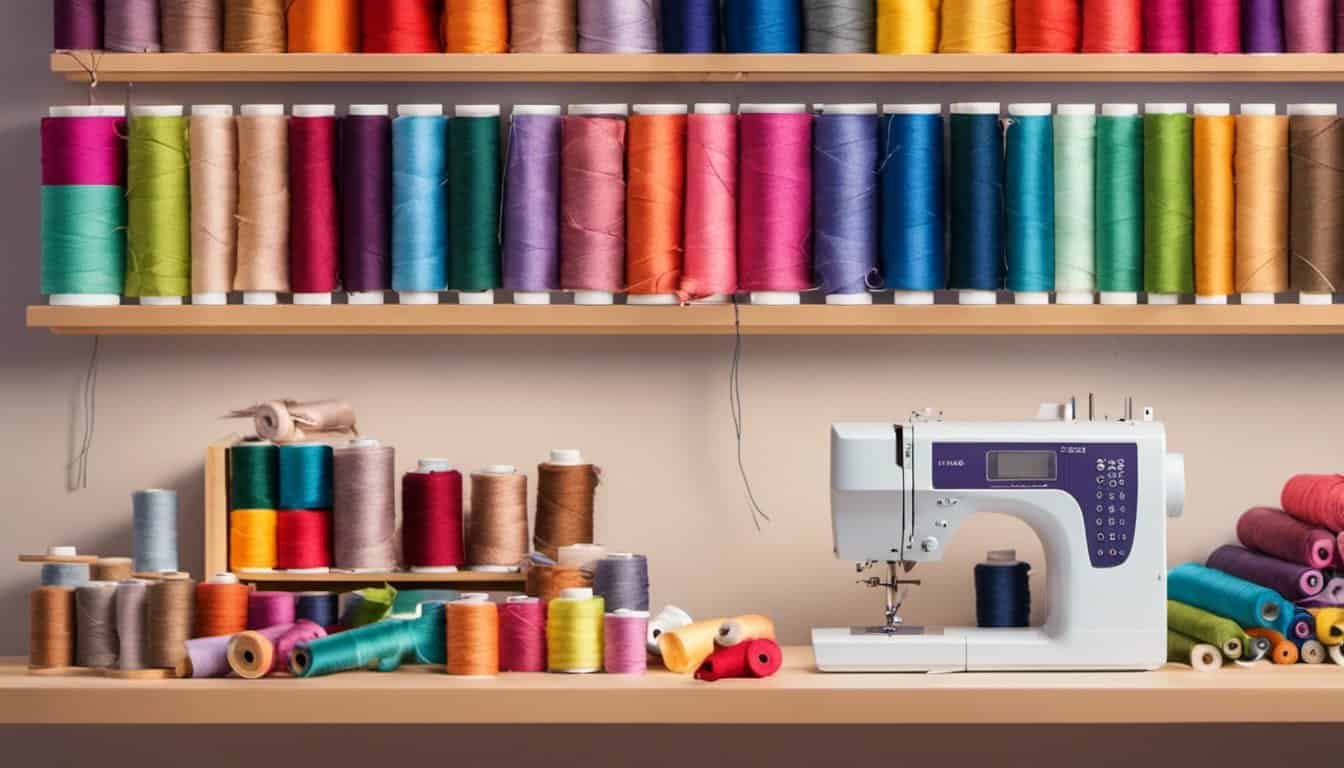
Embrace the legacy of these incredible inventions and let them inspire your next project. The evolution of sewing machines is a testament to creativity and progress, and your skills are part of that ongoing story.


