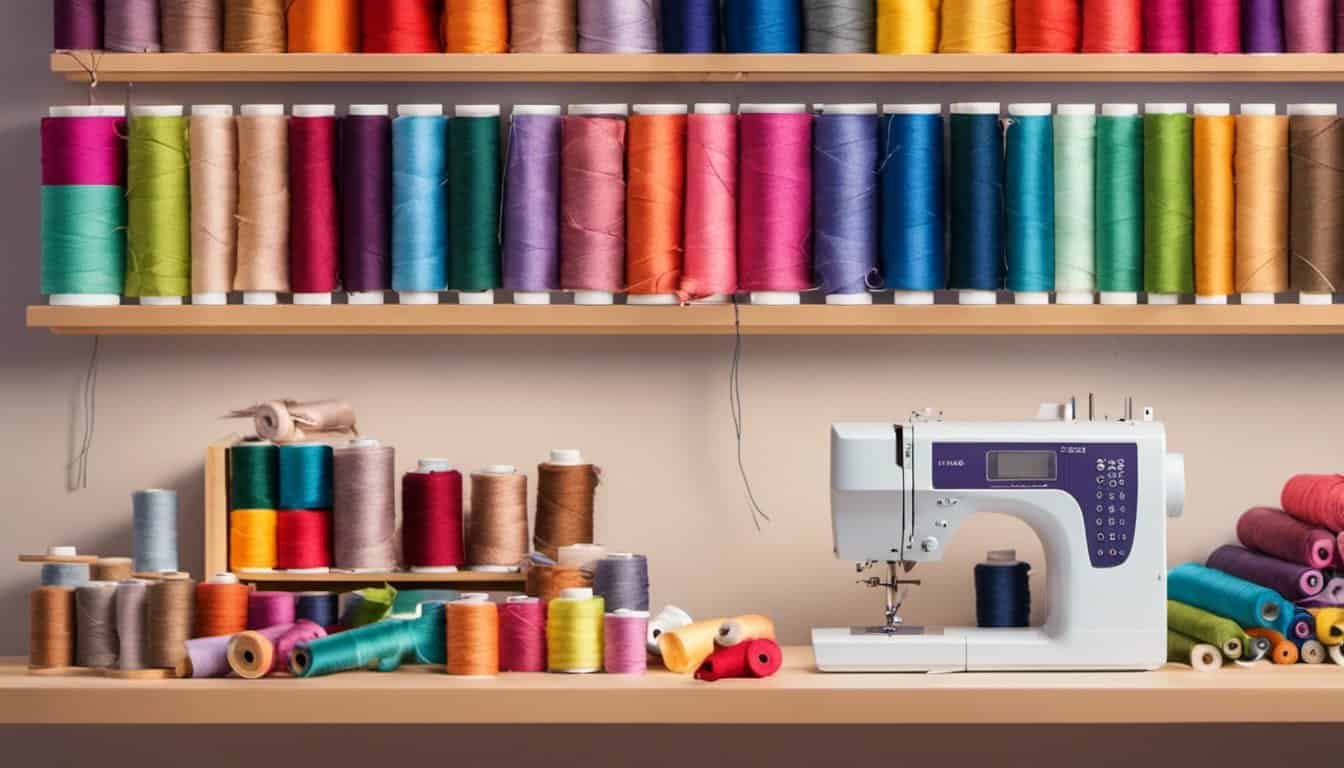
I’ve always loved the charm of handmade items, especially when they’re both fun and functional. If you’re a gamer like me, you know how important it is to keep dice organized and ready for action. That’s where a fabric dice bag comes in—it’s practical, personal, and surprisingly easy to make.
Materials You Will Need
Creating a fabric dice bag is simple but requires the right materials for a polished result. Here’s what you’ll use:
- Fabric: Choose two types of fabric, one for the exterior and one for the lining. Cotton, velvet, or canvas work well for outer layers, and softer materials like satin or cotton are ideal for the lining. You’ll need pieces measuring roughly 10 inches by 10 inches for each.
- Thread: Use a strong, durable thread matching or contrasting your fabric color, depending on your design preference.
- Cord: Select a drawstring cord or ribbon for the closure. A length of about 20–24 inches usually works for a standard-sized dice bag.
- Pins or Clips: Keep edges aligned while sewing. Clips are better for delicate or thick fabrics to avoid damage.
- Sewing Machine: Speed up the construction process by using a sewing machine with a universal needle, or switch to a sharp needle for thicker materials.
- Iron: Press seams and fabric pieces for neat, professional-looking results before and after sewing.
- Scissors or Rotary Cutter: Cut fabric pieces precisely. A rotary cutter ensures smoother edges for straight cuts.
- Measuring Tape or Ruler: Measure fabric dimensions accurately to ensure symmetry in the final product.
- Safety Pin: Thread the drawstring through the casing with ease using a safety pin.
Having these materials ensures you’re ready to start assembling a durable and stylish dice bag.
Preparing Your Fabric
Taking time to prep your fabric ensures the dice bag is both functional and visually appealing. Attention to detail at this stage simplifies the assembly process.
Choosing the Right Fabric
I select two complementary fabrics: one for the exterior and another for the lining. Cotton works well due to its durability and ease of handling, while satin or velvet adds a touch of luxury to the lining. Patterns and colors can match your style or gaming theme. Pre-wash and iron all fabrics to prevent shrinkage and wrinkles during sewing. Ensure the fabrics aren’t too thick to fit through the sewing machine easily.
Cutting the Fabric to Size
I use a rotary cutter or sharp scissors for clean edges. The typical dice bag size requires two rectangles measuring 10 inches by 7 inches for both the exterior and lining fabrics. Measure carefully using a ruler or cutting mat to maintain accuracy. Cut additional small rectangles if you’re adding a casing for the drawstring. Pin the fabric pieces together to keep them aligned before moving to the next steps.
Sewing the Dice Bag
Once the fabric pieces are prepped and pinned, assembling the dice bag involves straightforward sewing steps. With precision and care, it transforms from simple fabric into a functional storage solution.
Stitching the Main Body
I start by placing the two exterior fabric rectangles together, aligning the right sides inward. Using a 1/4-inch seam allowance, I sew along the two longer sides and one shorter side, leaving one edge open. Backstitching at the start and end strengthens the seams. Once stitched, I trim the corners slightly to reduce bulk, being cautious not to cut through the stitching. Then, I turn the piece right side out and press the seams flat.
For the lining, I repeat the same process but leave a 2-inch gap in the stitching along one longer side. This opening allows for turning the bag right side out later. The open edge remains unstitched for now.
Adding a Lining for Durability
With the exterior bag turned right side out and the lining inside out, I nest the exterior piece inside the lining. I align the open edges and pin them together, ensuring the seams match precisely. Then, I sew around the opening with a 1/4-inch seam allowance, creating a continuous edge. Once stitched, I pull the exterior bag through the opening left in the lining and push the lining inside the exterior piece.
To close the gap in the lining, I fold the raw edges inward and sew a small, straight stitch close to the edge. Afterward, I press the top edge of the bag flat for a clean look.
Creating a Drawstring Channel
At the top of the bag, I mark a line 3/4 inch from the edge and another line 1/2 inch below the first to create a channel for the drawstring. I stitch along both lines, forming a neat channel. If there’s a side seam, I carefully unpick a few stitches where the channel lines meet to create small openings for the drawstring.
Using a safety pin attached to one end of the cord, I thread the drawstring through the channel, making sure both ends emerge from the same opening. For a functional closure, I knot the drawstring ends together securely.
Adding Finishing Touches
Completing the dice bag involves refining its functionality and adding unique details. These steps ensure the bag stands out and meets practical needs.
Inserting the Drawstring
Threading the drawstring secures the bag’s closure and makes it easy to carry. I use a safety pin attached to one end of the drawstring for threading. After inserting it through the drawstring channel, I check to ensure the cord runs smoothly without twisting. For optimal hold, I knot both ends of the drawstring securely or add a decorative bead to keep them from slipping through the channel.
Personalizing Your Dice Bag
Customizing the dice bag adds character and makes it truly unique. Depending on the fabric, I might embroider initials, appliqué a gaming motif, or use fabric paint for a stylish design. Adding small charms or tassels to the drawstring can enhance its visual appeal. For durability, I double-check the embellishments, ensuring they withstand regular use and align with the bag’s overall theme.
Tips for Success
Sewing a durable and attractive dice bag involves attention to detail and a few strategic practices. I always ensure my workspace is well-organized to make the process smoother. Keeping tools, like scissors, measuring equipment, and pins, within reach helps maintain focus.
1. Prioritize Fabric Quality
Choose fabrics carefully to balance style and endurance. For exteriors, I lean toward sturdy cotton, canvas, or denim. For lining, smooth fabrics like satin or velvet create a polished look. High-quality materials enhance the bag’s longevity.
2. Press Seams Frequently
Press seams after every stitch for a neat outcome and accurate alignment. I use an iron set to a fabric-appropriate temperature and avoid skipping this step, as it significantly impacts the final appearance.
3. Use the Right Thread
« How to Make a DIY Bra: A Beginner’s Guide to Perfect Fit, Comfort, and Style
How to Make a Fabric Wall Hanging That Instantly Transforms Your Space (Step-by-Step Guide) »
Matching thread quality with fabric is crucial. I work with strong polyester thread for durability and consider matching or contrasting colors based on the design preference.
4. Secure Drawstring Ends
To prevent fraying, seal the drawstring ends with fabric glue, fray check, or gentle melting if it’s synthetic. I sometimes stitch decorative beads onto the ends for added flair.
5. Pre-plan Design Elements
Adding embellishments like embroidery or appliqué before assembly aligns designs precisely and simplifies stitching. I sketch layouts on paper to visualize placement before sewing, ensuring a cohesive final result.
Conclusion
Making a fabric dice bag is such a rewarding project that combines creativity, functionality, and a personal touch. Whether you’re a seasoned crafter or just starting out, it’s a fun way to create something both practical and unique. Plus, there’s nothing quite like the satisfaction of using something you made with your own hands.
With the right materials and a bit of patience, you’ll have a dice bag that’s not only durable but also reflects your style. So grab your fabrics, fire up your sewing machine, and enjoy the process of bringing your dice bag to life. Happy sewing!