Sewing a bias-cut binding might sound tricky, but I promise it’s easier than you think. I’ve always loved how this technique adds a sleek, professional finish to any project. Whether you’re working on a dress, a skirt, or even home décor, bias-cut binding can make a big difference.
With a bit of practice, you’ll see how the fabric gracefully curves around your edges, creating a smooth and polished look. I’ll walk you through each step, sharing tips and tricks I’ve learned along the way. By the end, you’ll feel confident enough to tackle bias-cut binding on your own and take your sewing projects to the next level.
Understanding Bias-Cut Binding
Bias-cut binding involves cutting fabric at a 45-degree angle to its weave, known as the bias. This orientation allows the binding to stretch and conform seamlessly around curves and corners. I typically use lightweight cotton, silk, or polyester fabrics for bias-cut binding because they offer the necessary flexibility and a smooth finish.
Key Advantages:
- Elasticity: Accommodates various fabric shapes without puckering.
- Professional Finish: Provides a clean and polished look to projects.
- Versatility: Suitable for garments, home décor, and accessories.
Common Applications:
- Apparel: Edging dresses, skirts, and scarves.
- Home Décor: Binding pillowcases, table linens, and curtains.
- Crafts: Finishing quilt edges and other sewn items.
Using bias-cut binding enhances the durability and aesthetic appeal of your sewing projects by ensuring edges lie flat and maintain their shape over time.
Materials Needed
Gather the necessary materials to sew a bias-cut binding efficiently.
Fabric Selection
Choose fabrics that offer flexibility and a smooth finish. Suitable options include:





- Lightweight cotton for versatility
- Silk for a polished appearance
- Polyester for durability
Tools Required
- Rotary cutter for precise cutting
- Measuring tape for accurate measurements
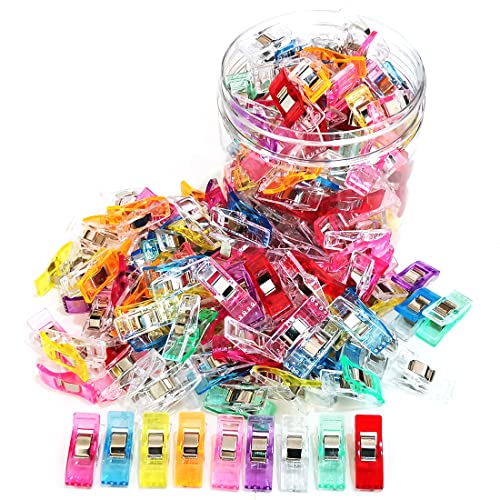
- Pins or fabric clips to secure pieces
- Sewing machine with a fine needle
- Iron and ironing board for pressing seams
Preparing the Fabric
Choosing the right fabric ensures a smooth bias-cut binding. I select lightweight cotton, silk, or polyester for their flexibility and polished appearance. Before cutting, I wash and iron the fabric to prevent shrinkage and remove wrinkles, allowing for precise measurements.
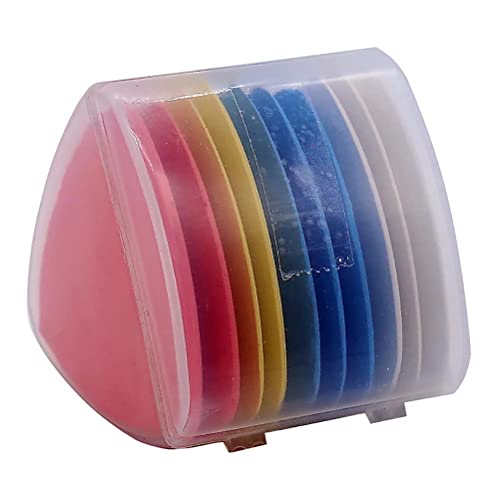
Cutting the fabric at a 45-degree angle to the weave provides the necessary stretch. I use a rotary cutter and a cutting mat to measure and cut strips accurately, typically 1 to 2 inches wide depending on the project. Marking the bias angle with fabric-safe pens helps maintain consistency, while organizing the strips neatly ensures they are ready for sewing.
Gathering all materials beforehand streamlines the preparation process. I ensure I have enough bias strips by calculating the total length needed based on the project’s dimensions. This careful preparation sets the foundation for a professional and durable binding.



Cutting the Binding
Accurately cutting the binding sets the foundation for a professional finish.
- Measure Precisely: Align the fabric at a 45-degree angle to its weave using a measuring tape.
- Select Tools: Utilize a rotary cutter and a self-healing cutting mat for clean, straight strips.
- Determine Width: Choose strip widths based on project needs, typically ranging from 1 to 2 inches.
- Cut Strips: Slice the fabric consistently, ensuring each strip maintains the same angle and width.
- Organize Strips: Stack and label the bias strips to prevent stretching and keep them ready for sewing.
| Strip Width (inches) | Ideal For |
|---|---|
| 1 | Lightweight garments, curtains |
| 1.5 | Shirts, lightweight quilts |
| 2 | Heavier fabrics, upholstery |
Maintaining consistent measurements and organization during cutting streamlines the binding process, allowing strips to conform smoothly around curves and edges.
Sewing the Binding
Sewing the binding ties everything together, transforming your project into a polished masterpiece. Here’s how I attach the binding and finish the seams for a seamless finish.
Attaching the Binding
- Align the Binding: I start by aligning the bias-cut binding with the project edge, ensuring the right sides face each other.
- Pin Securely: Next, I pin the binding in place using evenly spaced pins or fabric clips to prevent shifting.
- Sew the Binding: I sew along the raw edge, using a straight stitch and a consistent seam allowance, typically 1/4 inch.
- Press the Seam: After sewing, I press the seam allowance towards the binding to create a crisp edge.
- Fold and Pin: I fold the binding over the raw edge, matching the binding ends, and pin them securely.
- Topstitch for Stability: Finally, I topstitch close to the folded edge to secure the binding and give it a professional finish.
Finishing the Seams
- Trim Excess Fabric: I trim any excess fabric from the seam allowances, taking care not to cut too close to the stitching.
- Press the Seams: Using an iron, I press the seams open or to one side to reduce bulk and ensure a smooth finish.
- Secure the Ends: At the binding ends, I backstitch a few stitches to reinforce the seams and prevent unraveling.
- Final Pressing: I give the entire binding a final press, ensuring all seams lie flat and the binding wraps neatly around the project edge.
- Inspect the Finish: Lastly, I inspect the binding for any loose threads or uneven stitching, making adjustments as needed for a flawless appearance.
Tips and Techniques
Accurate Measurement and Cutting
I measure the project edge precisely to determine the binding length. Using a rotary cutter, I achieve straight, clean cuts at a 45-degree angle. Marking the fabric with fabric-safe pens helps me maintain consistency.
Managing Fabric Stretch
I handle the bias strips gently to prevent overstretching. Allowing the fabric to relax before attaching it to the project ensures a smooth application. I use pins or fabric clips to secure the binding without distorting the fabric.
Seam Finishing
I trim seam allowances to reduce bulk. Pressing seams open with an iron provides a sleek appearance. Topstitching the binding close to the project edge gives it a professional finish.
Securing Binding Ends
I overlap binding ends by 1–2 inches before backstitching. Reinforcing the overlap with additional stitches prevents unraveling. Pressing the final seam ensures a clean look.
Selecting the Right Needle and Thread
I use a fine needle suitable for lightweight fabrics. Choosing a thread that matches the binding fabric allows seamless integration. Testing on a scrap piece helps me ensure tension and stitch quality.
Consistent Stitch Length
I maintain a uniform stitch length, typically 2.5 mm, for even binding. Adjusting the sewing machine settings as needed when switching fabric types keeps the binding durable and attractive. Consistent stitches enhance both durability and appearance.
Conclusion
Sewing bias-cut binding has truly transformed the way I approach my projects. Seeing those smooth, professional edges come together is incredibly satisfying. I hope you feel as excited as I do to try out this technique in your own sewing adventures. Don’t be afraid to experiment with different fabrics and applications—it’s all about making your creations uniquely yours. Happy sewing!