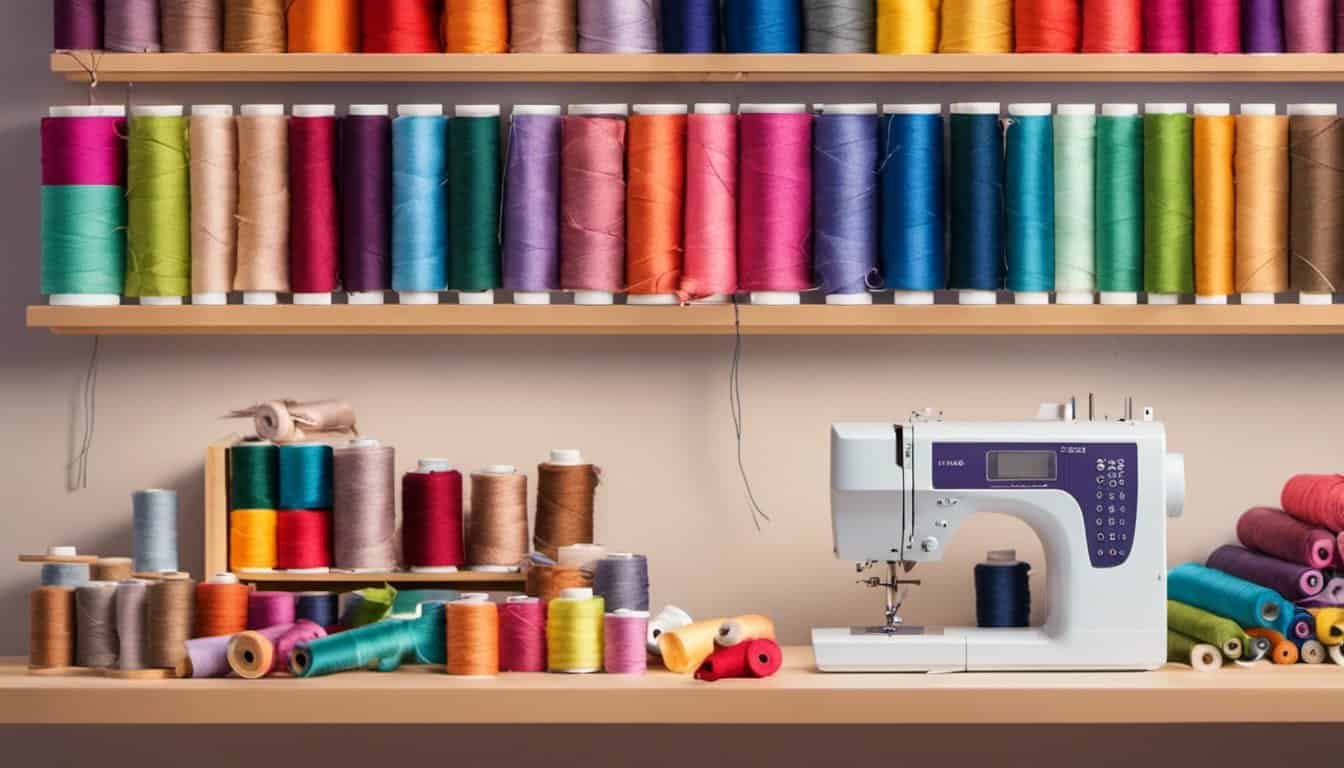
Ever struggled with seams that just don’t hold up? I’ve been there. That’s why mastering the bar tack is a game changer for any sewing project. Whether you’re reinforcing a pair of jeans or adding durability to a bag, a sturdy bar tack can make all the difference.
Understanding Bar Tacks
Bar tacks reinforce seams, enhancing the strength and durability of your sewing projects. They are essential for high-stress areas to prevent wear and tear.
Definition and Purpose
A bar tack is a series of closely stitched lines in a small, concentrated area. Its primary purpose is to strengthen seams and prevent unraveling. Bar tacks distribute stress evenly, ensuring that the reinforced area withstands frequent use.
Common Applications
- Jeans: Reinforcing pocket corners and belt loops.
- Bags: Strengthening strap attachments and handle points.
- T-Shirts: Securing necklines and sleeve attachments.
- Outdoor Gear: Enhancing stress points in backpacks and tents.
| Application | Purpose |
|---|---|
| Jeans | Reinforce pocket corners, belt loops |
| Bags | Strengthen straps, handle attachments |
| T-Shirts | Secure necklines, sleeve attachments |
| Outdoor Gear | Enhance stress points in backpacks, tents |
Materials and Tools Needed
To sew a strong bar tack, gather the following materials and tools:
- Sewing Machine: Ensure it can handle multiple layers and heavy fabrics like denim or canvas.
- Durable Thread: Use polyester or nylon thread for high strength and elasticity.
- Fabric: Choose the material you’re reinforcing, such as jeans, bags, or outdoor gear.
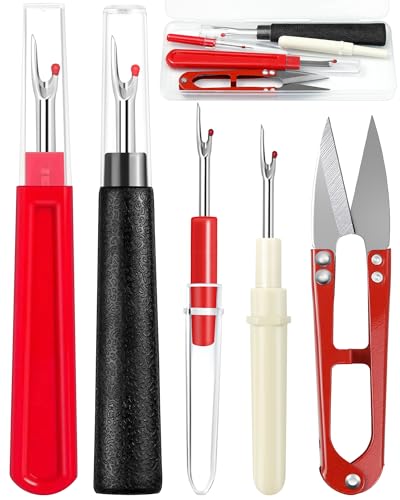
- Scissors: Sharp fabric scissors for precise cutting.
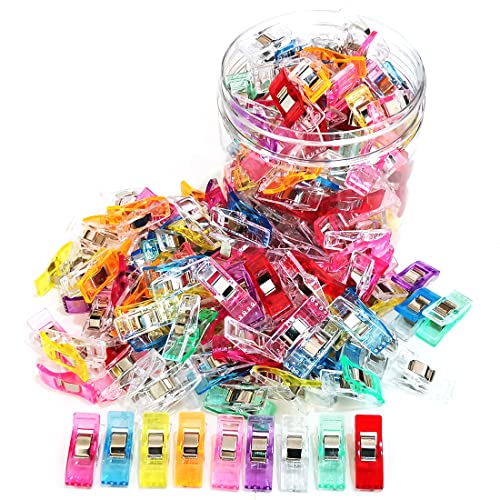
- Pins or Clips: Secure fabric layers in place without leaving marks.
- Ruler or Measuring Tape: Measure exact placement for consistent tacks.
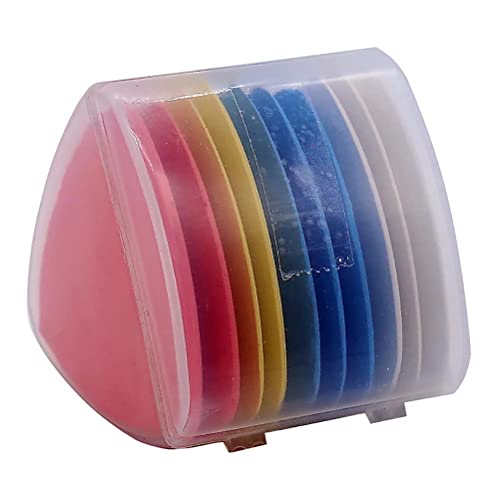
- Chalk or Fabric Marker: Mark stitching lines accurately on your fabric.
- Foot Pedal: Control your sewing speed smoothly, especially during tight stitching.
- Needles: Heavy-duty needles suitable for thick fabrics to prevent breakage.
- Thimble: Protect your fingers when pushing needles through tough materials.
Optional Accessories
- Magnifying Glass: For detailed work on small areas.
- Stabilizer: Provides extra support for delicate or stretchy fabrics.
- Thread Conditioner: Reduces tangling and breaks for smoother stitching.
Having these materials and tools on hand ensures a seamless bar tackle process, enhancing the durability of your sewing projects.
Preparing Your Fabric
Getting your fabric ready ensures a smooth bar tack process. I start by preparing the fabric through precise marking and machine setup.


Marking the Stitch Location
First, I identify where the bar tack is needed. Using a ruler, I measure the exact spot for reinforcement. Then, with chalk or a fabric marker, I mark a short horizontal line where the bar tack will be sewn. This ensures accuracy and consistency, preventing misplaced stitches during sewing.
Setting Up Your Sewing Machine
Next, I prepare my sewing machine for bar tacking. I select a durable polyester or nylon thread, ensuring it matches the fabric color for a seamless look. I adjust the stitch length to a shorter setting, typically around 2-3 stitches per inch, to create a strong, dense line. If available, I attach a bar tack foot to guide the stitching. Finally, I test the settings on a scrap piece of fabric to confirm the tension and stitch quality before proceeding to the main project.
Step-by-Step Guide to Sewing a Bar Tack
Sewing a bar tack strengthens your seams effectively. Follow these steps for a durable reinforcement.



Starting the Stitch
I begin by positioning the fabric layers where the bar tack is needed. Align the edges precisely and secure them with pins or clips. I set my sewing machine to a short stitch length, typically between 2 and 3. This ensures tight, close stitches. I backstitch a few times at the starting point to prevent the stitches from unraveling. Then, I guide the fabric through, keeping the tension even as I sew forward.
Securing the Ends
Once I complete the designated number of stitches, I backstitch again to lock the thread in place. I carefully lift the presser foot and remove the pins or clips without disturbing the stitching. I trim the excess thread close to the fabric, ensuring no loose ends remain. For added security, I might apply a small drop of fabric glue to the ends, especially on high-stress areas. This extra step guarantees the bar tack stays intact, providing reliable reinforcement.
Tips for Effective Reinforcement
Achieving strong reinforcement with bar tacks enhances the durability of your projects. Here are actionable tips to ensure effective bar tacks:
Choose the Right Thread
Selecting durable thread is crucial. Polyester and nylon threads offer excellent strength and resistance to breakage, making them ideal for high-stress areas like seams and attachment points.
Optimize Stitch Length and Density
Set your sewing machine to a short stitch length, typically between 1.5 to 2.5 millimeters. A higher stitch density ensures the bar tack can withstand substantial strain without unraveling.
Maintain Consistent Tension
Proper thread tension prevents puckering and ensures uniform stitches. Regularly test your tension on scrap fabric before applying it to your project to achieve consistent results.
Secure Thread Ends
Backstitch at the beginning and end of each bar tack. This locks the stitches in place, minimizing the risk of thread unraveling during use.
Use Stabilizers for Delicate Fabrics
For lightweight or stretchy fabrics, apply a stabilizer beneath the stitching area. This provides additional support, ensuring the bar tack remains flat and secure.
Employ Sharp Needles
Use sharp needles, such as universal or denim needles, to penetrate multiple fabric layers cleanly. This reduces skipped stitches and thread breakage, enhancing the bar tack’s effectiveness.
Reinforce High-Stress Areas
Identify and reinforce areas subjected to frequent stress, such as pocket corners, belt loops, and strap attachments. Applying multiple bar tacks in these regions distributes the load evenly, increasing overall durability.
Test on Scrap Fabric
« 10 Tricks to Sew a Scalloped Edge by Hand Perfectly Every Time
“You Won’t Believe How Adding Ease to Patterns: When and How Transforms Your Projects!” »
Before committing to your project, practice bar tacks on scrap fabric. This allows you to adjust settings and techniques, ensuring optimal performance on the final piece.
Maintain Your Sewing Machine
Regular maintenance, including cleaning and oiling, ensures your sewing machine operates smoothly. A well-maintained machine stitches accurately, contributing to the strength and reliability of your bar tacks.
Utilize Quality Materials
Invest in high-quality fabric and accessories. Superior materials work harmoniously with your bar tack technique, resulting in a professional and long-lasting finish.
Implementing these tips will significantly improve the effectiveness of your bar tacks, ensuring your sewing projects remain sturdy and reliable over time.
Conclusion
Mastering bar tacks has truly transformed my sewing projects by adding essential strength where it’s needed most. I love how a few simple stitches can make such a big difference in durability. It’s satisfying to see my seams stand up to everyday wear and tear thanks to this technique. I encourage you to give bar tacks a try on your next project and experience the enhanced quality yourself. With the right tools and a bit of practice you’ll be reinforcing your work like a seasoned sewist. Happy sewing and enjoy the stronger longer-lasting results!